The Algerian government has set a target to cultivate 2090 hectares of dry legumes in Setif province during the 2026-2027 season. This includes 1380 hectares for chickpeas, 587 hectares for lentils, 95 hectares for broad beans, and 28 hectares for lupins. The initiative aims to diversify agricultural production and expand the areas dedicated to these materials, which are in high demand and have seen significant price increases in global markets.
Setif province was a pioneer in cultivating these types of legumes in the 1980s and early 1990s, achieving promising results that helped Algeria achieve self-sufficiency, particularly in chickpeas. At its peak, the province had around 4500 hectares of chickpea cultivation across areas such as Bir Errach and Ain Abessa. However, due to climatic factors, the dedicated area for dry legumes decreased by over 60%.
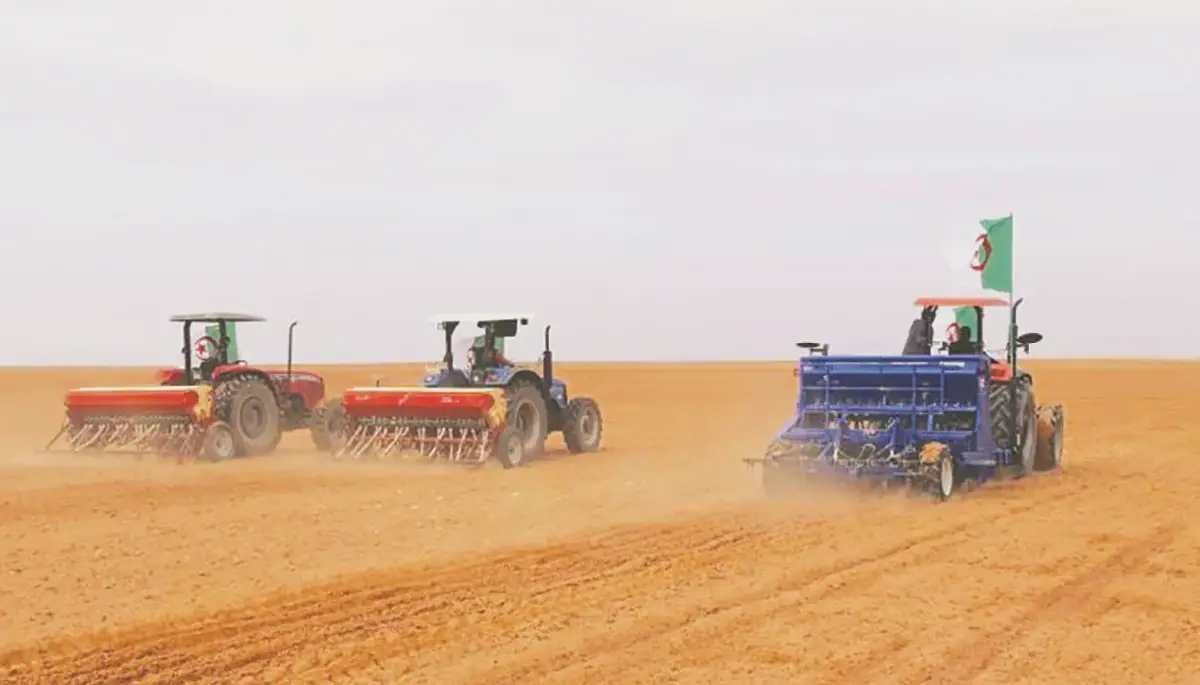
The 2026-2027 agricultural season's plowing and sowing campaign began earlier this week, targeting 150,000 hectares. This includes 100,000 hectares for durum wheat, 15,000 hectares for soft wheat, and 31,000 hectares for barley, in addition to 3000 hectares for oats. These crops account for the largest share of the province's planned program.
The Setif province's agricultural services directorate reported that 4600 tractors and 10,000 units of various equipment, including sowing machines, plows, and fertilization machines, have been mobilized to ensure the smooth implementation of the campaign. A committee has been established to monitor the process, and a technical evaluation cell will be set up to address any challenges that may arise.
The initiative aims to leverage Setif's potential as a major producer of strategic grains like wheat and barley. The region has consistently achieved significant results, often ranking top nationally in the production of these crops. The current campaign's success will depend on factors such as weather conditions and the availability of necessary resources.
The Algerian government's efforts to boost agricultural production come as the country seeks to reduce its reliance on imports and achieve food security. The Setif province's experience in cultivating dry legumes and grains will be crucial in achieving these goals.
The 2026-2027 season's agricultural campaign in Setif province is expected to build on the successes of the previous season, which saw significant yields despite challenges. The government's commitment to supporting farmers and providing necessary resources will be essential in ensuring a successful harvest.
Key points
- Algeria targets 2090 hectares for dry legume cultivation in Setif province.
- The initiative aims to diversify agricultural production and meet growing demand for legumes.
- Setif province has a history of successful legume and grain production, with potential for further growth.