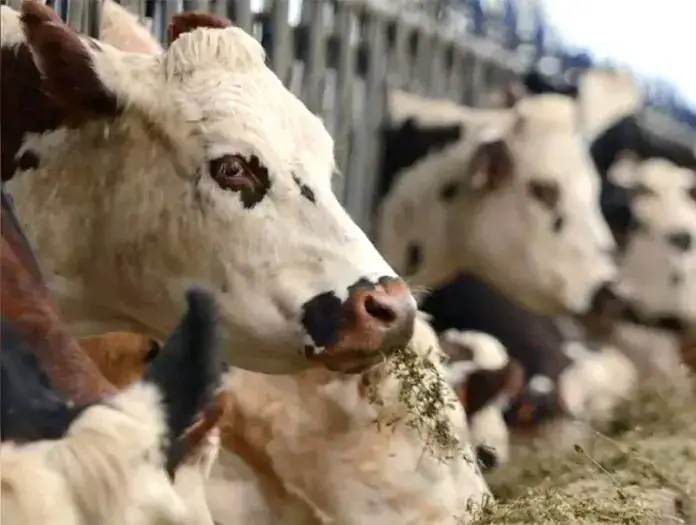
The Algerian government has temporarily suspended the importation of live cattle for breeding and fattening purposes, amid concerns over the outbreak of foot-and-mouth disease in certain regions of the country. According to the General Directorate of Veterinary Services (DGSV), this measure was taken for health reasons and is effective until further notice. The decision was made to prevent the spread of the disease.
The suspension, announced on October 22, applies exclusively to cattle intended for breeding and fattening, the DGSV clarified in a note sent to concerned economic operators on Wednesday. This means that live cattle destined for slaughter are exempt from the suspension and can still be imported. The DGSV, under the Ministry of Agriculture, Rural Development, and Fisheries, aims to contain the outbreak and prevent further spread of the disease.
Foot-and-mouth disease has been reported in certain regions of eastern Algeria, prompting the authorities to take preventive measures. Locally, measures have been taken, including the closure of livestock markets in certain wilayas to limit the risks of disease transmission. The DGSV has confirmed that importations of different types of meat remain authorized, providing some relief to economic operators.
The initial decision to suspend cattle imports was made due to health concerns, and all valid sanitary import derogations have been canceled. However, the DGSV has now made it clear that importations of live cattle for slaughter can continue, allowing operators to pursue their activities without interruption. This exemption aims to ensure a stable supply of meat to the market.
The DGSV's move is aimed at protecting the country's livestock and preventing the spread of foot-and-mouth disease. The disease can have significant economic impacts on the livestock sector, and the authorities are taking steps to mitigate these risks. By exempting cattle for slaughter, the government aims to balance health concerns with the needs of the meat industry.
Algeria's livestock sector is an important part of the country's economy, and the government is taking steps to protect it. The suspension of live cattle imports for breeding and fattening purposes is a precautionary measure aimed at containing the outbreak. The authorities will continue to monitor the situation and adjust their measures as necessary to prevent the spread of the disease.
The situation is being closely monitored, and further updates are expected as more information becomes available. The Algerian government is working to contain the outbreak and prevent further spread of foot-and-mouth disease. The measures taken so far aim to protect the country's livestock and ensure a stable supply of meat to the market.
Key points
- The suspension of live cattle imports for breeding and fattening purposes is a precautionary measure aimed at containing the outbreak of foot-and-mouth disease in Algeria.