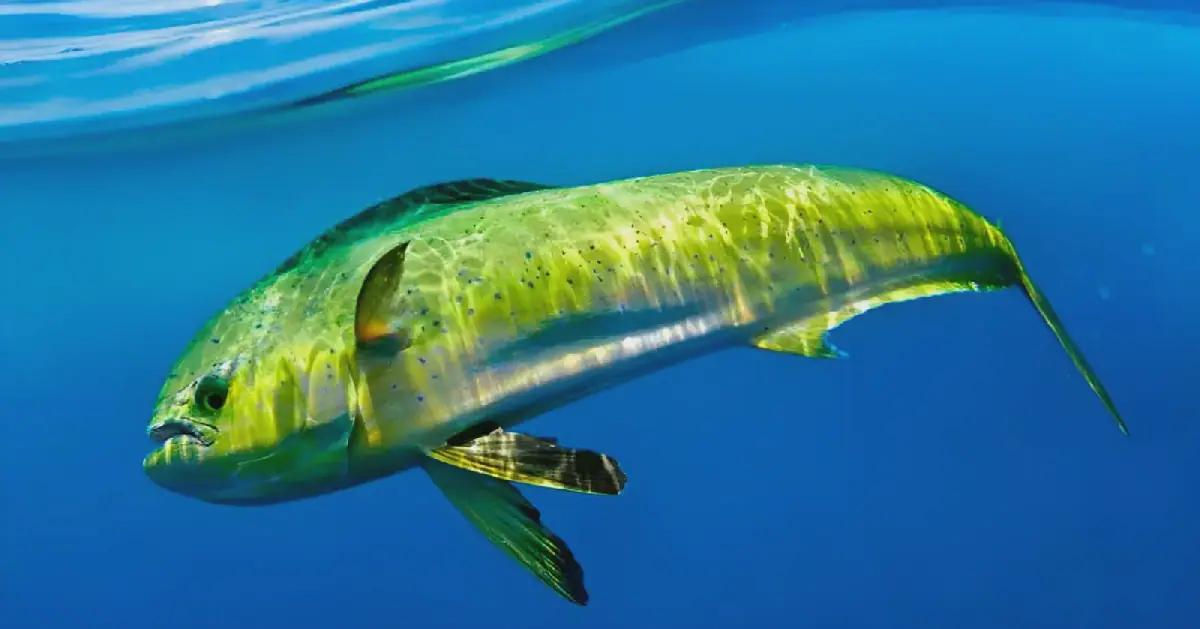
The Commission General for Fisheries in the Mediterranean (CGPM), affiliated with the FAO, has granted Algeria a quota for catching dolphin fish, also known as coryphène, starting 2027. This development comes after the 49th annual session of the CGPM in Rome, where Algeria was authorized to catch the species. The quota is a first for the country's fishing fleet, marking a significant expansion of its fishing activities.
The decision to allocate a quota to Algeria was based on scientific evaluations that confirmed the dolphin fish stock can be exploited without threatening its renewal. This favorable biological situation led to the CGPM's decision to extend the quota to Algeria, recognizing the country's efforts to strengthen its credibility in Mediterranean fisheries governance. Algeria had previously reinforced its rules for bluefin tuna fishing with electronic tracking and 3D cameras.
Cherif Telli, first vice-president of the Algerian Chamber of Fishing and Aquaculture, expressed satisfaction with the new quota, stating that it will allow Algerian fishermen to diversify their catches, increase their income, and improve their socio-economic situation while maintaining the sustainability of Mediterranean fish stocks.
The new quota is expected to benefit small-scale coastal fishermen, who will be able to target a highly valued species that migrates through Algerian waters. The dolphin fish is in high demand, providing an additional source of income during its migration months. Fishermen are likely to use artisanal fish aggregation devices to catch the species selectively.
To ensure the sustainability of dolphin fish stocks, the CGPM has established strict rules for the fishery. A biological rest period will be in place from January 1 to August 14, during which no catches will be allowed. Additionally, minimum catch sizes have been set at 35 centimeters to protect juveniles, and fishermen will be required to declare their catches and follow volume tracking at ports.
The CGPM's decision also includes annual limits on fishing effort and catches to prevent overfishing. These measures aim to balance the economic benefits of the fishery with the need to conserve dolphin fish stocks. Algeria's fishing industry is expected to benefit from the quota while contributing to the sustainable management of Mediterranean fisheries.
The allocation of a dolphin fish quota to Algeria marks a significant step in the country's involvement in regional fisheries management. With this new opportunity, Algerian fishermen will be able to expand their activities while adhering to international conservation standards. The country's fishing sector is poised to benefit from this development, which could have positive impacts on the local economy and food security.
Key points
- Algeria has been granted an inaugural quota for catching dolphin fish, effective 2027.
- The quota was allocated based on scientific evaluations that confirmed the sustainability of the dolphin fish stock.
- The fishery will be subject to strict regulations, including a biological rest period, minimum catch sizes, and annual limits on fishing effort and catches.