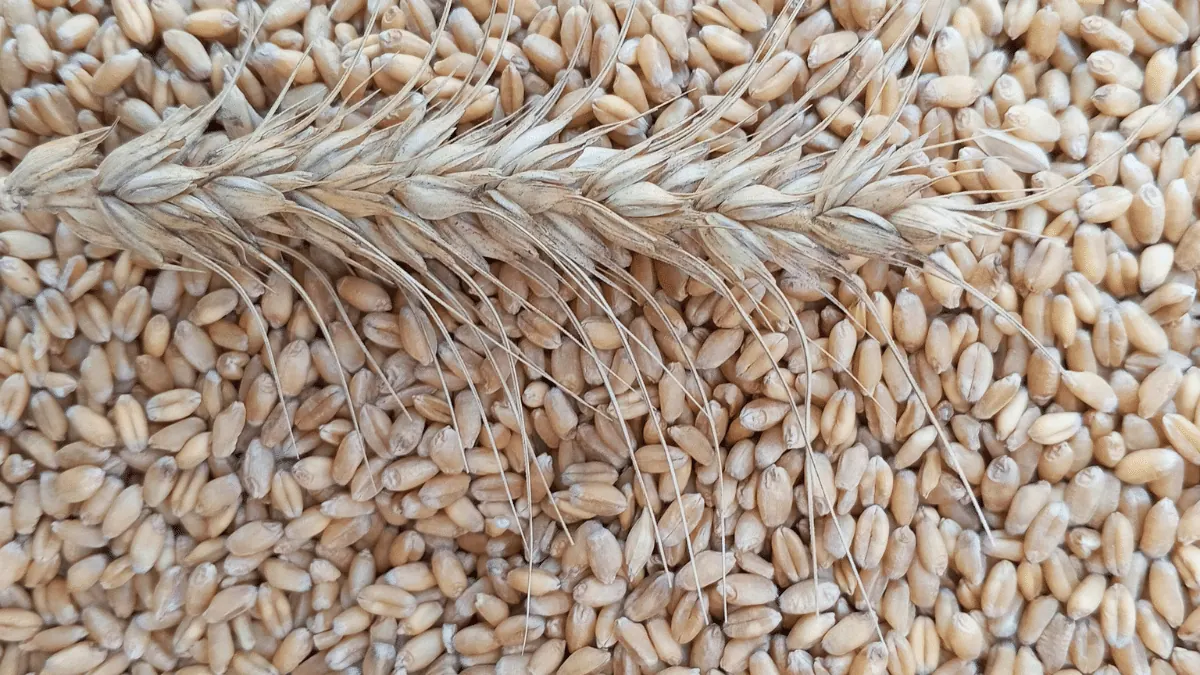
The ongoing conflict between Ukraine and Russia has significantly affected global food security, particularly in the Black Sea region, a crucial route for cereal exports. As a major importer of soft wheat, Algeria's supply chain is being closely monitored. The country's reliance on imports from Russia and Ukraine, which account for nearly a third of global wheat exports, raises concerns about potential shortages. Algeria has already imported over 4 million tons of wheat this year.
The escalation of tensions and attacks on ports, terminals, and ships in the Black Sea have drastically reduced cereal shipments. Alternative routes, such as road and rail transport, are insufficient and costly. Economists warn that the combined increase in energy and cereal prices may lead to record inflation. The situation is expected to worsen as the global market focuses on rising raw material costs, particularly energy.
Experts stress that the impact of these attacks on food security is being underestimated. Caitlin Welch, a food security expert at the Center for Strategic and International Studies in Washington, likens the Black Sea's importance to global wheat trade to the Strait of Hormuz's significance in the global oil trade. She warns that the world is not fully considering the risks associated with food supply disruptions.
Wheat prices have already reached a three-year high, ranging from $300 to $330 per ton, and are expected to rise further due to reduced Russian and Ukrainian exports. The SovEcon institute forecasts that combined wheat exports from Russia and Ukraine will be approximately half of last year's levels during the July-September agricultural campaign. Major importers are exploring alternative markets, but these cannot replace the quantities previously sourced from Ukraine and Russia.
The US Department of Agriculture (USDA) has revised its forecast for Algeria's wheat imports downward from 8.5 to 8.3 million tons for the 2026-2027 season, citing increased stock levels. Algeria's diversified import sources, centralized import system, and generalized subsidies provide a degree of protection against potential shocks. The country's ongoing agricultural projects in the Sahara region are also seen as strategic for food security.
Algeria has taken proactive steps to secure its wheat supply, increasing purchases on global markets earlier this year. The country's stock levels and strategic measures are expected to mitigate the impact of the Black Sea crisis. However, vulnerable countries with high cereal consumption and dependence on external supplies, such as Egypt, Indonesia, and Bangladesh, may face greater challenges.
The Black Sea crisis highlights the importance of Algeria's agricultural projects in the Sahara region for the country's food security. The situation underscores the need for diversified import sources and strategic planning to address potential disruptions in global food supplies. As the crisis continues, Algeria's preparedness and adaptability will be crucial in maintaining its wheat supply.
Key points
- Algeria's diversified import sources and strategic measures may help mitigate the impact of the Black Sea crisis on its wheat supply.