Algeria's vocational training and education sector is set to undergo a significant transformation, with over 400,000 pedagogical spots available for the October 2026 cycle. The sector has introduced 23 new specialties in various fields, including digitalization, renewable energies, agriculture, public works, environment, and industry. This move aims to meet the needs of the national job market and align with the country's economic development goals.
The Ministry of Vocational Training and Education is implementing a comprehensive national vision to enhance the sector and support Algeria's economic growth. The ministry organized national workshops on September 8-9 to prepare for the upcoming training cycle. These workshops, led by Minister Nesma Arhab, focused on accelerating the implementation of a new approach that links training offers to local employment needs and the actual requirements of the national economy.
The workshops aimed to strengthen coordination and follow up on the needs related to structural projects and economic operators who have initiated investments across various sectors in Algeria. The goal is to provide training that meets the needs of the labor market and supports the country's economic development. The sector's transformation is part of President Abdelmadjid Tebboune's strategic directives to reform and modernize the training system.
According to Islam Almai, a civil society activist, the vocational training sector has become a key component of Algeria's national economic strategy. Almai emphasized that the sector is no longer just a classical training structure, but an essential tool for absorbing unemployment, qualifying cadres, and supporting national institutions with qualified skills. He noted that the new training map for October 2026 reflects this vision, with strategic specialties that align with major state projects.
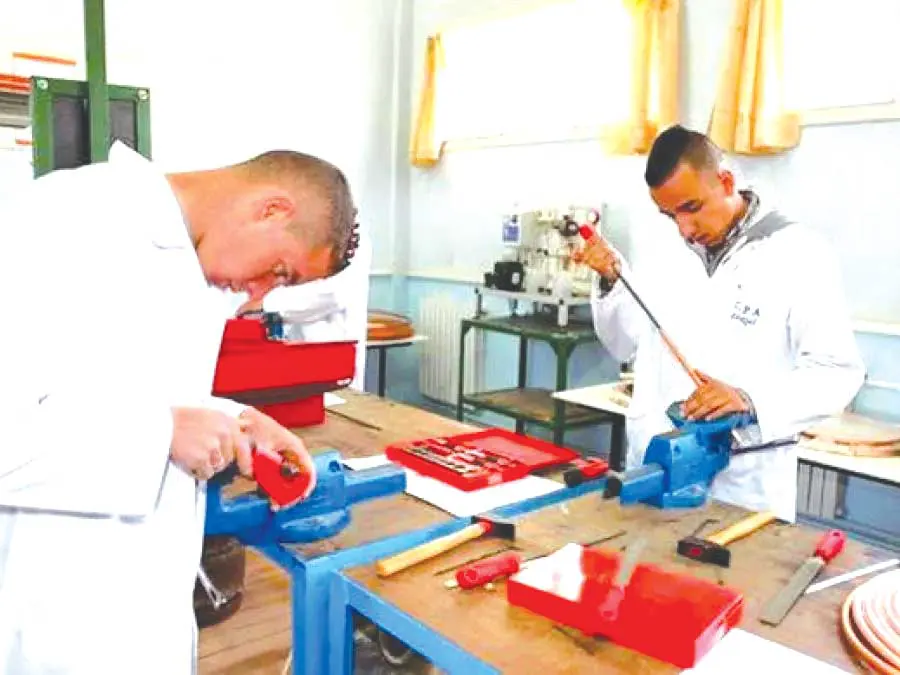
The new training specialties include digitalization, renewable energies, agriculture, and industry, as well as future-oriented fields like artificial intelligence, cybersecurity, and automotive mechanics. Almai highlighted that the sector has diversified its training offers to cater to all segments of society, including women, people in detention, and those benefiting from unemployment grants. The sector has also introduced electronic registration, making it easier for thousands of young people to access training.
The vocational training sector in Algeria has undergone significant changes in recent years, aiming to make it a primary source of qualified labor for the job market. The sector's transformation is part of a broader effort to modernize the training system and align it with technological and economic developments in the country. The goal is to produce trainees with high skills in digital technologies, artificial intelligence, and modern industries.
The Algerian government has emphasized the importance of vocational training in driving economic growth and reducing unemployment. The sector's overhaul is expected to have a positive impact on the country's economy and provide young people with the skills needed to compete in the job market. With over 400,000 training spots available, the sector is poised to play a critical role in Algeria's economic development.
Key points
- Algeria's vocational training sector to offer over 400,000 spots for October 2026.
- The sector has introduced 23 new specialties in various fields, including digitalization and renewable energies.
- The transformation aims to support Algeria's economic growth and provide young people with the skills needed to compete in the job market.