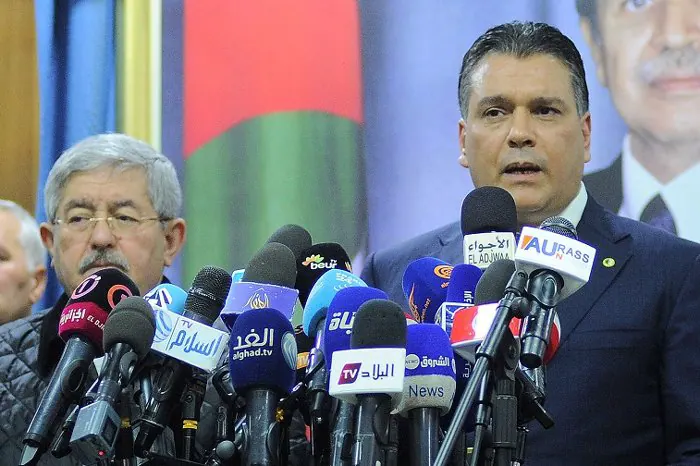
Algeria's two main ruling parties, the National Liberation Front (FLN) and the National Democratic Rally (RND), are experiencing their worst crisis in over two decades. The parties have been in power for 23 years, but their popularity has plummeted amid allegations of corruption and authoritarianism. Mass protests have erupted across the country, with demonstrators calling for the departure of the ruling elite. The protests have resulted in the resignation of several high-ranking officials and have weakened the parties' grip on power.
The FLN and RND have been criticized for their handling of the country's economy and politics. The parties have been accused of cronyism and corruption, with many Algerians feeling that they have not benefited from the country's oil wealth. The protests have been sparked by a range of issues, including unemployment, inflation, and corruption. The government's response to the protests has been criticized as inadequate, with many Algerians feeling that the authorities are not taking their concerns seriously.
The FLN's internal struggles have intensified, with several high-ranking officials calling for the resignation of party leader Mouad Bouchareb. Bouchareb has faced criticism for his handling of the party and his response to the protests. Abdelkrim Abada, a prominent figure within the party, quit and criticized the party's leadership and President Abdelaziz Bouteflika. Abada's departure has been seen as a significant blow to the party, and has highlighted the deep divisions within the FLN.
The RND is also facing internal challenges, with several deputies and municipal elected officials quitting the party. The party's secretary general, Ahmed Ouyahia, has been accused of corruption and has faced calls to resign. Ouyahia has denied any wrongdoing and has stated that he will continue to lead the party. However, the party's popularity has declined significantly, and it is unclear whether Ouyahia can restore the party's fortunes.
The National Coordination of Free and Independent Trade Unions of Algeria (ONM) has called for the dissolution of the FLN, which has further weakened the party's position. The ONM's call has been seen as a significant blow to the party, and has highlighted the deep divisions within Algerian society. The FLN and RND have been accused of being out of touch with the Algerian people, and the ONM's call has been seen as a reflection of this.
The Algerian government has faced criticism for its handling of the protests, with many Algerians feeling that the authorities are not taking their concerns seriously. The government has announced several reforms, but many Algerians remain skeptical about the government's commitment to change. The protests have resulted in a significant shift in the balance of power in Algeria, with the FLN and RND facing significant challenges to their authority.
The future of the FLN and RND remains uncertain, with many Algerians calling for a fundamental change in the country's politics. The parties have dominated Algerian politics for over two decades, but their popularity has declined significantly in recent months. It is unclear whether the parties can survive the current crisis, or whether they will be replaced by new political forces.
Key points
- The FLN and RND are facing significant challenges to their authority amid mass protests and internal strife.
- The parties have been accused of corruption and authoritarianism, and have faced criticism for their handling of the economy and politics.
- The future of the FLN and RND remains uncertain, with many Algerians calling for a fundamental change in the country's politics.