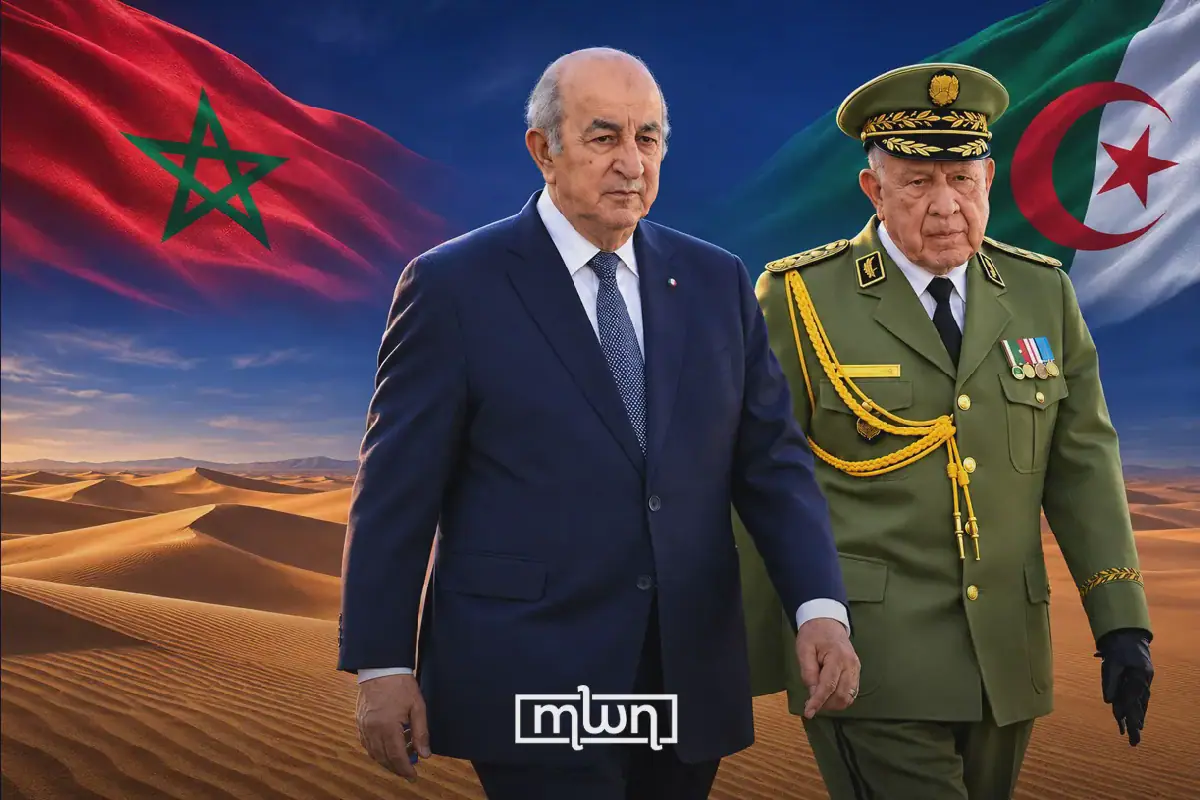
The Western Sahara dispute has been a longstanding issue on the international agenda for over five decades. Despite numerous United Nations initiatives, diplomatic negotiations, and international mediation efforts, a definitive political settlement has yet to be reached. The conflict has its roots in the mid-1970s, with Algeria providing significant support to the Polisario Front, including political, diplomatic, and material assistance. Algeria has also hosted refugee camps near Tindouf and actively participated in international discussions over the territory's future.
Algeria's role in the conflict has been substantial, extending beyond its formal classification as a neighboring state. The country has influenced the United Nations, African institutions, and diplomatic initiatives, shaping the political and strategic environment of the dispute. This has led to questions about whether the international community has adequately reconciled Algeria's political influence with the responsibilities that come with such involvement. The gap between Algeria's institutional status and political responsibility is a missing dimension in the international management of the Sahara dispute.
The United Nations has operated within an institutional framework that distinguishes Morocco and the Polisario Front as principal parties, while identifying Algeria and Mauritania as neighboring states whose cooperation is necessary for a settlement. However, this arrangement does not fully account for Algeria's involvement, which has included diplomatic support for the Polisario Front, hosting refugee camps, and providing political and material assistance. Algeria's influence has been reflected in diplomatic correspondence, international documentation, and contemporary assessments.
Historical records provide evidence of Algeria's early and sustained engagement in the conflict. In 1976, Algeria's Foreign Minister challenged the Madrid arrangements, considering them an attempt to consolidate an annexationist policy. This was not a neutral observation, but an explicit diplomatic intervention concerning the substance and international legitimacy of the arrangements governing the territory. US intelligence assessments and diplomatic records also shed light on the extent of Algeria's involvement, describing the Polisario Front as a significant political and military force with strong Algerian backing.
Algeria's role has been understood by external observers to extend beyond ordinary diplomatic support. A declassified US intelligence assessment dated December 16, 1977, referred to logistical assistance and noted that Algerian advisers might have played an important role in military operations. This assessment illustrates how Algeria's role was perceived by contemporary external observers, highlighting the need to re-examine the country's responsibilities in the conflict.
The question of Algeria's responsibility was already present in diplomatic discussions at the outset of the conflict. In October 1975, President Houari Boumédiène reportedly argued that responsibility for the future of the Sahara question rested with the United Nations and the United States. The American response was that responsibility rested with those directly involved, explicitly including Algeria, Morocco, Spain, and Mauritania. This exchange demonstrates that Algeria's role in the conflict has been a subject of discussion among international actors.
The international community must address the gap between Algeria's institutional status and political responsibility to find a durable solution to the conflict. The humanitarian predicament of the Sahrawi refugees continues to resist a durable solution, and Algeria's involvement must be re-examined in the context of its responsibilities as a host state and diplomatic supporter of the Polisario Front. The conflict's persistence highlights the need for renewed attention to Algeria's role and its implications for the international management of the Sahara dispute.
Key points
- Algeria's involvement in the Western Sahara conflict extends beyond its formal classification as a neighboring state.
- The international community must address the gap between Algeria's institutional status and political responsibility to find a durable solution to the conflict.
- Algeria's role in the conflict has been substantial, influencing the United Nations, African institutions, and diplomatic initiatives.