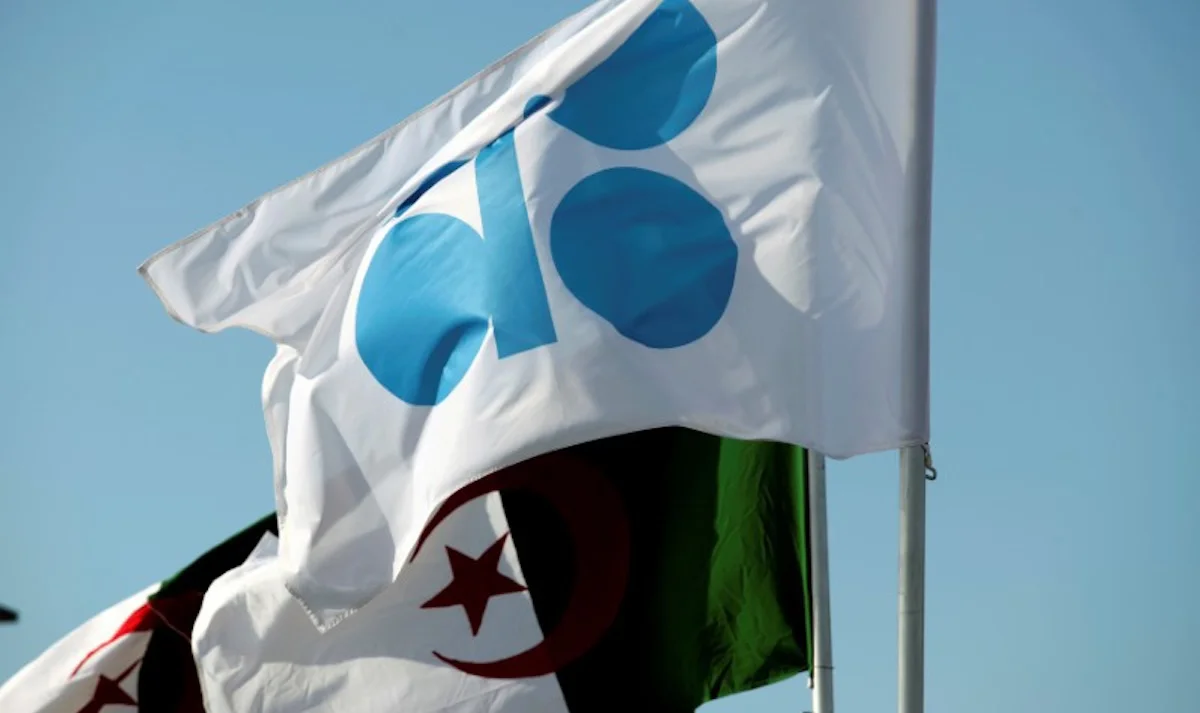
The OPEC agreement adopted on September 28, 2016, in Algeria, remains a pivotal event in the global oil market's journey towards rebalancing and stability. This accord has fostered a sustainable cooperation between oil-producing countries, enabling regular dialogue and coordinated actions to adapt to market changes. By bringing together OPEC and non-OPEC producers, led by Russia, the deal has reshaped the international oil cooperation landscape. The agreement allowed for a collective production adjustment, aiming to accelerate inventory absorption and restore balance between supply and demand.
The Algerian agreement was a significant success for Algerian oil diplomacy, achieved amidst deep divisions among major producers and market instability. Its importance lies in the diplomatic efforts that re-established high-level dialogue and created a conducive political environment for joint action. This dynamic shifted the focus from an OPEC-centric approach to a shared responsibility among major global producers. The agreement led to the establishment of key institutional mechanisms, including the Joint Ministerial Monitoring Committee (JMMC) and the Joint Technical Committee (JTC), with Algeria playing an active role.
These committees have developed an unprecedented monitoring system to track commitment implementation and regularly assess market developments. Algeria has remained a key player in the OPEC+ alliance, contributing to the agreement's implementation and playing a significant role in coordinating production adjustments. As part of the group of seven countries with voluntary adjustment capacities, Algeria, along with Saudi Arabia, Russia, Iraq, Kuwait, Kazakhstan, and Oman, continues to navigate market fluctuations.
In the face of the COVID-19 pandemic, which caused a historic demand collapse and exceptional storage capacity tensions in 2020, OPEC+ demonstrated its importance and critical role. The alliance implemented unprecedented adjustments, showcasing the effectiveness of the cooperation mechanism and the regular assessment of supply and demand. Algeria's continued engagement in OPEC+ reflects its commitment to enhancing cooperation and addressing market challenges.
Over the past decade, Algeria has maintained its commitment to dialogue within OPEC and with its allies, favoring a regular market assessment approach before making collective decisions. In an international environment marked by uncertainty and ongoing geopolitical factors affecting energy flows, Algeria has consistently advocated for cooperation and collective action to safeguard the interests of producing and consuming countries.
Algeria's participation in the group of seven countries with voluntary production adjustment capacities underscores its proactive role in shaping the global oil market. As these countries continue to coordinate production adjustments, they embody a gradual approach based on regular market assessments. This strategy allows for adaptations to evolving market conditions while ensuring a balanced approach.
As the OPEC deal celebrates its 10th anniversary, Algeria's sustained efforts to promote cooperation and stability in the global oil market are evident. The country's continued engagement in OPEC+ and its commitment to a collaborative approach reflect its dedication to addressing market challenges and ensuring a stable energy future.
Key points
- Algeria's OPEC deal has transformed global oil market cooperation, enabling sustainable collaboration between producers.
- The agreement has fostered a shared responsibility among major producers, leading to a more stable market.
- Algeria continues to play a significant role in OPEC+, promoting cooperation and addressing market challenges.