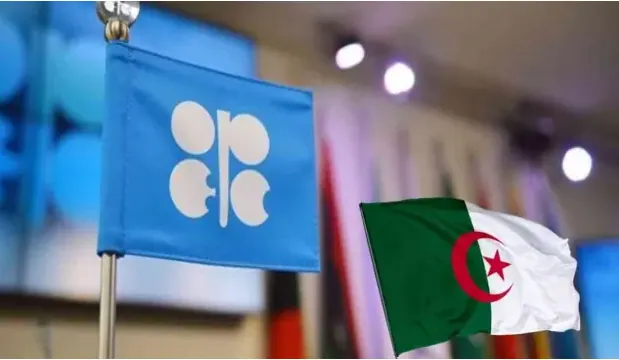
The OPEC agreement adopted in Algeria has become a pivotal event in the quest for balance and stability in the global oil market. It signifies a crucial turning point in efforts to ensure effective oil governance worldwide. This agreement has laid the groundwork for a sustainable transformation in cooperation among producers through regular dialogue, enabling the coordination of collective actions and adaptation to changes in the global oil market.
By paving the way for unprecedented and organized cooperation between OPEC and major non-OPEC producers, particularly Russia, the Algerian agreement has substantially altered the international oil cooperation landscape. The agreement, which brought together 24 countries, aims to adjust overall production to accelerate the absorption of excess stocks and enhance balance between supply and demand.
The Algerian agreement represents a significant success for Algerian oil diplomacy, achieved in a context marked by deep divisions among major producers and market instability. Its importance also lies in the diplomatic process that allowed for the re-establishment of high-level dialogue and the creation of political conditions for joint action.
The agreement led to the establishment of fundamental institutional mechanisms, including the Joint Ministerial Monitoring Committee (JMMC) and the Joint Technical Committee (JTC), with Algeria playing an active role. These strategic committees have enabled the development of an unprecedented monitoring system aimed at tracking commitment implementation and regular market evaluations.
The alliance has proven its importance and critical role on several occasions, particularly during the COVID-19 global health crisis in 2020, which was characterized by a historic demand collapse and exceptional storage capacity tensions. In response to this major shock, OPEC+ implemented unprecedented adjustments, demonstrating the effectiveness of the cooperation mechanism and the scope of regular supply and demand assessments.
Ten years after the agreement, Algeria remains a key player in promoting and implementing the agreement, playing a significant role in coordinating production adjustments through its participation in the group of seven countries with voluntary adjustment capacities, alongside Saudi Arabia, Russia, Iraq, Kuwait, Kazakhstan, and Oman.
Algeria has maintained its commitment to dialogue between OPEC and its allies, favoring a regular market assessment approach before making any collective decision. In an international environment marked by uncertainty and ongoing geopolitical factors that can impact energy flows, Algeria has consistently advocated for cooperation and joint action to protect the interests of producing and consuming countries.
Key points
- The Algerian agreement has fostered cooperation between OPEC and non-OPEC producers, leading to a more stable global oil market.
- Algeria plays an active role in the Joint Ministerial Monitoring Committee and the Joint Technical Committee, ensuring effective implementation of the agreement.
- The agreement has enabled the development of an unprecedented monitoring system, allowing for regular market evaluations and adjustments.