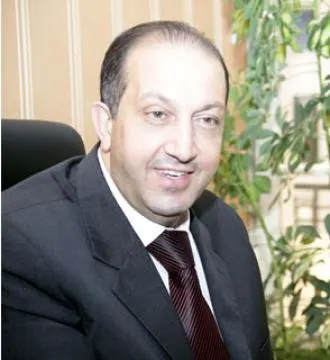
The financial equilibrium of Algeria's Caisse nationale des retraités (CNR) remains extremely precarious, according to Slimane Melouka, the organization's director-general. Melouka made this statement before the health, social affairs, labor, and vocational training commission of the National People's Assembly (APN). The CNR's deficit has worsened despite government efforts to address the issue. The organization's financial struggles have significant implications for Algeria's social security system.
The CNR's financial difficulties are attributed to moderate growth in contribution revenues between 2015 and 2018. During this period, the rate of coverage of expenses by revenues decreased from 81% in 2014 to 56% in 2018. Melouka expressed concern that the situation remains extremely precarious. The director-general also cited an annual growth rate of 18% in expenses between 2010 and 2018, primarily due to annual increases in retirement benefits and substantial salary hikes in 2012 with retroactive effects.
The surge in early retirements before the legal age has also contributed to the CNR's financial woes. To address these challenges, the Algerian government has initiated a comprehensive review of the salaried workers' retirement regime. This review aims to improve the CNR's financial accounts in the medium and long term and ensure its viability. As part of this effort, the government abolished Ordinance 97-13 on January 1, 2017, and introduced a 1% solidarity contribution on imported goods.
In 2019, President Abdelaziz Bouteflika allocated a 600 billion Algerian dinar loan to the CNR through the National Investment Fund (FNI). This move was intended to support the organization's financial stability. Melouka highlighted the government's efforts to bolster the CNR's finances and ensure its sustainability.
To address future financial needs, the CNR is exploring strategies to increase revenue. Melouka mentioned that the organization is considering introducing new taxes or levies to supplement its income. Additionally, the CNR aims to strengthen controls to recover unpaid contributions and combat informal employment.
The CNR is also working on a draft law that would allow Algerian citizens living abroad to contribute to the retirement system and receive benefits in the future. Melouka stated that the text will be submitted for examination and will come into effect as soon as it is finalized.
The CNR's financial challenges have significant implications for Algeria's social security system. The organization's efforts to address these challenges, including exploring new revenue streams and strengthening controls, aim to ensure the long-term sustainability of the retirement regime. The government's support, including the 2019 loan, is also crucial in helping the CNR navigate its financial difficulties.
Key points
- The CNR's financial equilibrium remains extremely precarious despite government measures.
- The organization's financial challenges are attributed to moderate growth in contribution revenues and an annual growth rate of 18% in expenses.
- The Algerian government has initiated a comprehensive review of the salaried workers' retirement regime to improve the CNR's financial accounts.