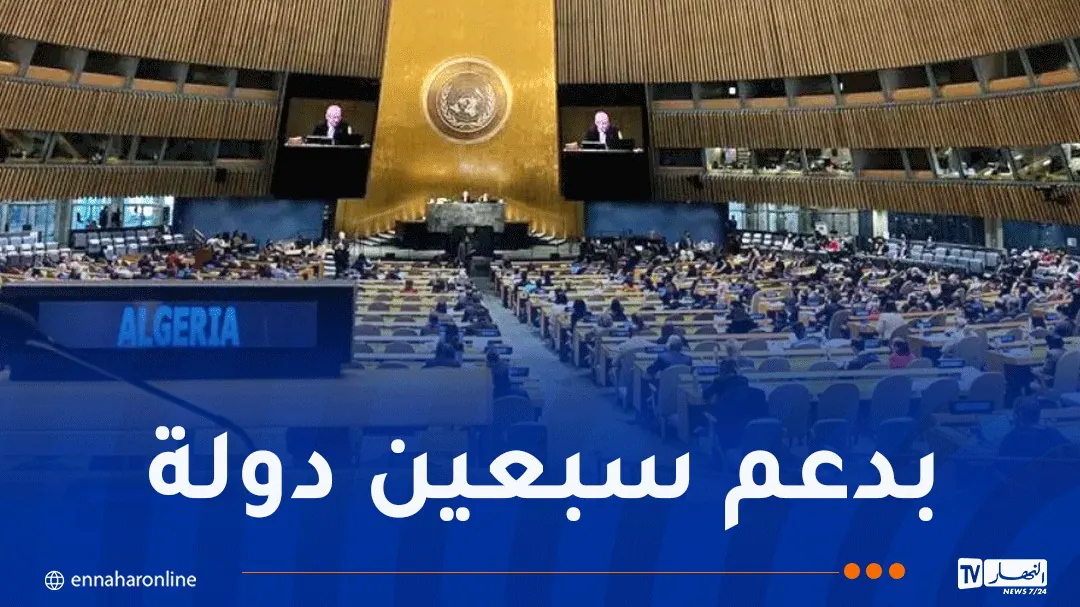
The National Human Rights Council of Algeria has successfully adopted a resolution at the UN Human Rights Council in Geneva, focusing on the impact of anti-personnel mines on human rights. The resolution, titled "Impact of anti-personnel mines on the full enjoyment of all human rights: strengthening assistance to victims," was proposed by Algeria along with Peru, South Africa, Vanuatu, the United Kingdom, Mozambique, and Croatia. This development marks a significant milestone in the country's efforts to address the issue of landmines.
The adopted resolution builds upon a previous resolution, 58/22, which was initiated by Algeria during the 58th session of the UN Human Rights Council. This new resolution takes a more specific approach by emphasizing the need to strengthen assistance to victims of anti-personnel mines, based on a human rights-based approach. The initiative has received widespread welcome and recognition from participating country delegations and civil society organizations, acknowledging Algeria's historical experience with inherited landmines and its achievements in demining efforts.
The resolution was adopted by 70 supporting countries, making it one of the most endorsed decisions at the UN Human Rights Council. This broad international support reflects the global consensus on the humanitarian and human rights dimensions of the issue and demonstrates the international community's trust in Algeria's initiative and its constructive and consensus-based approach throughout the consultation and negotiation process.
Algeria's experience with landmines dates back to the colonial era, and the country has made significant progress in demining efforts using national capabilities. The country's efforts in this area have been recognized, and its expertise is seen as valuable in addressing the issue of anti-personnel mines. The adoption of this resolution highlights Algeria's commitment to promoting human rights and its active role in international efforts to address the impact of landmines.
The resolution's adoption is seen as a significant achievement for Algeria's diplomacy, reflecting the country's growing influence in international affairs. The country's initiative has been praised for its focus on strengthening assistance to victims of anti-personnel mines, which is seen as a critical aspect of addressing the humanitarian impact of landmines.
The UN Human Rights Council's adoption of this resolution underscores the importance of international cooperation in addressing the issue of anti-personnel mines. The resolution's emphasis on a human rights-based approach to assisting victims of landmines is seen as a key aspect of this effort, and Algeria's leadership in this area is expected to continue.
The adoption of this resolution is expected to have a positive impact on the lives of victims of anti-personnel mines, particularly in countries affected by landmines. The resolution's focus on strengthening assistance to victims is seen as a critical step towards addressing the humanitarian impact of landmines and promoting human rights.
Key points
- Algeria's National Human Rights Council adopts landmark UN resolution on impact of anti-personnel mines on human rights
- Resolution builds upon previous efforts to address issue of landmines
- Algeria's expertise in demining efforts recognized as valuable in addressing issue of anti-personnel mines