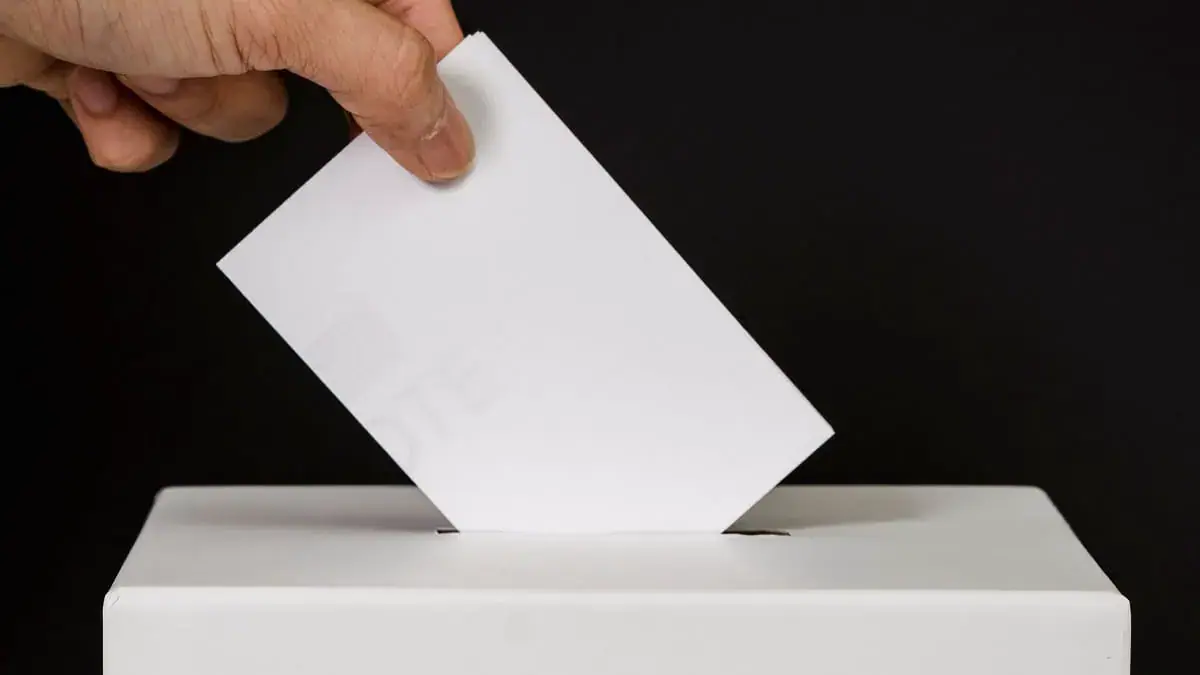
Algeria's local elections, held on November 28, 2026, have concluded with minimal changes to the country's political landscape. The Front de Libération nationale (FLN) and the Rassemblement national démocratique (RND) have maintained their positions as the country's first and second-largest political forces. The FLN secured 7,981 seats in communal assemblies and 756 seats in wilaya assemblies, while the RND obtained 6,100 and 566 seats, respectively.
The elections saw a slight decline in voter turnout compared to the 2021 polls. With over 24.2 million eligible voters, the participation rates for communal and wilaya assemblies were 34.98% and 33.37%, respectively. In 2021, the corresponding figures were 36.58% and 34.76%. A total of 8,476,902 voters participated in the communal assembly elections, with 7,252,770 valid votes and 1,224,132 null ballots. For the wilaya assemblies, 8,089,058 voters participated, with 7,747,792 valid votes and 1,343,266 null ballots.
The FLN and RND were followed by the Front Al Moustakbal, which secured 4,399 seats in communal assemblies and 424 seats in wilaya assemblies, surpassing the lists of independents. The independents, who ranked third in the 2021 elections, dropped to sixth place, securing 1,275 seats in communal assemblies and 143 seats in wilaya assemblies.
The election results also revealed that El Bina, led by Abdelkader Bengrina, has become the fourth-largest political force in the country, with 1,902 seats in communal assemblies and 288 seats in wilaya assemblies. This positioned El Bina ahead of the Mouvement de la société pour la paix (MSP), which secured 1,579 seats in communal assemblies and 279 seats in wilaya assemblies.
Other notable parties that secured representation in the assemblies include Sawt Al Chaab, with 1,020 seats in communal assemblies and 138 seats in wilaya assemblies, and the Front des forces socialistes (FFS), with 821 and 43 seats, respectively. The Rassemblement pour la culture et la démocratie (RCD), which boycotted the 2021 elections, made a surprising entry into the top 10, securing 309 seats in communal assemblies and 20 seats in wilaya assemblies.
The elections also saw the decline of the Parti des Travailleurs (PT), led by Louisa Hanoune, which secured only 20 seats in communal assemblies and 13 seats in wilaya assemblies. Similarly, Jil Jadid secured 60 and 12 seats, respectively. A total of 24 formations politiques, in addition to partisan alliances and independents, will be represented in the new assemblies.
The results of the local elections were announced by Saad Arous, president of the independent electoral authority (Anie), on November 29, 2026. The elections were seen as an important test of the country's political landscape, with many parties vying for representation in the assemblies.
Key points
- The FLN and RND maintained their dominance in the local elections, securing top spots in the communal and wilaya assemblies.
- The elections saw a decline in voter turnout compared to the 2021 polls, with 34.98% and 33.37% participation rates for communal and wilaya assemblies, respectively.
- El Bina emerged as the fourth-largest political force in the country, surpassing the MSP and the lists of independents.
Reporting sources
- Élections locales 2026 en Algérie : sept choses à retenir · tsa-algerie.com