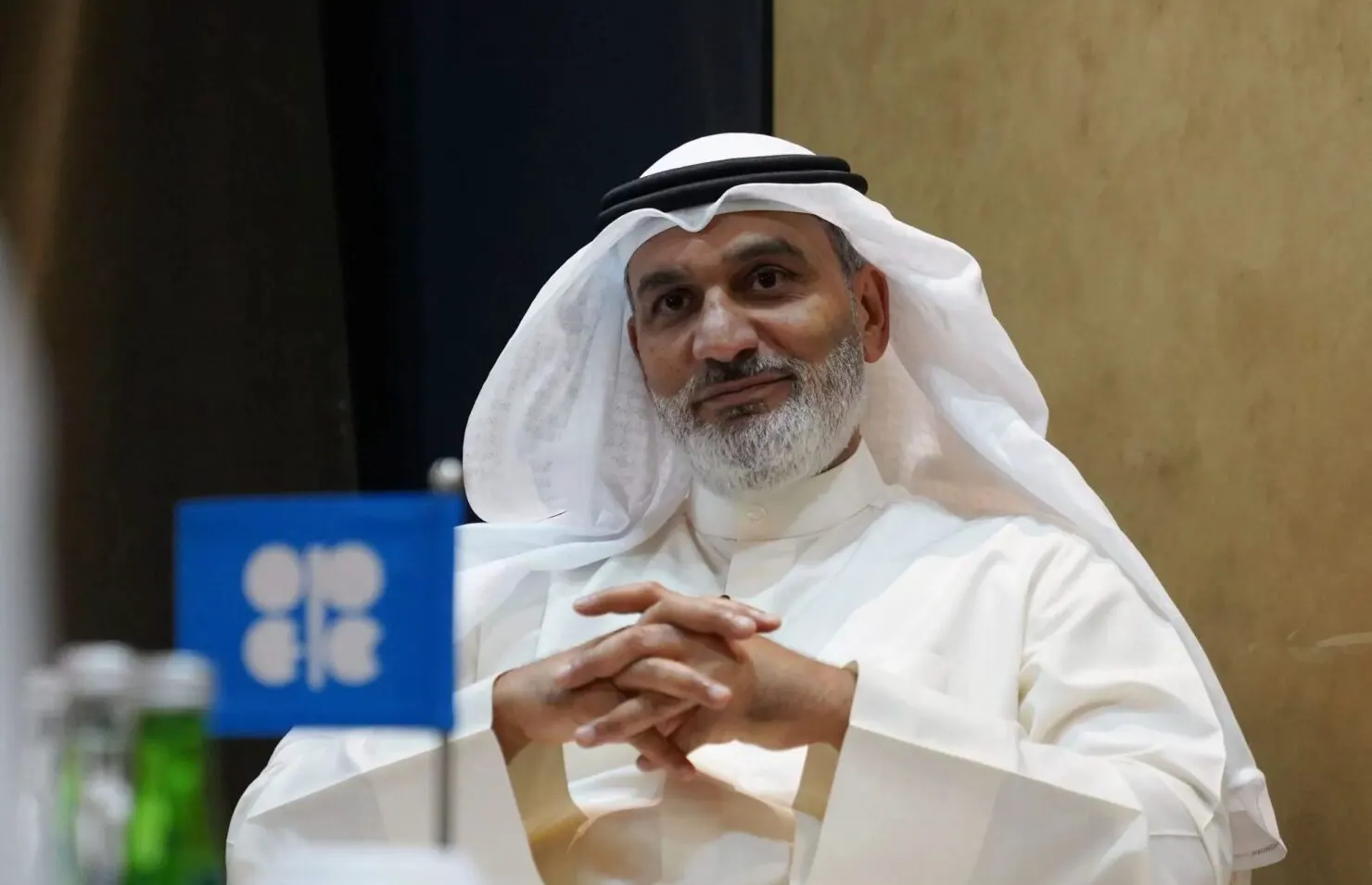
The Secretary-General of the Organization of the Petroleum Exporting Countries (OPEC), Haitham Al Ghais, has emphasized Algeria's crucial contribution to global oil market stability. During a visit to Algiers, Al Ghais highlighted that the "Algiers Agreement" was instrumental in restoring balance to the market after a prolonged period of instability. This agreement, adopted ten years ago, marked a significant milestone in OPEC's history.
Al Ghais praised Algeria's role in fostering dialogue and sustainable cooperation within OPEC and with non-OPEC producers under the OPEC+ alliance. He noted that Algeria's efforts have been pivotal in shaping the cooperation between OPEC and non-OPEC countries. The OPEC Secretary-General stressed that the success of the Algiers Agreement would be studied in universities and specialized energy institutes in the future due to its complexity and the challenges overcome.
The Algiers Agreement was reached during a period of significant turmoil in the global oil market, characterized by low prices and reduced investments. Al Ghais commended the member countries of OPEC, including Algeria, and non-OPEC countries for their collaborative efforts. He emphasized that initiating a genuine and constructive dialogue with non-OPEC producers was essential for rebalancing the market.
Algeria's role in the adoption of the agreement reflects its long-standing commitment to international oil dialogue. Al Ghais highlighted that Algeria's participation in OPEC+ mechanisms, including monitoring and evaluating market developments, demonstrates its ongoing engagement. Algeria's involvement in implementing voluntary production adjustments is also noteworthy.
The OPEC Secretary-General expressed satisfaction with the outcomes of the Algiers Agreement and the Declaration of Cooperation. He described the cooperative framework as "highly successful," enabling the maintenance of acceptable oil stock levels and market balance. Al Ghais emphasized the necessity of continued cooperation among oil-producing countries to address future market challenges.
Al Ghais discussed the evolution of the OPEC+ alliance, which has expanded to include knowledge sharing, technology exchange, and collaborative research. He highlighted the importance of this cooperation in addressing energy and climate issues. The OPEC Secretary-General also touched on the anticipated growth in global economic activity and oil demand, citing projections that the global economy will double by 2050.
Looking ahead, Al Ghais predicted that global oil demand is expected to increase to 124 million barrels per day by 2050, up from approximately 105 million barrels per day currently. He attributed this growth primarily to developing economies, driven by population expansion. The OPEC Secretary-General's visit to Algeria underscores the country's influential role in global energy cooperation and its commitment to maintaining stability in the oil market.
Key points
- Algeria played a pivotal role in the Algiers Agreement, which restored balance to the global oil market.
- OPEC+ has successfully maintained market stability and cooperation among oil-producing countries.
- Global oil demand is projected to reach 124 million barrels per day by 2050.