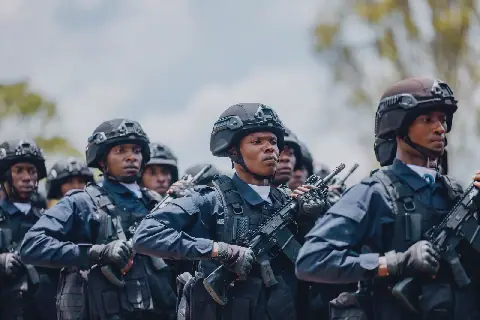
The Sahel region is undergoing a significant transformation in its geopolitical landscape. The area, which spans from the Sahara to the depths of West Africa, is characterized by military reconfigurations, rivalries between foreign powers, fragile states, and the progression of armed groups. Algeria, a key player in the region, can no longer consider the security of the Sahel as an external issue, as its national security, economic development, and regional ambitions are directly impacted.
Algeria's decision to increase its military presence in the Sahel region is a strategic move to assert its influence and stabilize the area. The country's military capabilities, including its structured forces, modern combat aviation, and intelligence capabilities, make it an essential partner in regional security efforts. Recent initiatives, such as the deployment of Su-30 fighter jets and a refueling aircraft to Niger, demonstrate Algeria's commitment to enhancing its military cooperation with neighboring countries.
The shift in Algeria's approach is not a departure from its traditional doctrine of sovereignty and non-interference but rather an adaptation to the evolving security landscape. The country aims to contribute to the defense capabilities of its Sahelian partners, addressing the transnational nature of threats such as terrorism and organized crime. This cooperation is designed to prevent the escalation of conflicts and promote regional stability.
Algeria's military presence in the Sahel is part of a broader strategy to secure its borders and anticipate transnational threats. The country has legitimate concerns about the trafficking of arms, criminal networks, and terrorist groups, which can transform local conflicts into broader security challenges. By engaging in regional security efforts, Algeria seeks to build trust with its Sahelian neighbors and strengthen exchanges on security matters.
The Sahel region has become a focal point of international rivalries, with external powers seeking to consolidate their influence through military partnerships, economic investments, and diplomatic agreements. Algeria's proactive approach aims to counterbalance these efforts and promote a more equitable and sustainable security architecture in the region. By doing so, the country seeks to protect its interests without imposing its will on its neighbors.
A key challenge for Algeria is to ensure that its growing influence in the Sahel region does not lead to dependence or undermine the sovereignty of its partners. The country must navigate the complex web of international relations, avoiding the pitfalls of competition and ensuring that its cooperation with Sahelian states is mutually beneficial and respectful of their choices.
The future of the Sahel region will depend on the ability of its countries to navigate the complexities of international relations and security challenges. Algeria's role in promoting regional stability and security will be crucial in shaping the area's future. As the country continues to assert its influence, it must balance its interests with the need to respect the sovereignty and independence of its partners.
Key points
- Algeria's military presence in the Sahel region marks a strategic shift in its foreign policy.
- The country's growing influence aims to stabilize the area and counter external influences.
- Algeria's approach seeks to promote regional cooperation and respect the sovereignty of its Sahelian partners.