Algeria is making strides in diversifying its economy beyond the oil and gas sector, according to experts from the International Monetary Fund (IMF). The country's economy, which is heavily reliant on hydrocarbons, has started to show signs of growth in other sectors. The IMF's Harris Tsingarides, Francois Bancroft, and Veronique Salans noted that Algeria's large-scale investment projects and production and export growth outside the hydrocarbons sector are key to this progress.
The Algerian government's strategy focuses on large-scale investment projects, including mining, food security, and water management, as well as significant developments in transportation and trade infrastructure. To facilitate implementation, the authorities have streamlined procedures, enhanced governance, and eased trade, including recent reforms in investment, real estate, and mining. A unified digital platform for investment has also been established to help companies invest, expand, and compete.
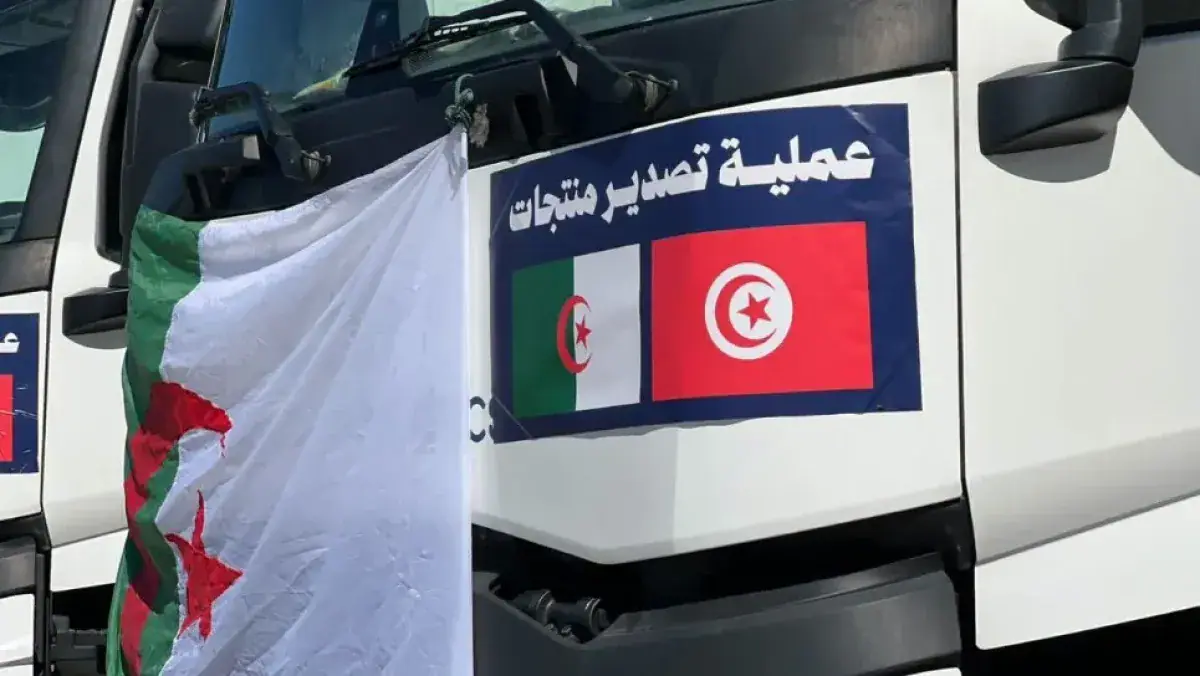
Encouraging signs indicate that these efforts are starting to bear fruit. The contribution of the non-hydrocarbons sector to real GDP and merchandise exports has gradually increased. Export revenues outside the hydrocarbons sector have grown over the past decade, although hydrocarbons still dominate exports. The export base is expanding, with a growing number of products being exported.
To ensure sustainable growth, experts stress that the quality of investment projects is just as important as their size. Allocating resources to projects with the greatest economic impact will yield stronger and more sustainable benefits. This will help keep priority projects within the country's means and ensure that today's investments translate into future productivity gains, job creation, and a more dynamic private sector.
A dynamic private sector is crucial for Algeria's economic growth, experts say. Public investment can lay the groundwork for a competitive private sector, which can expand exports, including in lower-carbon activities, and enhance resilience as global demand shifts towards low-carbon products. Continued support for entrepreneurship can help more start-ups grow, and these reforms can collectively sustain private investment and economic activity over time.
The IMF experts conclude that Algeria has made encouraging progress towards a more diversified economy. The country's natural resources, investments, reforms, and links to African and European markets provide a significant foundation for growth. The challenge now is to convert today's investments and reforms into sustainable benefits in jobs, productivity, and exports by unleashing the potential of a more dynamic private sector and building a more resilient economy.
Algeria's economic diversification efforts are critical to ensuring the country's long-term economic sustainability. With the right policies and investments in place, the country can reduce its dependence on hydrocarbons and create a more balanced and resilient economy. The IMF's assessment of Algeria's economy under the Article IV consultation provides a framework for the country's continued economic development and growth.
Key points
- Algeria's economy is making progress in diversifying beyond oil and gas
- Large-scale investment projects are driving growth in non-hydrocarbons sectors
- A dynamic private sector is crucial for Algeria's long-term economic sustainability