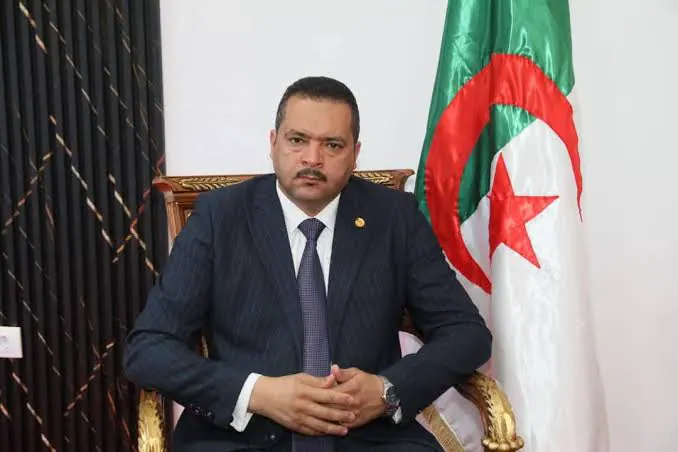
Algeria has solidified its commitment to good governance in its public policies, as stated by Mohamed Arab Slaimani, Deputy Speaker of the Council of the Nation. Speaking on behalf of the Algerian Parliament at the 153rd Assembly of the International Parliamentary Union, Slaimani emphasized that Algeria, under President Abdelmadjid Tebboune's leadership, has established a strong foundation of trust between citizens and state institutions. This trust is built on free and fair elections.
Slaimani highlighted the state's efforts to ensure citizens directly witness the quality of institutional performance through their representatives in Parliament and elected local councils. This approach embodies a genuine participatory democracy model where decisions are made through joint management and collective conviction. By doing so, Algeria aims to consolidate a system where citizens are actively engaged in the decision-making process.
The Algerian institutional system is not devoid of initiatives to promote and stimulate popular participation. Examples include establishing spaces for proposal and monitoring that attract all segments of society, such as the National Observatory for Civil Society, the High Council for Youth, and the Mediator of the Republic. These institutions play a crucial role in fostering a culture of engagement and inclusivity.
Slaimani also emphasized the role of Parliament in consolidating citizen participation. He noted that the Parliament has approved pioneering laws to integrate youth into political life, resulting in a significant youth presence in the lower house of Parliament following the recent legislative elections. For the first time in Algerian history, a woman was elected as the head of the lower house, demonstrating a notable shift towards greater inclusivity.
The Deputy Speaker of the Council of the Nation called for an expansion of the parliamentary perspective to ensure equal opportunities for all peoples. He stressed the need to combat selectivity in dealing with their vital issues and to activate penalties against countries that fuel conflicts, finance crises, and spread harm. This call underscores the importance of a fair and equitable international order.
Slaimani emphasized that good governance requires the resolution of longstanding issues, such as the Palestinian situation, through the establishment of an independent state with Jerusalem as its capital. He also highlighted the need to accelerate the decolonization of Western Sahara, enabling the Sahrawi people to exercise their right to self-determination. These statements reflect Algeria's commitment to global justice and human rights.
Ultimately, Algeria's approach to governance and citizen participation sets a positive precedent for the region. By prioritizing transparency, inclusivity, and accountability, the country aims to strengthen its democratic institutions and ensure that citizens' voices are heard. As Algeria continues on this path, it is likely to face new challenges and opportunities that will shape its future.
Key points
- Algeria has established good governance principles, fostering trust between citizens and state institutions through free and fair elections.
- The country has implemented various initiatives to promote popular participation, including the creation of the National Observatory for Civil Society and the High Council for Youth.
- Algeria's commitment to good governance includes advocating for the rights of Palestinian and Sahrawi peoples, emphasizing the need for a fair and equitable international order.