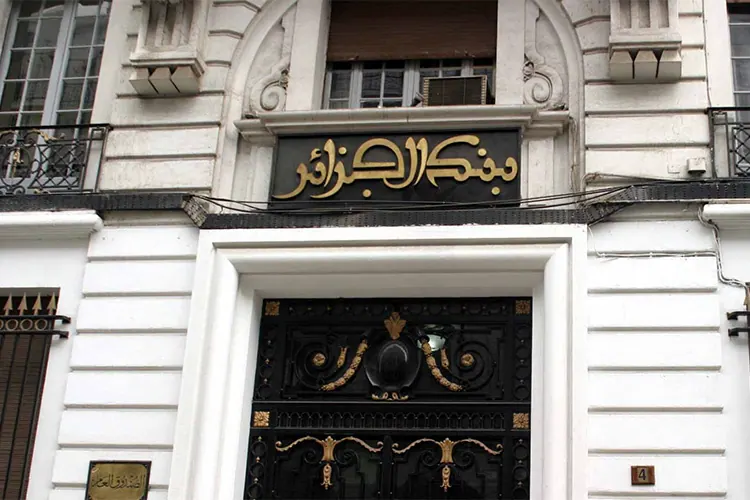
The Central Bank of Algeria, also known as "Benk El Djazaïr," has introduced a new regulatory framework for factoring, a financial operation that allows businesses to receive immediate payment for their commercial debts. This new system aims to provide businesses with an alternative financing solution, enabling them to manage their cash flow more effectively. The regulations outline the conditions and procedures for banks and financial institutions to engage in factoring activities.
The factoring process involves a business, known as the "assignor," transferring its commercial debts to a bank or financial institution, referred to as the "assignee." The assignee then provides immediate payment to the assignor for the transferred debts, assuming the risk of non-payment. The new regulations define the roles and responsibilities of both parties and outline the necessary documentation required for factoring operations.
To qualify for factoring, commercial debts must meet specific conditions. These conditions include being evidenced by invoices or equivalent documents, being liquid and having a specified amount, and not being subject to any disputes. Additionally, the debts must have a maturity date of less than six months from the date of the invoice. The regulations also specify that debts cannot be factored if they have been partially or fully settled, or if they are subject to any legal or contractual restrictions on transfer.
The new regulations also require that factoring operations be carried out under a written contract, which must be signed before any financing is provided. This contract must include specific details, such as the amount of the debt, the payment terms, and the fees associated with the factoring operation. Furthermore, the regulations state that the assignee must notify the debtor of the assignment, and that the assignor must indicate the assignment on all invoices related to the factored debts.
The fees associated with factoring operations consist of a financing commission and a collection commission. The financing commission is charged for the advance payment provided by the assignee, while the collection commission covers the services provided by the assignee in managing and collecting the debts. The regulations also require banks and financial institutions to disclose their fees and terms to clients and the public.
The Central Bank of Algeria has also specified that banks and financial institutions must report factoring operations to the "Central Risk" database, in accordance with existing regulations. This aims to enhance risk management and oversight of factoring activities. The new regulations replace previous regulatory provisions related to banking operations, commercial activities, and risk management.
The introduction of these regulations is expected to promote the use of factoring as a financing tool for businesses in Algeria, enabling them to improve their cash flow and working capital management. The Central Bank of Algeria will issue a detailed instruction on the implementation of these regulations, which will provide further guidance on the application of the new rules.
Key points
- The Algerian central bank has set 7 conditions for commercial debts to be eligible for factoring.
- Factoring operations must be carried out under a written contract signed before financing is provided.
- The fees associated with factoring operations consist of a financing commission and a collection commission.