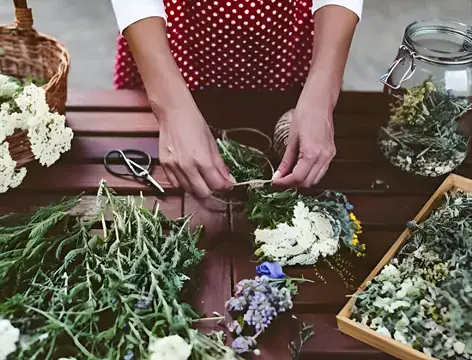
As autumn arrives in Blida, Algeria, the region's residents prepare for the new season by harvesting citrus fruits and herbs. The air is filled with the scent of oranges, lemons, and other citrus fruits, which are used to make jams, preserves, and juices. The region's mild climate allows for a variety of citrus fruits to be grown, including oranges, lemons, and mandarins.
In the Matira region, the transition from summer to autumn marks a shift from consuming fresh produce to preserving and storing it for later use. The local population, particularly women, play a significant role in transforming agricultural products into homemade food, which is an integral part of the region's cultural heritage. The harvested fruits and herbs are used to make a variety of dishes, including jams, preserves, and dried herbs, which are stored for use during the winter months.
The region's agricultural production is not limited to citrus fruits, but also includes a wide range of herbs and plants, which are used for medicinal and culinary purposes. A study conducted in the Hamam Melouan region of Blida found that the local population uses over 110 species of plants, belonging to 46 plant families, for medicinal and culinary purposes.
The traditional cuisine of Blida is characterized by its use of locally grown ingredients, including citrus fruits, herbs, and plants. The region's residents have developed a unique culinary tradition, which is closely tied to the local environment and cultural heritage. The use of dried herbs and preserved fruits is an essential part of this tradition, which allows the residents to enjoy a variety of dishes throughout the year.
The old markets of Blida, including the "Blassa Arab" market, play an important role in preserving the region's culinary heritage. The markets offer a wide range of locally grown products, including herbs, spices, and preserved fruits, which are used to prepare traditional dishes.
The markets in Blida are not just places for buying and selling goods, but also serve as a platform for preserving and sharing culinary knowledge. The local residents, particularly women, use these markets to exchange recipes and learn about new ways to prepare traditional dishes.
The use of citrus fruits and herbs in traditional cuisine is an essential part of the cultural heritage of Blida. The region's residents have developed a unique culinary tradition, which is closely tied to the local environment and cultural heritage.
Key points
- The harvest of citrus fruits and herbs in Blida is an important part of the region's cultural heritage.
- The traditional cuisine of Blida is characterized by its use of locally grown ingredients.
- The old markets of Blida play a significant role in preserving the region's culinary heritage.