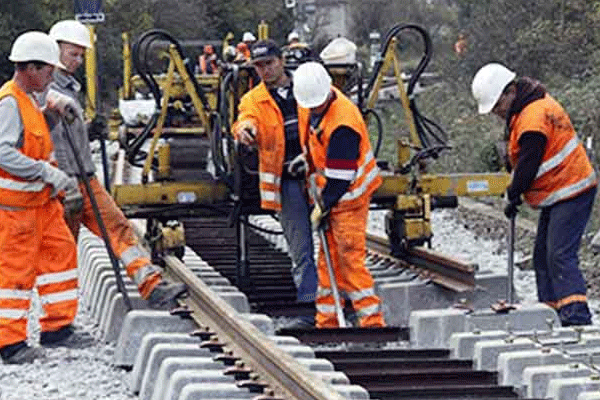
The Algerian railway project to double the track between Béni Mansour and Béjaïa is finally moving forward. The 87-kilometer project, which has been stalled for years due to opposition from landowners, is expected to improve travel times and increase cargo transportation. The project, which was first registered in 2008, aims to allow passenger trains to reach speeds of 160 km/h and freight trains to reach speeds of 100 km/h.
The project involves constructing a new track, with 35 kilometers of the new track being built on existing railway land and the remaining 52 kilometers on new, untouched land. The project has faced significant opposition from local residents and landowners, who were concerned about the impact on their properties and livelihoods. However, efforts have been made to address these concerns and persuade residents to support the project.
According to local authorities, including Béjaïa's Wali, Ahmed Maabed, and the President of the Béjaïa People's Assembly, M'henni Haddadou, the project is crucial for the development of the region. They believe that by reducing travel times and increasing cargo transportation, the project will have a positive impact on the local economy. The authorities have been working to raise awareness about the project's benefits and persuade residents to support it.
The project has been assigned to COSIDER, a construction company that has already set up its base along the proposed route. The company has been instructed to begin work only in areas where the route has been fully cleared of opposition. Once the opposition has been resolved, the company will be able to work on the remaining sections of the project.
To enable trains to reach higher speeds, the new track will involve correcting the curves of the existing track and eliminating around 100 level crossings. The project is expected to improve the overall efficiency of the railway network and provide better services to passengers and cargo operators.
Local authorities have acknowledged the efforts of residents who have already ceded their land for the construction of the highway and railway projects. They have promised that those who oppose the project will also be compensated fairly. The President of the Béjaïa People's Assembly has called for a collective effort to raise awareness and persuade residents to support the project.
The project is expected to have a significant impact on the region's economy and communication networks. Once completed, it will reduce travel times and increase the volume of cargo transported from the port of Béjaïa to other cities in the country. The project's success will depend on the continued cooperation of local residents and the effective management of the construction process.
Key points
- The project aims to allow passenger trains to reach speeds of 160 km/h and freight trains to reach speeds of 100 km/h.
- The project involves constructing 87 kilometers of new track, including 35 kilometers on existing railway land and 52 kilometers on new land.
- The project has faced significant opposition from local residents and landowners, but efforts are being made to address their concerns and persuade them to support the project.