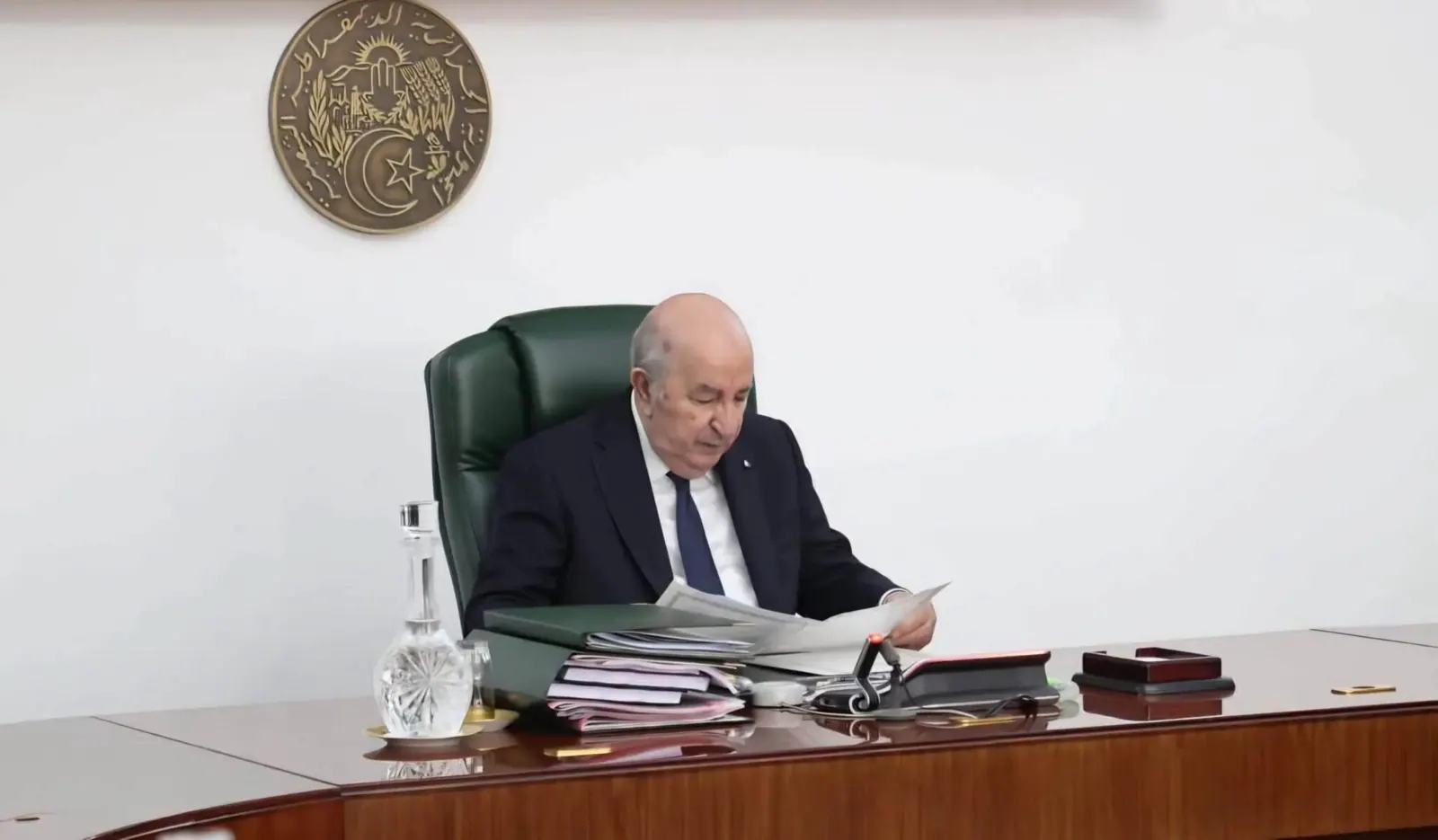
The Algerian government has unveiled its 2027 Finance Law, which outlines the country's budget and economic plans for the upcoming year. The proposed law allocates 17,882.6 billion dinars for expenditures and 9,251.1 billion dinars for revenues. The government expects a growth rate of 4.2% and an inflation rate of around 4%. The price of oil is set at $60 per barrel, while the exchange rate is estimated to be around 131 dinars per dollar.
The 2027 Finance Law includes measures to boost public employment, with 125,675 posts to be mobilized, including 82,948 new budget posts and 42,727 vacant positions to be filled. The education and health sectors will account for a significant portion of these recruitments. The law also provides for promotions, new appointments, and revisions to certain allowance regimes. The total wage bill is expected to reach 6,087 billion dinars, accounting for around 34% of the state's budget.
The housing sector is also a major focus of the 2027 Finance Law, with nearly one million housing units planned under various formulas. The program includes 140,000 public rental housing units, 25,000 aided promotional housing units, and 50,000 public promotional housing units. Additionally, 985,000 housing units will be built under the "AADL 3" program, which offers housing for sale or rent. The government also plans to build 600,000 rural housing units and provide 200,000 construction aids in southern and high-plateau regions.
The 2027 Finance Law proposes changes to the automobile import regulations, allowing for the regularization of vehicles that have exceeded the age limit during transportation to Algeria. The law also provides for an increase in the vignette tax for certain powerful vehicles, with new rates of 40,000 dinars for vehicles less than three years old and 30,000 dinars for those between three and six years old. The goal is to adapt the vignette tax to the value of the vehicles.
The law also includes measures to support social transfers, with an allocation of 4,415.35 billion dinars for payments. This includes 717.7 billion dinars for subsidies on widely consumed products, such as cereals, milk, and sugar. The government also plans to create a "National Fund for Repairing Damage Caused by Inclement Weather" to finance repairs to infrastructure damaged by bad weather.
The 2027 Finance Law includes several fiscal measures aimed at strengthening revenue and supporting investment. The law proposes exempting certain components and raw materials from customs duties and VAT for the mechanical, electronic, and electrical industries. A 20% tax on profits from beer manufacturing and importation is also planned. Additionally, companies operating multiple establishments will have to file separate tax declarations for each one.
The 2027 Finance Law will now be debated in Parliament, where its provisions may be modified before its final adoption. The law aims to promote economic growth, improve public services, and support social welfare programs. Its implementation will be closely watched by Algerians and international observers alike.
Key points
- The 2027 Finance Law allocates 17,882.6 billion dinars for expenditures and 9,251.1 billion dinars for revenues.
- The law proposes an increase in the vignette tax for certain powerful vehicles.
- Nearly one million housing units are planned under various formulas, including 140,000 public rental housing units and 985,000 housing units under the "AADL 3" program.