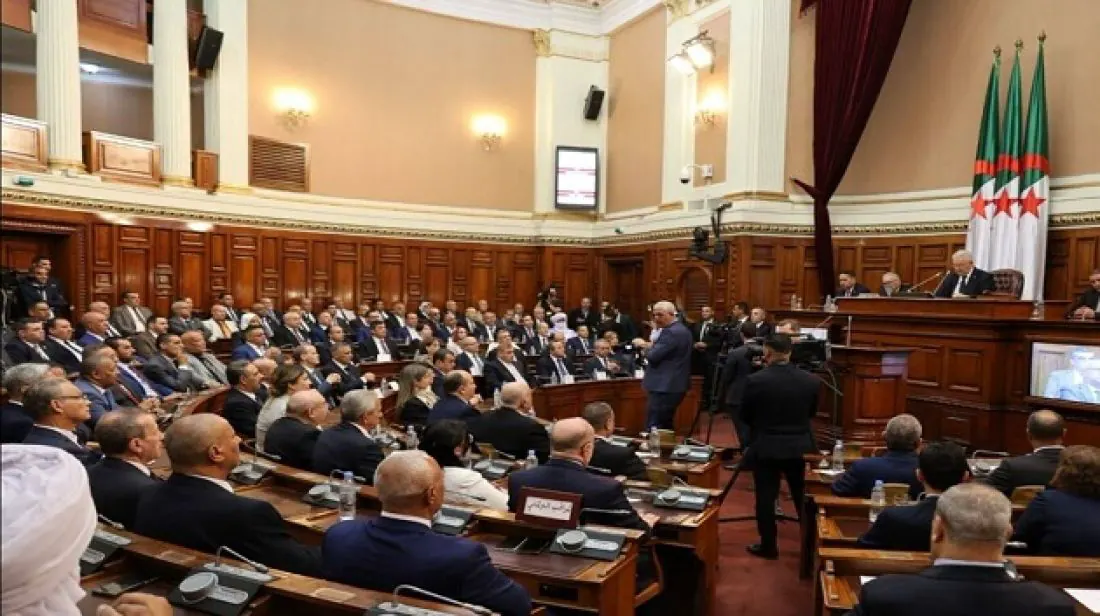
The Algerian upper house of parliament, known as the Council of the Nation, has unanimously approved a bill reinstating the death penalty for a range of severe crimes. The new legislation, which was approved on Wednesday, expands the scope of crimes punishable by death to include arson in forests and public or private property damage if committed for foreign entities or as part of organized crime.
The bill was passed after the lower house of parliament, the People's National Assembly, approved it last week. The new legislation targets crimes that threaten national security, public order, and economic and environmental stability. It also includes stricter penalties for child abduction cases. The bill must now be reviewed by the Constitutional Court to ensure it aligns with the country's constitution before being signed into law by the President.
If enacted, the law would mark the return of capital punishment in Algeria, which has been suspended since 1993. Although courts have continued to hand down death sentences during this period, the penalty has not been carried out. The move comes as part of a broader effort to toughen laws and enhance public security in the country.
The reinstatement of the death penalty is part of a series of legislative changes aimed at addressing serious crimes. These crimes include acts of terrorism, violent extremism, and other threats to state security. The Algerian government has been working to bolster its legal framework in response to evolving security challenges.
Human rights groups have expressed concerns about the return of capital punishment, citing international trends towards its abolition. However, supporters of the move argue that it will serve as a deterrent to serious crime and enhance public safety. The Algerian authorities have assured that the death penalty will only be applied in the most severe cases.
The bill's passage through the upper house of parliament paves the way for its consideration by the Constitutional Court. Once cleared, it will be sent to the President for signature and publication in the Official Gazette. This process is expected to be completed in the coming weeks, potentially leading to the law's enactment.
The reintroduction of the death penalty in Algeria has sparked a mix of reactions from various quarters. While some have welcomed the move as a necessary measure to combat crime, others have raised concerns about its implications for human rights and the country's international standing. The law is set to have significant implications for the country's judicial and penal systems.
Key points
- The Algerian Council of the Nation has approved a bill reinstating the death penalty for severe crimes, including terrorism and violent extremism.
- The new legislation expands the scope of crimes punishable by death and includes stricter penalties for child abduction cases.
- The bill must now be reviewed by the Constitutional Court before being signed into law by the President.