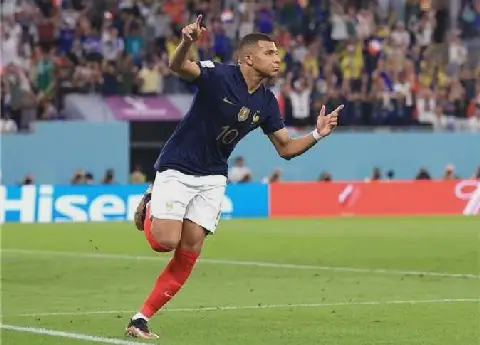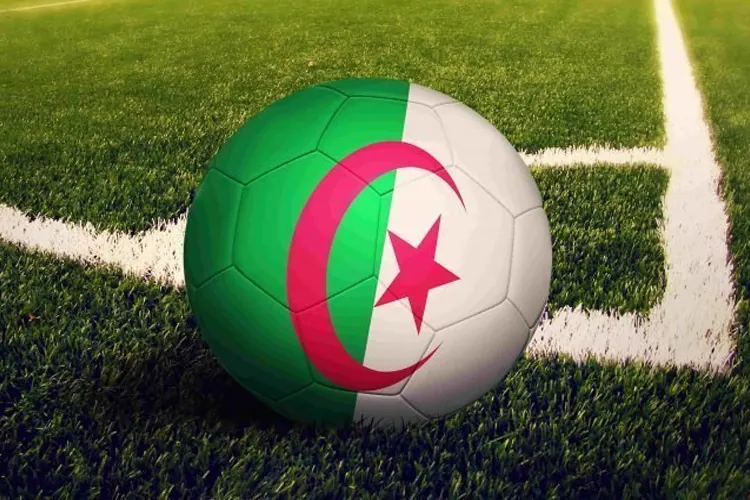
Algeria's national football team made history in 1982 when they participated in the World Cup in Spain, wearing traditional Algerian attire alongside their Adidas and Puma sports jerseys. The team's players, including Rabah Madjer, Mustafa Dahleb, Salah Assad, and Lakhdar Belloumi, showcased their unique style, which blended traditional and modern elements. This blend of styles was not limited to the football team, as the Algerian delegation, including administrators, wore traditional Algerian suits and ties during their visit to Spain.
The preference for Algerian clothing was also evident during the 1986 World Cup in Mexico, where the team continued to don traditional attire. This was remarkable, given the dominance of Italian, French, and American clothing brands in global markets at the time. According to former Algerian Ambassador to Paris, Mohamed Bdjawi, Algerians took pride in wearing locally-made clothing, even when visiting high-profile international events. He recalled an instance where a French minister gifted him a luxurious French shirt, which he accepted as a gesture of goodwill.
However, over the years, Algeria has faced challenges in developing its textile industry, with many citizens opting for cheaper, imported clothing from countries such as Bangladesh, Vietnam, and Thailand. In recent years, the government has made efforts to revive the industry, with some success. For example, several global brands have established production facilities in Algeria, and the government has encouraged citizens to buy locally-made clothing by promoting the "Made in Algeria" label.
The Algerian government has taken steps to support the growth of the textile industry, including a meeting between the Minister of Trade and Foreign Promotion of Exports and local business owners. The meeting highlighted the growth of production by global brands that have established facilities in Algeria, as well as the introduction of new international brands to the local market. This development is expected to create new opportunities for local entrepreneurs and contribute to the country's economic growth.
One notable example of Algerian fashion is the iconic designer Yves Saint Laurent, who was born in Oran in 1936. Saint Laurent credited his hometown and its people with inspiring his sense of style, which he developed before moving to Paris to work with the renowned fashion house Christian Dior. Algerian designers such as Yasmine Chelali and Fouad Azizi have also made a name for themselves globally, showcasing the country's rich fashion heritage.
Despite these successes, challenges persist, and the government has called for an end to the importation of cheap, low-quality clothing. With a population of nearly 50 million people, Algeria aims to become self-sufficient in textile production, just as it has achieved in food production. By promoting locally-made clothing and supporting the growth of the textile industry, the government hopes to create jobs, stimulate economic growth, and promote national pride.
As Algeria continues to push for a homegrown fashion industry, citizens are being encouraged to take pride in wearing locally-made clothing. With its rich cultural heritage and history of fashion innovation, Algeria is well-positioned to become a major player in the global textile market. By supporting local designers and manufacturers, Algerians can help drive economic growth and promote national identity through fashion.
Key points
- Algeria aims to boost its textile industry and encourage citizens to wear locally-made clothing.
- The government has taken steps to support the growth of the textile industry, including promoting the "Made in Algeria" label.
- Algerian designers have made a name for themselves globally, showcasing the country's rich fashion heritage.