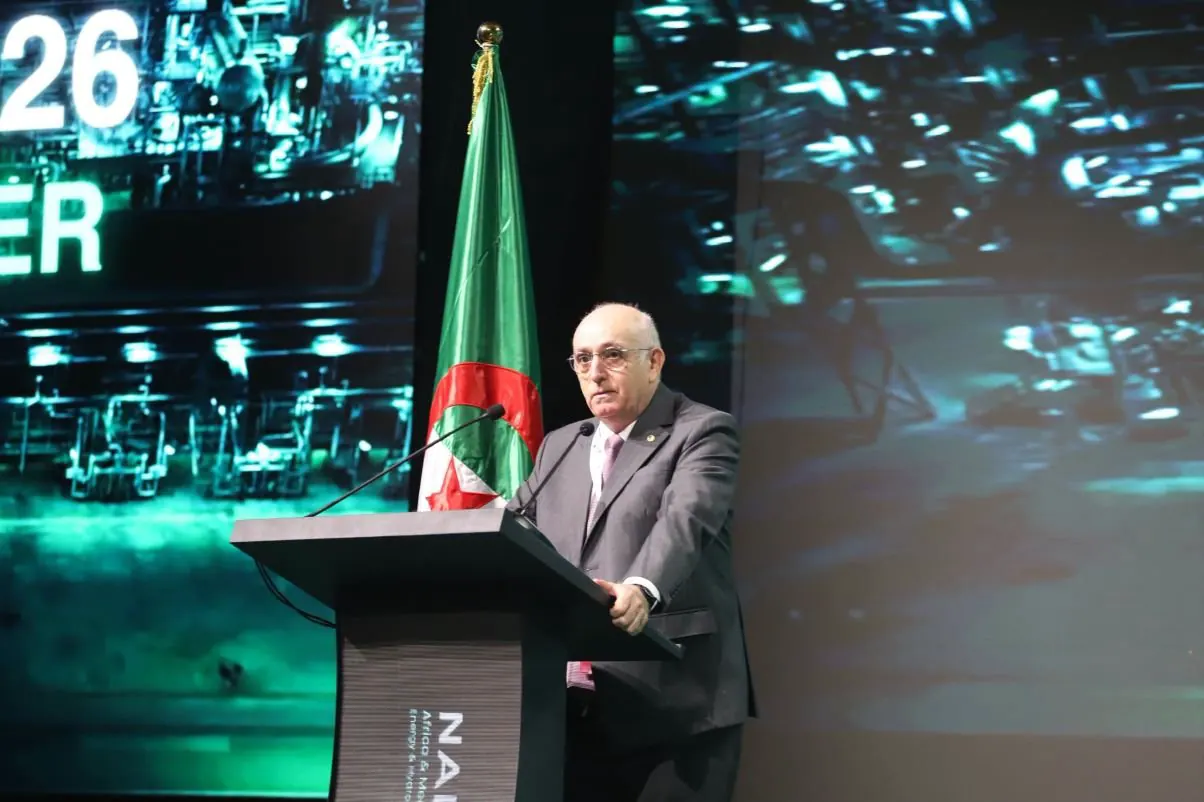
Algeria is set to host the 14th edition of the Salon and Conference on Energy and Hydrogen for Africa and the Mediterranean Basin (NAPEC 2026). The country's strategic location, energy resources, and infrastructure make it an ideal hub for energy cooperation between Africa and Europe. According to Sonatrach's CEO, Nour Eddine Daoudi, Algeria's approach to energy is centered around "energy addition," which emphasizes complementarity between different energy sources and technologies.
The concept of "energy addition" is an approach that prioritizes a diversified, flexible, and resilient energy mix. Daoudi explained that this approach is crucial in addressing the current challenges facing the global energy landscape, including ensuring secure energy supplies, making energy accessible, and reducing carbon emissions. He stressed that the transformations in the global energy landscape necessitate enhanced dialogue and cooperation among stakeholders.
Algeria's role in regional energy integration is significant, with its geographical position and energy resources allowing it to connect Africa and Europe via the Mediterranean. The Trans-Saharan Gas Pipeline (TSGP) project is a key initiative that aims to strengthen regional integration and link African gas resources to European markets. Daoudi highlighted the project's strategic importance in enhancing energy security and promoting economic growth.
Technology and innovation are critical components in realizing the "energy addition" approach. Daoudi emphasized that improving energy efficiency, developing new capacities, and responding to growing demand are essential in achieving this goal. Sonatrach, Algeria's state-owned energy company, is committed to investing in various sectors of the energy value chain while strengthening its partnerships with international companies.
Algeria's Minister of State for Hydrocarbons, Mohamed Arkab, also addressed the conference, highlighting the importance of natural gas in the energy mix. He noted that natural gas will continue to play a vital role in meeting energy demands, supporting industrial development, and reducing carbon emissions. Arkab emphasized the need for a balanced approach to energy production, combining different energy sources to meet growing demand while improving energy efficiency.
The Algerian government is committed to developing and modernizing the country's hydrocarbon sector. Arkab stated that the government is working to intensify investments in oil and gas infrastructure, increase production and storage capacities, and expand the country's reserves. He also highlighted Algeria's efforts to reduce carbon emissions, with Sonatrach aiming to eliminate routine gas flaring by 2030 and reduce methane emissions to near zero by the same deadline.
The TSGP project is a key component of Algeria's strategy to strengthen its role as a regional energy hub. Arkab noted that the project will not only facilitate the transportation of gas but also promote the valorization of African resources, enhance regional integration, and support economic development. The project is expected to have a positive impact on the countries it traverses, contributing to energy access and economic growth.
Key points
- Algeria promotes a diversified energy mix through its "energy addition" approach.
- The country aims to strengthen regional energy integration through projects like the Trans-Saharan Gas Pipeline.
- Algeria is committed to reducing carbon emissions and improving energy efficiency.