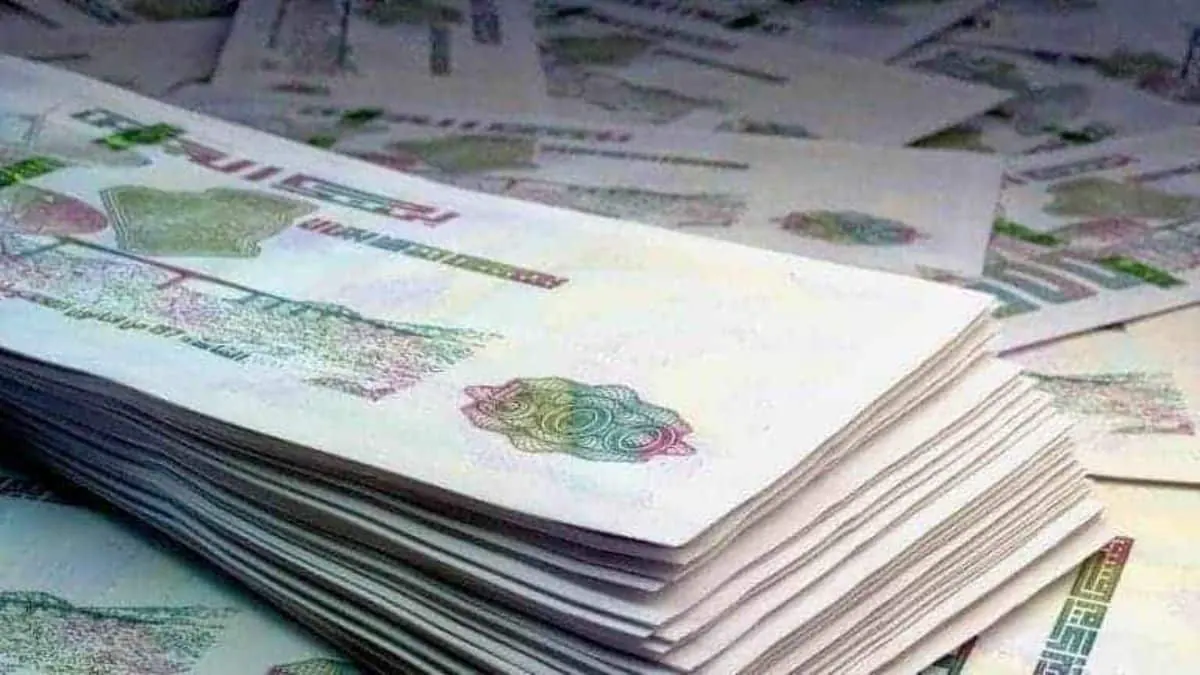
The Algerian government is considering expanding its wealth tax to include fortunes exceeding 80 billion centimes, or 800 million Algerian dinars, as part of its 2027 finance bill. Currently, only wealth exceeding 100 million dinars is subject to the tax. The proposed changes aim to increase revenue and encourage high-net-worth individuals to contribute to the state's budget. The new tax rates will range from 0.2% to 1%, depending on the value of the fortune.
According to the draft law, fortunes between 80 billion and 120 billion centimes will be taxed at 0.2%, while those between 120 billion and 200 billion centimes will be taxed at 0.3%. The tax rate will increase progressively, reaching 1% for fortunes exceeding 400 billion centimes. The government believes that the current tax threshold of 100 million dinars has resulted in negligible revenue, with annual collections ranging from 20 to 25 million dinars between 2022 and 2025.
The proposed changes also include penalties for late declaration of wealth. A 10% penalty will be applied if the delay does not exceed one month, increasing to 20% if the delay exceeds one month but not two, and 25% if the delay exceeds two months. Additionally, taxpayers who fail to submit a declaration will be subject to a 25% surcharge, which can be reduced to 20% if the declaration is submitted within 30 days.
The Algerian government has stated that the current wealth tax, introduced in 2020, has not generated significant revenue. The proposed changes aim to increase the number of taxpayers and encourage high-net-worth individuals to contribute to the state's budget. The government believes that the new tax rates and thresholds will help to increase revenue and reduce inequality.
The 2027 finance bill also includes other measures aimed at increasing revenue and promoting economic growth. These measures include changes to the tax code and increased penalties for tax evasion. The government has stated that it aims to create a more equitable and efficient tax system that promotes economic growth and reduces poverty.
The proposed tax changes have been met with interest from various stakeholders, including economists and business leaders. Some have argued that the new tax rates and thresholds will help to promote economic growth and reduce inequality, while others have expressed concerns about the potential impact on investment and economic activity.
The Algerian government is expected to finalize the 2027 finance bill in the coming months. The proposed tax changes are part of a broader effort to reform the country's tax system and increase revenue. The government has stated that it aims to create a more efficient and equitable tax system that promotes economic growth and reduces poverty.
Key points
- Algeria plans to tax fortunes exceeding 80 billion centimes by 2027.