Algeria has made a significant move to bolster its healthcare sector by expanding its specialized medical training programs. As of the latest count, 17,441 positions for specialist doctors in training have been recorded. This development is part of a broader effort to enhance the country's healthcare capabilities by increasing the number of qualified medical professionals. The expansion has been achieved through a substantial increase in the number of positions available in the national residency competition over the past four years.
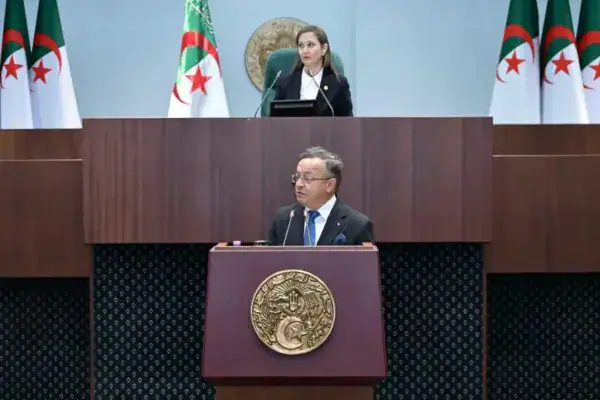
The increase in specialized medical training positions is a strategic move to strengthen Algeria's healthcare system. According to Kamel Baddari, Minister of Higher Education and Scientific Research, this growth represents a "qualitative leap" in the sector. During a plenary session at the National People's Assembly, Baddari emphasized that improving healthcare security involves not just building infrastructure and acquiring medical equipment but also ensuring the availability of qualified human resources capable of meeting the population's health needs.
Over the past four years, 12,429 positions have been opened in the national competition for access to specialized medical training. A significant portion of these positions, 4,282, is allocated to five key medical specialties: gynecology-obstetrics with 1,910 positions, medical imaging with 1,024 positions, cardiology with 607 positions, pediatric surgery with 524 positions, and neurology with 217 positions. This allocation aims to address specific healthcare needs and shortages in these critical areas.
In addition to the existing positions, the Algerian Ministry of Health has identified a need for an additional 5,012 positions for specialized medical training. This brings the total number of positions and specialist doctors currently in training to 17,441. The increase reflects the country's effort to broaden its national training capacities across various medical disciplines, ensuring a more robust healthcare system.
The strategic expansion of specialized medical training in Algeria is part of a larger plan to consolidate the country's health sovereignty and establish a more sustainable healthcare system. According to Minister Baddari, the goal is not only to increase the number of medical specialists but also to achieve a more balanced geographical distribution of medical competencies. This balanced approach aims to address regional disparities in access to specialized care.
The Algerian government's initiative to enhance its healthcare sector through education and training is seen as a critical step towards achieving a more equitable and effective healthcare system. By focusing on the development of specialized medical professionals, Algeria aims to improve health outcomes and provide better care to its population. The expansion of medical training positions is a key component of this strategy.
As Algeria continues to develop its healthcare capabilities, the focus on specialized medical training is expected to yield long-term benefits for the country's health sector. With a more substantial and diverse pool of medical specialists, Algeria can better meet the healthcare needs of its population and move closer to achieving its goal of a sustainable and equitable healthcare system.
Key points
- Algeria has 17,441 specialized medical training positions available.
- The expansion aims to strengthen the country's healthcare system and improve health outcomes.
- The initiative includes a focus on achieving a balanced geographical distribution of medical competencies.
Reporting sources
- Formation médicale spécialisée : Plus de 17 400 postes ouverts · Le Jeune Indépendant