The International Monetary Fund has acknowledged Algeria's efforts to diversify its economy, noting "encouraging" signs of progress. According to the IMF, Algeria's economy is showing resilience, driven by its natural resources, investments, and strategic location in Africa and Europe. The country's economic diversification strategy focuses on large investment projects, promoting production and exports, and encouraging investment in multiple sectors outside hydrocarbons.
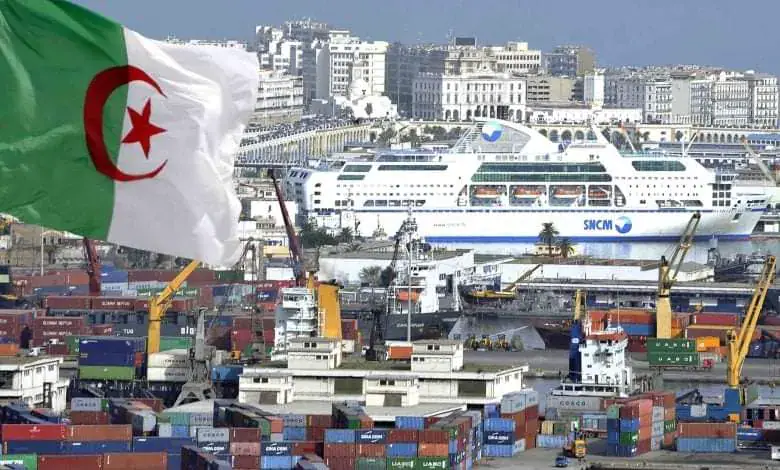
The IMF highlighted that Algeria has made significant strides in reducing its reliance on hydrocarbons, with non-oil sectors contributing increasingly to the country's GDP and exports. The fund also noted a growth in export revenues outside the hydrocarbons sector in recent periods. Algeria's economic strategy is built around large investment projects, including mining, food security, and water management, as well as significant investments in transportation and trade infrastructure.
The IMF praised Algeria's authorities for implementing facilitative measures to support economic growth, including reforms in investment, real estate, and mining. The introduction of a one-stop national investment platform is also seen as a positive step. These efforts aim to improve governance, facilitate trade, and attract foreign investment. By diversifying its economy, Algeria aims to reduce its dependence on hydrocarbons and create a more sustainable economic model.
As one of Africa's largest energy exporters, Algeria plays a significant role in European energy markets. The hydrocarbons sector remains a vital component of Algeria's economy, and the IMF recognizes it as a key area of strength. However, the fund encourages Algeria to continue diversifying its economy to ensure long-term sustainability. The country's strategic location and natural resources make it an attractive destination for investors.
The IMF's assessment is based on its analysis of Algeria's economic performance and policies. The fund provides financial assistance and policy advice to countries facing economic challenges. In Algeria's case, the IMF's recognition of the country's progress in economic diversification is a positive endorsement. This development is likely to boost investor confidence and support Algeria's ongoing economic reforms.
Algeria's economic diversification efforts have been driven by a range of factors, including a desire to reduce dependence on hydrocarbons and promote sustainable growth. The country's authorities have implemented various policies and initiatives aimed at supporting economic development and attracting investment. These efforts have contributed to a more diversified economy, with a growing range of sectors contributing to GDP and exports.
The IMF's recognition of Algeria's progress in economic diversification is a significant development, highlighting the country's potential for sustainable growth and economic resilience. As Algeria continues to implement economic reforms and diversify its economy, it is likely to attract increased investment and achieve long-term economic stability. The country's future economic prospects appear promising, driven by its strategic location, natural resources, and ongoing efforts to promote economic diversification.
Key points
- Algeria has made progress in diversifying its economy, with non-oil sectors contributing increasingly to GDP and exports.