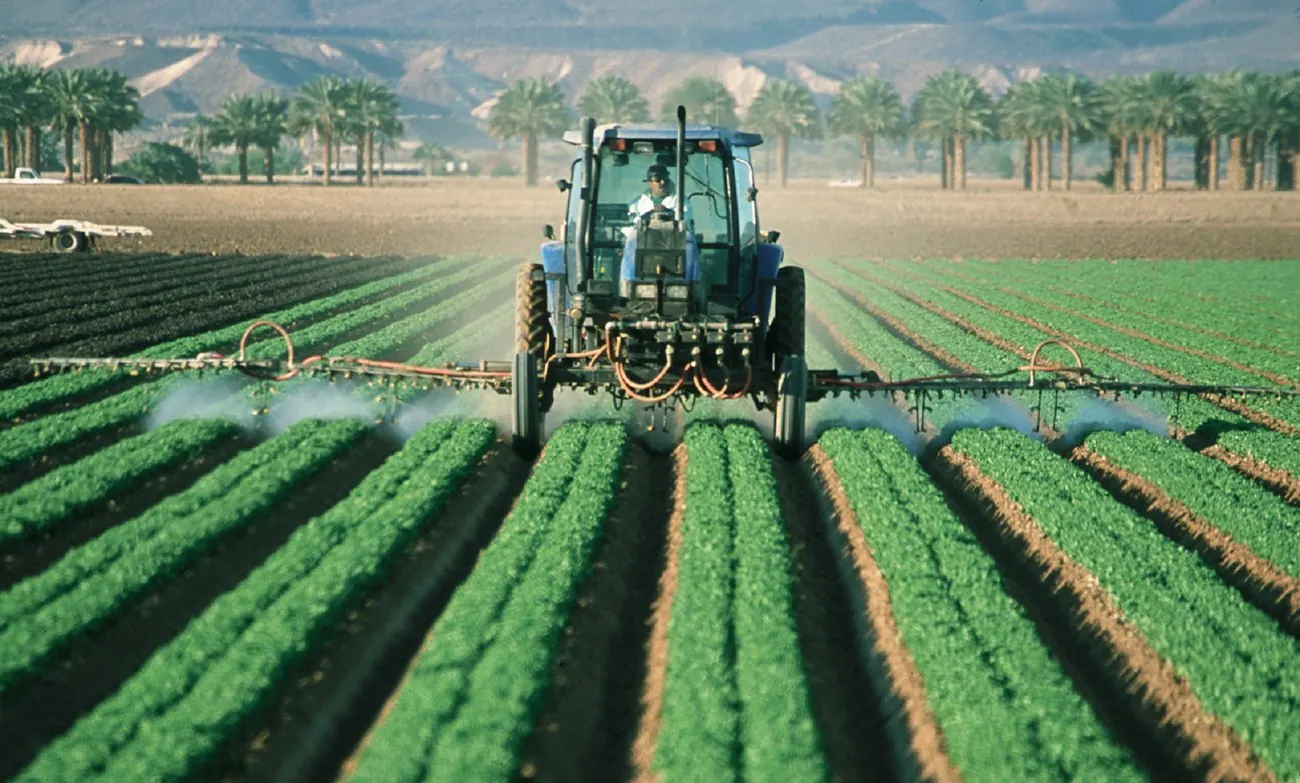
As Algeria prepares for the 2026/2027 farming season, the country is shifting its focus towards smarter and more water-efficient farming practices. With challenges posed by climate change, rising production costs, and increasing pressure on water resources, the government is emphasizing the need for a new approach that prioritizes planning, productivity, and water conservation. This approach will involve supporting the production of strategic crops such as wheat, barley, and pulses.
According to Abdelmajid Sghiri, an engineer and expert in agriculture, the traditional method of evaluating farming performance solely based on the area of land cultivated is no longer sufficient. Instead, he suggests that factors such as productivity per hectare, production costs, and water usage should be taken into account. Sghiri emphasizes that the timing and distribution of rainfall are crucial in determining crop yields, particularly in regions that rely heavily on rain-fed agriculture.
With the upcoming farming season, Sghiri stresses the importance of adopting a proactive approach to farming, involving planning and preparation before the start of the season. This includes selecting suitable crops for each region, choosing drought-resistant varieties, and adjusting planting dates and densities. Additionally, analyzing soil conditions is essential in determining fertilizer requirements, reducing waste, and improving productivity.
In light of the pressures on water resources, Sghiri highlights the need to improve water efficiency in agriculture. This can be achieved by promoting the use of water-saving technologies and adopting complementary irrigation practices. He also suggests that conservation agriculture and direct seeding can help preserve soil moisture and optimize natural resource use.
Technology is increasingly playing a vital role in modernizing Algeria's agricultural sector. Sghiri notes that remote sensing, digitalization, and artificial intelligence can help monitor crop health, identify areas of water stress, and provide data for informed decision-making. Furthermore, developing post-harvest handling and storage infrastructure is critical in reducing losses and ensuring that produce reaches consumers in good condition.
Sghiri emphasizes that human expertise and field experience remain essential components of Algeria's agricultural development. He argues that engineers, farmers, and experts should be involved in decision-making processes to ensure that choices are informed by scientific data, field knowledge, and economic considerations. By combining these factors, Algeria can select the most suitable crops, varieties, and technologies for each region.
The ultimate goal, according to Sghiri, is to achieve higher productivity while using fewer resources. This involves three interconnected objectives: increasing production, reducing costs, and minimizing water usage. By adopting a smarter and more sustainable approach to agriculture, Algeria aims to enhance food security and ensure a more efficient use of its resources.
Key points
- Algeria is shifting towards smarter and more water-efficient farming practices for the 2026/2027 season.
- The country aims to improve productivity, reduce costs, and minimize water usage in agriculture.
- Technology, including remote sensing and artificial intelligence, will play a vital role in modernizing Algeria's agricultural sector.