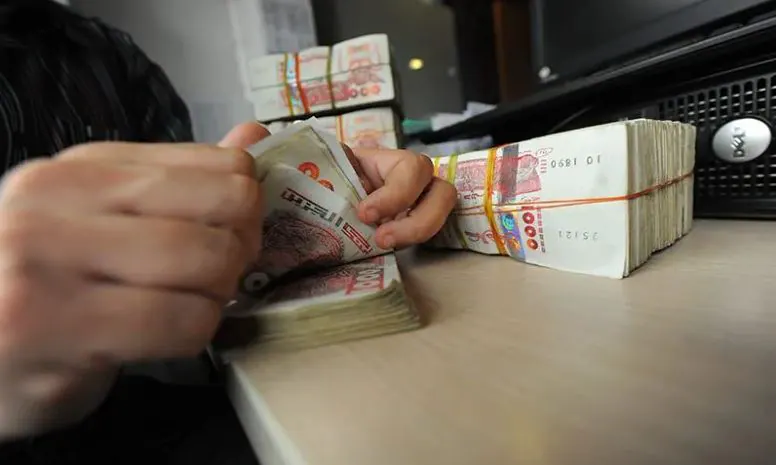
The Algerian Ministry of Interior and Local Communities has issued a circular to governors of various provinces, dated October 4, 2026, outlining procedures for preparing lists of beneficiaries for the Ramadan solidarity grant. The grant, valued at 10,000 Algerian dinars, aims to support low-income families during the holy month of Ramadan. To ensure the assistance reaches those who genuinely need it, the ministry has mandated field investigations to verify the social and economic status of applicants.
Local teams have been tasked with conducting these investigations since the submission of applications, equipped with necessary resources to carry out their duties. A report will be compiled for each investigation, and individuals found ineligible will be removed from the list. The ministry emphasized that beneficiaries of the Ramadan grant will also undergo social and field investigations to confirm they still meet the eligibility criteria.
The process involves the establishment of local investigation teams by heads of municipal popular assemblies, through a decision that defines their composition and tasks. These teams will verify the real social situation of grant applicants before preparing initial lists. The municipal social activity office will then prepare a list of applicants, accompanied by investigation results, for review by the municipal committee responsible for organizing the solidarity process.
The municipal committee will study the files, prepare lists of accepted and rejected applicants, and approve the list of eligible beneficiaries. Rejected applicants will be informed through digital platforms and designated public areas, allowing them to submit appeals. The committee will review appeals, make decisions, and finalize the list of beneficiaries, which will then be endorsed by the municipality.
Financially, the ministry has stressed the importance of recording the grant amount in the 2026 financial budget, in line with the framework memorandum No. 02 dated September 15, 2026. Local communities are encouraged to contribute to financing the process by allocating funds from their budgets, while monitoring the financial situation to ensure liquidity for grant disbursement.
The ministry has also highlighted the need to consider a potential increase in beneficiaries due to the recent rise in the national minimum wage from 20,000 to 24,000 Algerian dinars. The grant amount of 10,000 Algerian dinars will be paid to eligible heads of families before the start of Ramadan, emphasizing the importance of successful implementation and timely distribution.
Key to the program's success is the rigorous verification process, ensuring the grant benefits only those who are genuinely in need. By taking a thorough and transparent approach, the Algerian government aims to make a meaningful impact on the lives of low-income families during Ramadan.
Key points
- The Ramadan grant program involves thorough field investigations to verify applicants' eligibility.
- Local communities are encouraged to contribute to financing the process.
- The grant amount is 10,000 Algerian dinars per eligible family.