Algeria's Minister of Health, Professor Mohamed Seddik Ait Masoudan, has officially launched the National Reference Guide for Health Equipment. This strategic move is part of the ministry's efforts to modernize the management of health equipment, standardize the determination of needs, and rationalize public spending. The guide will help improve the quality of health services and enhance patient care.
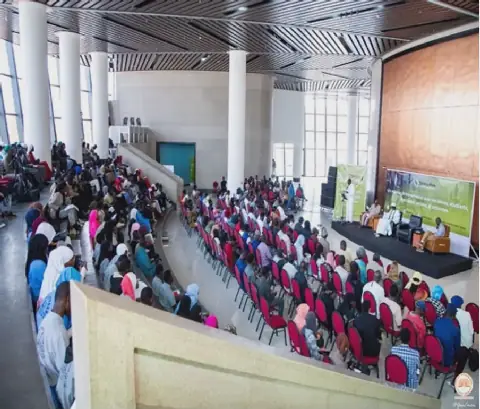
The launch event was attended by the Chairman of the Health, Social Affairs, Labor, and National Solidarity Committee of the National People's Assembly, Professor Habib Dawaqui, as well as representatives from national institutions, health and population directors from various provinces, and medical experts. The guide was developed by the General Directorate of Pharmacy and Health Equipment, with contributions from experts and practitioners from various specialties.
The National Reference Guide for Health Equipment covers 38 medical specialties and eight transversal technical poles, including 716 types of health equipment and 1,403 uses. It outlines the required equipment for each specialty and level of care, as well as the conditions for installation, operation, and maintenance. The guide categorizes equipment into four levels of care, ensuring that they are compatible with the nature and tasks of each health institution.
The guide aims to rationalize public spending by adopting a life-cycle cost approach, which includes installation, maintenance, spare parts, consumables, and training. This approach will enable the transition from responding to purchase requests to evaluating needs and justifying them based on clear scientific and technical criteria. The guide will also help standardize decision-making at the national level.
The launch of the guide is part of a comprehensive vision that integrates institutional organization, digitalization, and standardization of procedures. This vision aims to ensure transparency, clarify responsibilities, and enhance coordination between different levels of management. The guide will be updated regularly to reflect the latest scientific and technical developments.
The digitalization of health equipment management is a key aspect of this initiative, with the "SMES" platform for monitoring and maintaining health equipment already operational. The platform provides a national atlas of health equipment and a map of its distribution and operational status. This will help identify areas of shortage and dysfunctions, providing accurate data to support the development of the national health map.
The implementation of the guide will be accompanied by the issuance of a decree regulating the organization and operation of the National Device for the Management, Monitoring, and Evaluation of Health Equipment. This device will be based on three integrated levels, including committees for equipment at the level of health institutions, provincial health and population directorates, and the National Committee for the Management and Monitoring of Health Equipment.
Key points
- The National Reference Guide for Health Equipment aims to standardize the determination of needs and rationalize public spending on medical equipment.
- The guide covers 38 medical specialties and includes 716 types of health equipment and 1,403 uses.
- The digitalization of health equipment management will help identify areas of shortage and dysfunctions, and provide accurate data to support the development of the national health map.