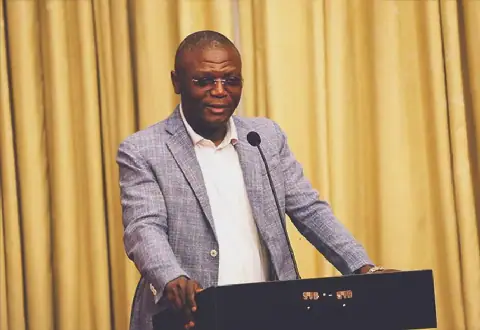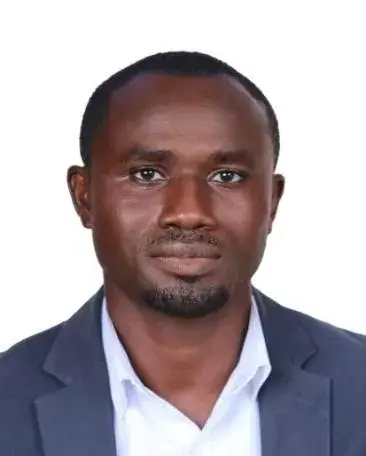
Algeria has taken a significant step in engaging its diaspora scientists with the creation of the High Council of Algerian Scientists Abroad. This move is expected to harness the expertise of Algerian professionals worldwide, contributing to the country's development. The council, comprising 39 members, held its inaugural meeting in Algiers in June. Notable figures such as Belkacem Haba, Yasmine Belkaid, Elias Zerhouni, and Karim Zeghib are among the council members.
The council's establishment marks a new era in Algeria's approach to utilizing the skills of its expatriated citizens. The members, recognized for their achievements in various scientific fields, have expressed their eagerness to contribute to Algeria's progress. They emphasize the importance of humility and complementarity, acknowledging the existing competencies within the country. This approach is seen as a promising step towards achieving success and satisfaction.
In September, the council members met with President Abdelmadjid Tebboune, highlighting the government's commitment to this initiative. The council is envisioned as a catalyst for creating networks and fostering cooperation between Algerian scientists abroad and those within the country. Elias Zerhouni, the council's coordinator, noted that there are thousands of Algerian brains abroad, and this council represents just the beginning.
Council members have praised Algeria's potential, citing its natural resources and human capital. Karim Zeghib emphasized that the country has an exceptional ecosystem, with a young and talented population. He stressed that the goal is to collaborate with local competencies, not replace them. By working together, they aim to drive progress in various fields.
The council members have impressive credentials, with many having held top scientific positions abroad. Belkacem Haba is renowned for his numerous patents in the United States, while Elias Zerhouni served as the director of the National Institutes of Health under President Bush. Yasmine Belkaid is currently the director-general of the Pasteur Institute in Paris. Despite their achievements, they have expressed a desire to give back to Algeria.
The council's establishment has been welcomed by the scientific community, with many seeing it as an opportunity for Algeria to tap into the expertise of its diaspora. The initiative is expected to create a positive impact on the country's development, particularly in fields such as education, healthcare, and technology. By leveraging the skills of its diaspora scientists, Algeria aims to accelerate its progress.
The High Council of Algerian Scientists Abroad is set to play a crucial role in shaping the country's scientific and economic future. With its members' expertise and commitment, the council is poised to make a meaningful contribution to Algeria's development. The government's support for this initiative underscores its dedication to harnessing the potential of its diaspora for the nation's benefit.
Key points
- Algeria establishes a high council for its diaspora scientists to leverage their expertise for national development.