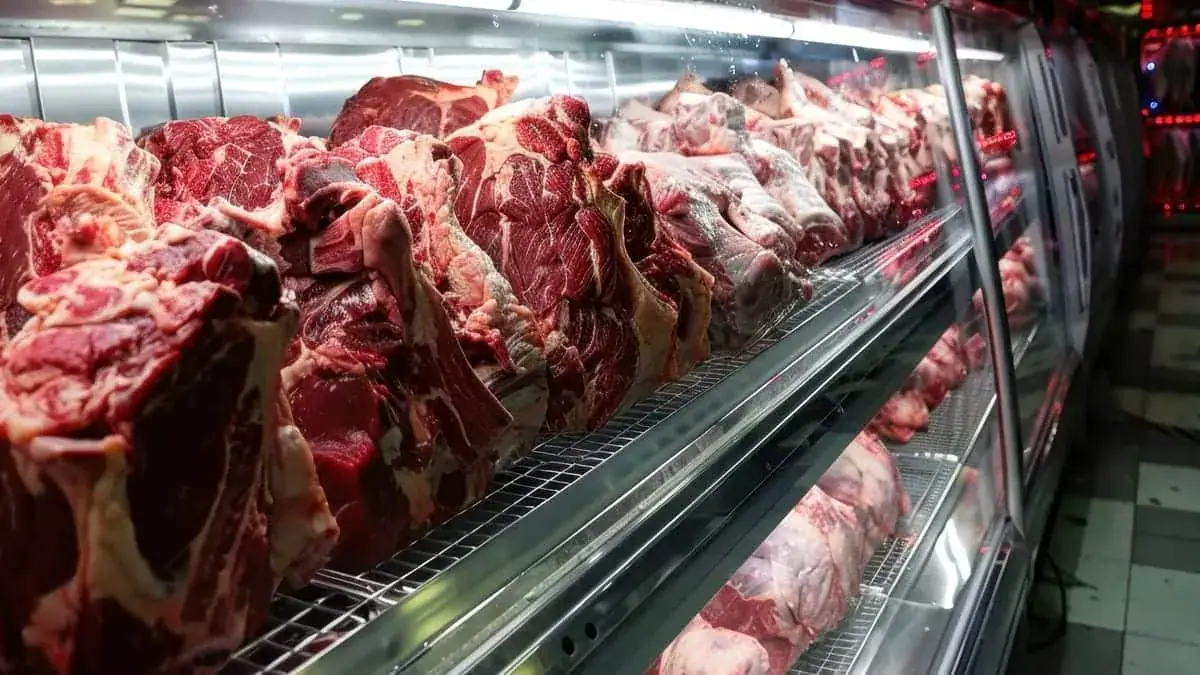
The Algerian government has introduced new regulations for importing halal meat, requiring certification from the Grand Mosque of Paris (GMP) or one of its authorized offices in the exporting country. This move aims to ensure the authenticity of halal products entering the country. According to a note from the inspection at the port of Béjaïa, operators and their representatives must comply with these regulations to avoid delays in import procedures.
The GMP has had the exclusive right to certify halal products imported into Algeria from France or other countries since December 2022. This exclusivity was granted by the Ministry of Foreign Affairs and Wakfs. The new regulations emphasize the importance of accurate certification, including the specification of the animal type and sex. Importers must ensure that certificates contain the name or business name of the importer in Algeria.
The regulations have been in effect since June 2023, but the Ministry of Domestic Trade and Market Regulation has recently reminded economic operators of their obligations. A list of authorized offices has been provided to facilitate compliance. The move has been met with criticism in France, with some accusing the GMP of establishing a lucrative financial system.
The new requirements are part of Algeria's efforts to regulate its imports and ensure compliance with Islamic law. The country's authorities have been working to streamline import procedures while maintaining strict controls on product authenticity. Economic operators are advised to verify the authenticity of certificates before submitting them to control services.
The introduction of these regulations may impact Algeria's meat import industry, potentially affecting prices and availability. The country's importers will need to adapt to the new requirements, which may involve additional costs and bureaucratic procedures. The Algerian government aims to balance the needs of its population with the requirements of international trade.
The Grand Mosque of Paris has maintained its role in certifying halal products for the Algerian market. The institution has been working to ensure that products meet Islamic standards, providing assurance to consumers. The mosque's involvement in the certification process has been seen as a way to promote trust and transparency in the halal industry.
The new regulations on halal meat imports reflect Algeria's ongoing efforts to regulate its trade and ensure compliance with Islamic law. The country's authorities will continue to monitor the implementation of these regulations, working to balance the needs of importers, consumers, and the broader economy.
Key points
- Algeria now requires halal meat imports to be certified by the Grand Mosque of Paris or its authorized offices.
- The certification must include the type and sex of the animal, as well as the importer's name or business name.
- The regulations aim to ensure the authenticity of halal products entering Algeria.