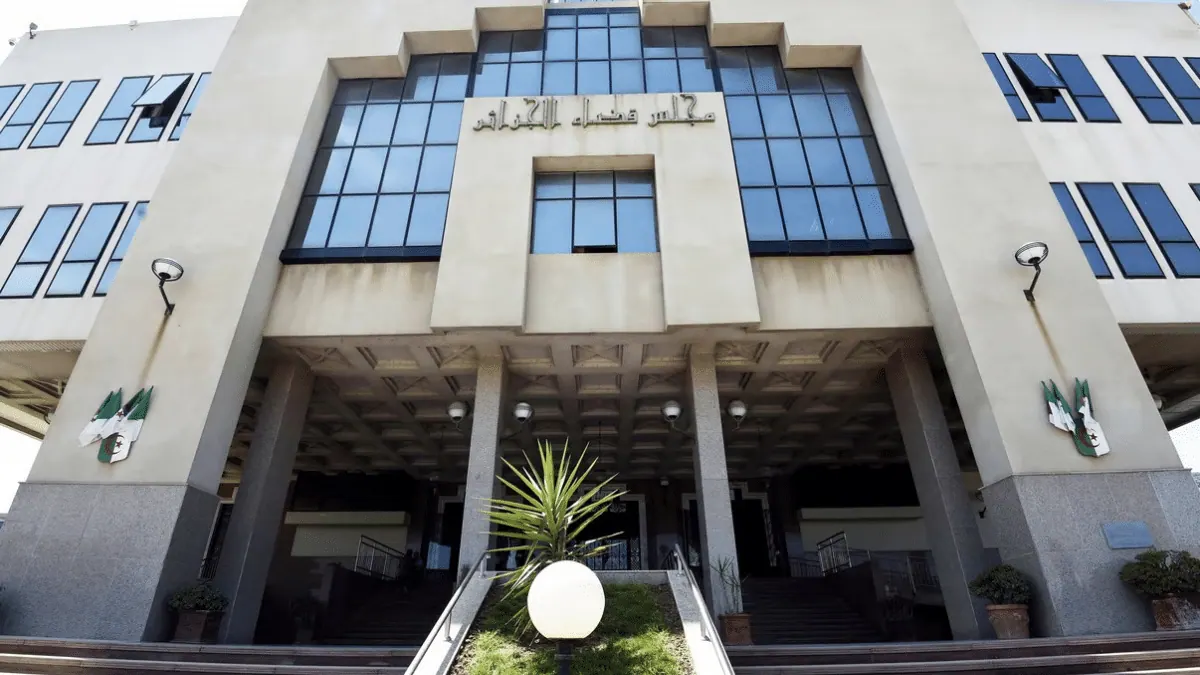
In a significant move to combat drug trafficking, Algeria has handed down its first death sentences to individuals involved in the narcotics trade. On October 5, the Algiers criminal court sentenced nine people, six of whom were convicted in absentia, to death for their roles in trafficking 113 kilograms of cocaine and over 225,000 tablets of pregabalin, a psychoactive substance. This development comes as part of the country's efforts to enforce its anti-drug legislation.
The case, which dates back to September 2025, involves a network of 16 individuals, including a Guinean national. The main accused is a 22-year-old, and nine people were arrested and brought before the justice system. The defendants were charged with various crimes, including importing, transporting, and storing hard drugs and psychotropic substances as part of a criminal organization, with the aim of harming national security and disrupting public order.
The trial was conducted under the provisions of Law 25-03, which was enacted on July 1, 2025, and relates to the prevention of the consumption of narcotics and psychotropic substances and the fight against their illicit use and trafficking. This law reflects Algeria's commitment to addressing the drug problem through stringent measures. The quantities of drugs seized were substantial, highlighting the scale of the narcotics trade that Algeria is seeking to combat.
Algeria has recently toughened its anti-drug legislation and taken steps to enhance its response to drug trafficking. The decision to establish a high-security prison in the Tanezrouft desert for narcotraffickers was made to underscore the government's resolve to tackle the issue. This move is part of a broader strategy to prevent drug consumption and trafficking, reflecting a more aggressive approach to dealing with narcotics offenses.
The use of the death penalty for certain crimes, including drug trafficking, marks a significant shift in Algeria's penal policy. The country had been under a moratorium on the execution of the death penalty since 1993. However, in a move to strengthen its legal framework against serious crimes, the National People's Assembly adopted a bill amending the Penal Code to reintroduce the death penalty for specific offenses, including voluntary arson and child abduction.
The Algerian authorities have been working to enhance security and curb illegal activities, including drug trafficking, which poses a threat to national security and public order. The sentencing of individuals involved in the narcotics trade to death reflects the government's commitment to enforcing its laws and protecting its citizens from the dangers associated with drug use and trafficking.
The fight against drug trafficking in Algeria is part of a broader regional and international effort to combat narcotics trade. The country's actions demonstrate its role in addressing a problem that affects not only its own population but also the wider region. By taking a firm stance on drug trafficking, Algeria aims to contribute to global efforts to reduce the flow of narcotics and mitigate their impact on society.
Key points
- Algeria sentences nine individuals to death for drug trafficking, marking a significant step in its efforts to combat narcotics trade.