A recent report by the Spanish newspaper "El Independiente" has highlighted a significant shift in the migration landscape, with Algeria emerging as the primary launchpad for irregular migration to Europe. The report, based on analysis by the Spanish Institute for Migration Analysis (IEAM), reveals that Algeria has surpassed other countries in the region to become the top source of migrants heading to Spain. This development has raised concerns about the country's role in managing its borders and its relationship with European nations.
According to data from the European Agency for Border and Coast Guard (Frontex) and the International Organization for Migration (IOM), there was a 27% increase in detections and interceptions on the Western Mediterranean route in 2025. The majority of these migrants originated from Algeria, with many heading to Spain's shores, particularly the Balearic Islands, Alicante, Murcia, and Almeria. This has led to questions about the Algerian government's ability to control its borders and its willingness to cooperate with European authorities.
The Algerian government's approach to migration has been criticized for its inconsistency. While the country has taken a hardline stance on its southern borders with Niger and Mali, enforcing strict military control and forcibly deporting African migrants into the Sahara Desert, its northern borders have been characterized by a lack of effective control. This has created an environment in which human traffickers can operate with relative ease, using Algeria as a transit point for migrants heading to Europe.
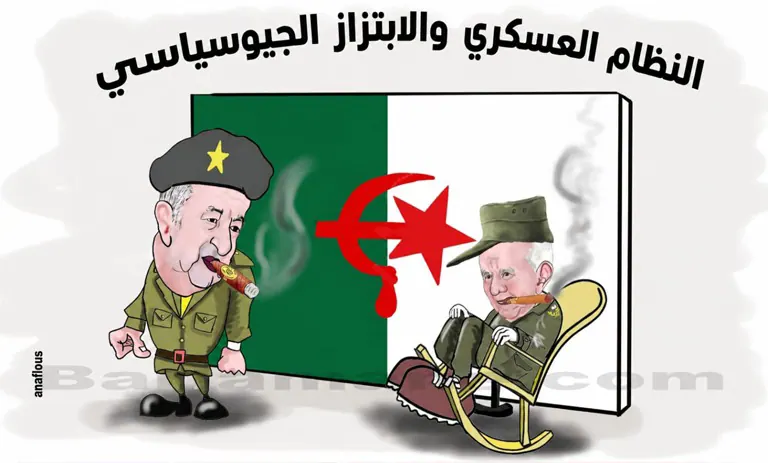
The diplomatic tensions between Algeria and Spain have been cited as a factor in the surge in irregular migration. The two countries have had a strained relationship since 2022, when Spain's government supported Morocco's position on the Western Sahara issue. This has led to allegations that Algeria is using migration as a tool of pressure against Spain, with migrants being used as leverage to extract concessions from the Spanish government.
In contrast to its approach with Spain, Algeria has developed a strong partnership with Italy on migration and energy issues. Italy has become a major beneficiary of Algerian gas exports, and in return, has offered to support Algeria's efforts to manage its borders and combat terrorism. This has led to accusations that Algeria is selectively enforcing its borders, using migration as a bargaining chip to extract favorable deals from European countries.
The humanitarian consequences of Algeria's approach to migration have been severe. Many migrants attempting to cross the Mediterranean from Algerian shores face significant risks, including exploitation by human traffickers and the threat of death at sea. The international community, including the European Union, has been criticized for its failure to address the root causes of migration and to hold countries like Algeria accountable for their role in managing migration flows.
The situation highlights the need for a more comprehensive and coordinated approach to migration management in the region. This will require European countries, including Spain and Italy, to work together with North African nations like Algeria to address the root causes of migration and to develop effective strategies for managing borders and combating human trafficking. Ultimately, a more effective and humane approach to migration will require a commitment to cooperation, dialogue, and a shared responsibility for addressing the complex challenges facing the region.
Key points
- Algeria has become a major hub for irregular migration to Europe, with over 75% of irregular sea crossings in the Western Mediterranean originating from its shores in 2025.
- The Algerian government's approach to migration has been criticized for its inconsistency, with a hardline stance on southern borders and a lack of effective control on northern borders.
- The diplomatic tensions between Algeria and Spain have been cited as a factor in the surge in irregular migration, with allegations that Algeria is using migration as a tool of pressure against Spain.