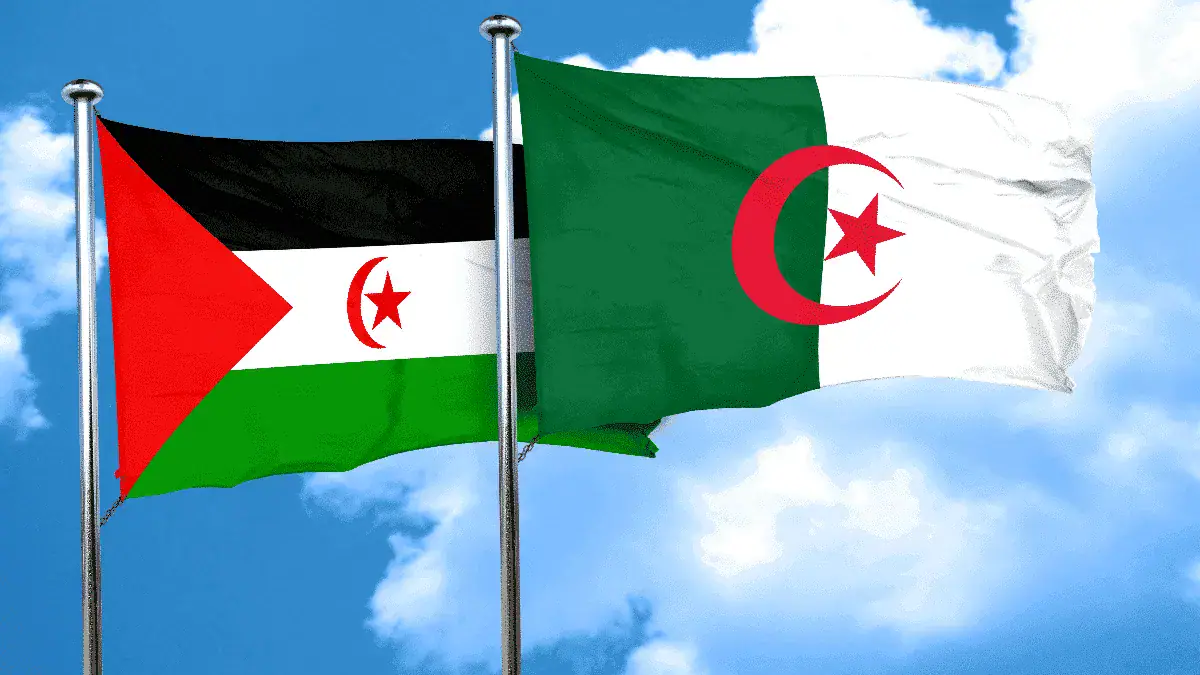
The Algerian government has expressed its deep regret over the non-renewal of the mandate of the United Nations Mission for the Referendum in Western Sahara (MINURSO). This decision came after the US resolution on Western Sahara and the renewal of the MINURSO mandate was rejected by the Security Council due to a Russian veto. Algeria attributes the failure to the "excessive partiality" of the US resolution.
According to the Algerian government, the US resolution was heavily biased in favor of Morocco, to the detriment of the Polisario Front. The government stated that the resolution's extreme bias made it impossible to serve as a basis for a just and lasting solution to the Western Sahara conflict. Algerian Foreign Minister Ahmed Attaf had previously warned Security Council members about the serious consequences of adopting a resolution that would legitimize Morocco's claimed sovereignty over Western Sahara.
The Algerian government criticized the final version of the US resolution, saying it undermined the right to self-determination by only considering Morocco's autonomy plan under its claimed sovereignty. The government argued that this approach severely limited the options available to both parties and prejudged the outcome of the political process. The removal of the letter "R" (referendum) from the MINURSO acronym was seen as a concerning political signal.
The Algerian government also noted that the US resolution excluded the Polisario Front, the recognized representative of the Sahrawi people, from submitting its own ideas for a solution to the conflict. Algeria believes that the US resolution aimed to transform the Western Sahara conflict from a decolonization issue into a humanitarian problem. The government emphasized that a lasting solution to a decolonization issue is inextricably linked to the exercise of the right to self-determination.
Algeria reiterated its commitment to a just, lasting, and mutually acceptable political solution that guarantees the Sahrawi people's right to self-determination. The government stated that the US resolution distorted the decolonization process, legitimized the acquisition of territory by force, and undermined the right to self-determination. As a result, Algeria believes the resolution could not serve as a framework for productive negotiations or contribute to regional security and stability.
The Algerian government's reaction was sparked by the US resolution's failure to address the Western Sahara conflict in a balanced manner. Algeria's concerns were echoed in letters sent by Foreign Minister Ahmed Attaf to Security Council members, warning them of the risks associated with adopting a biased resolution. The government's statement concluded by emphasizing its dedication to finding a solution that respects the Sahrawi people's right to self-determination.
The non-renewal of the MINURSO mandate and the rejection of the US resolution have significant implications for the Western Sahara conflict. Algeria's reaction highlights the challenges of finding a lasting solution to the issue, which has been a point of contention for decades. The situation remains complex, with multiple parties involved and competing interests at stake.
Key points
- Algeria criticizes US resolution on Western Sahara as biased towards Morocco.
- US resolution undermines right to self-determination, says Algeria.
- Algeria reiterates commitment to just and lasting solution for Western Sahara conflict.