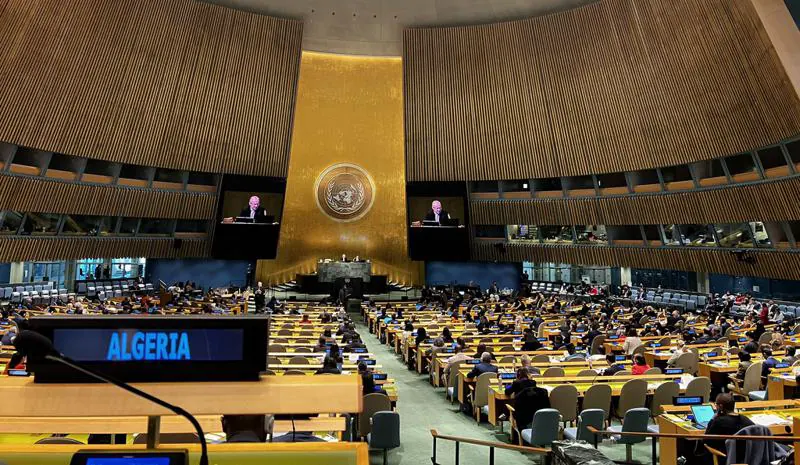
The UN Human Rights Council has adopted a resolution on artificial intelligence (AI) and human rights, with Algeria playing a significant role in its development. The resolution, titled "Implications of Artificial Intelligence for the Promotion and Protection of Human Rights," aims to prioritize human rights in the international discussion on AI technologies. This move highlights the importance of protecting human dignity, reducing the risks of discrimination, and ensuring that humans remain in control of AI development and use.
The resolution was adopted during the 63rd session of the UN Human Rights Council, with Algeria, along with other countries, contributing to its development. The text is the first to directly address the impact of AI on the promotion and protection of human rights. It emphasizes the need to mitigate risks associated with AI, such as discrimination, privacy violations, and unlawful surveillance. By adopting this resolution, the international community underscores the significance of balancing the benefits of AI with human rights protection.
Algeria's role in the development of this resolution is a testament to its commitment to promoting human rights and its active engagement in global governance on AI. The country has consistently advocated for the priorities of developing nations within international forums. This resolution reflects Algeria's dedication to fostering a balanced approach that harnesses the potential of modern technologies while safeguarding human rights.
The resolution was proposed by Bangladesh on behalf of a core group consisting of Algeria, Austria, Bangladesh, Egypt, Greece, Guyana, and Nepal. Its adoption demonstrates the collaborative efforts of the international community to address the challenges and opportunities presented by AI. By working together, countries can ensure that AI development and deployment align with human rights standards.
The adoption of this resolution also highlights Algeria's influential presence in global AI governance, reflecting its commitment to multilateralism and international cooperation based on sovereign equality and solidarity among nations. This development is seen as a positive step towards ensuring that AI technologies are developed and used in ways that respect and promote human rights.
The UN Human Rights Council's decision to adopt this resolution by consensus underscores the international community's recognition of the need for a coordinated approach to AI and human rights. This approach will help in addressing the potential risks associated with AI and in maximizing its benefits for human rights promotion and protection.
Moving forward, the implementation of this resolution will require continued collaboration among UN member states, international organizations, and other stakeholders. Algeria's contribution to this effort demonstrates its leadership in promoting a human-centered approach to AI development and use, one that prioritizes human rights, dignity, and well-being.
Key points
- The UN Human Rights Council adopts a resolution on AI and human rights with significant contributions from Algeria.
- The resolution aims to prioritize human rights in the international discussion on AI technologies.
- Algeria's role in the resolution's development reflects its commitment to promoting human rights and engaging in global AI governance.