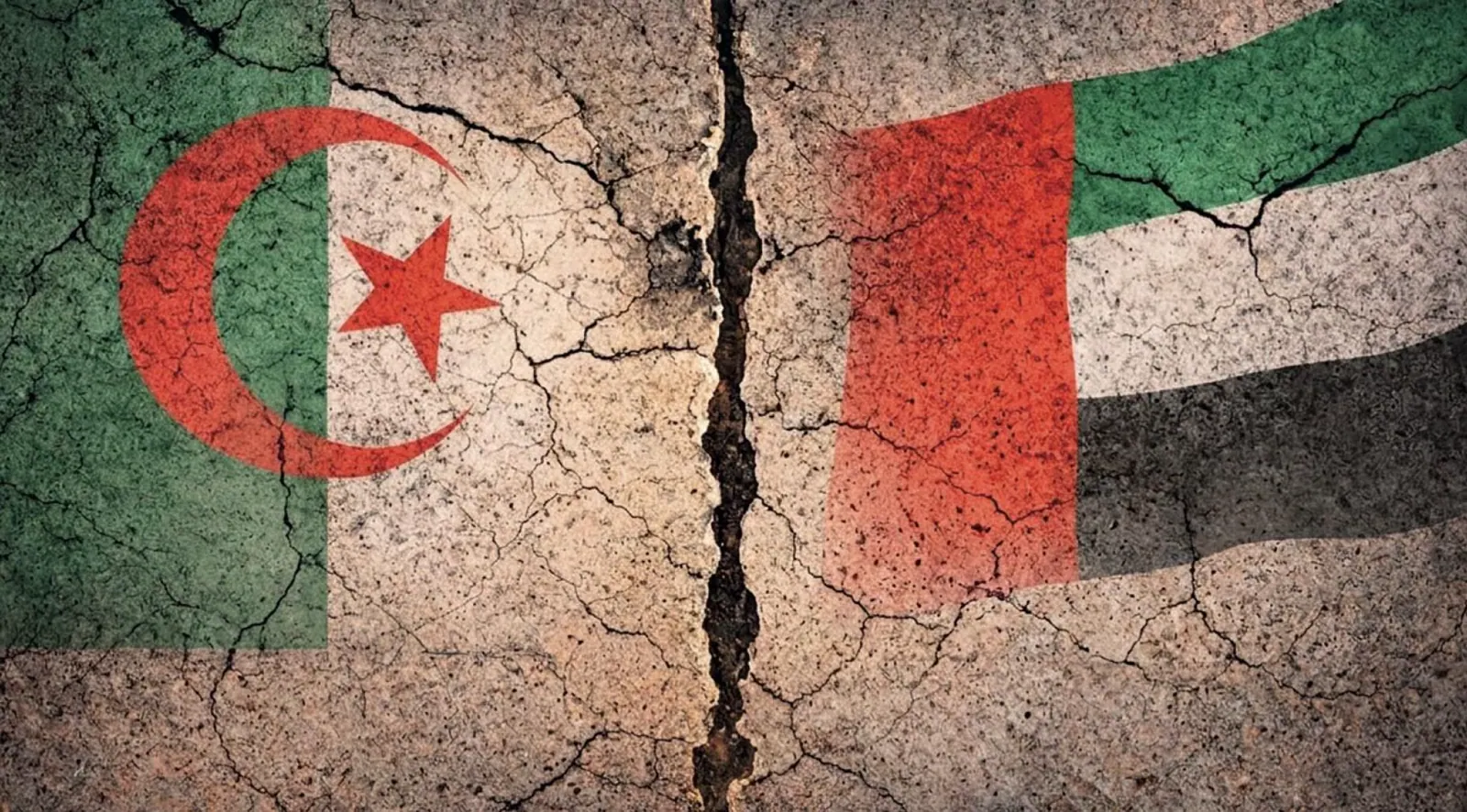
Algeria's decision to sever diplomatic ties with the United Arab Emirates (UAE) on September 10, 2026, was not a reaction to a single incident, but rather the culmination of a process of disengagement that had been ongoing for at least 20 months. The Algerian government's statement cited "repeated provocative and hostile actions" by the UAE, but did not specify any particular incident. This deliberate vagueness suggests that the grievances are structural rather than event-driven.
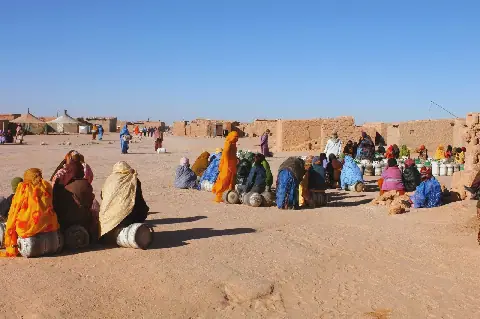
The rift between Algeria and the UAE has been building over several issues, including the Western Sahara conflict. The UAE was the first Arab state to open a diplomatic mission in Laâyoune, Morocco, in November 2020, effectively recognizing Moroccan sovereignty over the disputed territory. This move was followed by significant investments in Morocco, including a $14 billion deal in May 2025 to develop a corridor of high-voltage electricity transmission lines linking Western Sahara to Casablanca.
Algeria views the UAE's actions in the Sahel region as a threat to its strategic interests. The UAE's expansion in the region contradicts Algeria's doctrine of non-interference, mediation, and regional solutions. In May 2025, the UAE's Sheikh Shakhboot ben Nahyan visited countries of the Alliance of Sahel States, followed by a strategic visit by Libyan commander Saddam Haftar to Niger. Algeria sees this as an attempt to encircle its influence and reorient energy flows towards the Atlantic.
The UAE's actions in Sudan and Libya have also contributed to the tensions with Algeria. Algerian President Abdelmadjid Tebboune's comments about bloodshed in Sudan directly referenced the UAE's involvement in the conflict. UN experts have investigated links between the UAE and arms seized in Darfur, Sudan. Algeria also has concerns about the UAE's involvement in Libya, where it has supported certain factions.
The timing of Algeria's decision to sever ties with the UAE was influenced by the public rift between Riyadh and Abu Dhabi, which removed a constraint on Algeria's actions. The UAE had been a key player in the Arab League, and Algeria had previously delayed taking action against the UAE due to a sense of solidarity with other Arab states.
The crisis between Algeria and the UAE has sparked international reactions, with Oman offering to mediate. The UAE responded to Algeria's decision with a carefully calibrated statement, hoping that the decision would be temporary and preserve "fraternal ties". The Algerian government's decision to close its airspace to UAE-registered aircraft, with some exceptions, has significant implications for the aviation industry.
The diplomatic crisis between Algeria and the UAE has significant implications for regional dynamics. The UAE's expansion in the Sahel and its involvement in conflicts in Sudan and Libya have created tensions with Algeria, which views these actions as a threat to its influence and strategic interests. The crisis also highlights the complex relationships between countries in the region and the role of external powers.
Key points
- Algeria severed diplomatic ties with the UAE due to grievances over Western Sahara, the Sahel region, and involvement in Sudan and Libya.
- The UAE's expansion in the Sahel region contradicts Algeria's doctrine of non-interference and mediation.
- The crisis between Algeria and the UAE has significant implications for regional dynamics and the role of external powers.