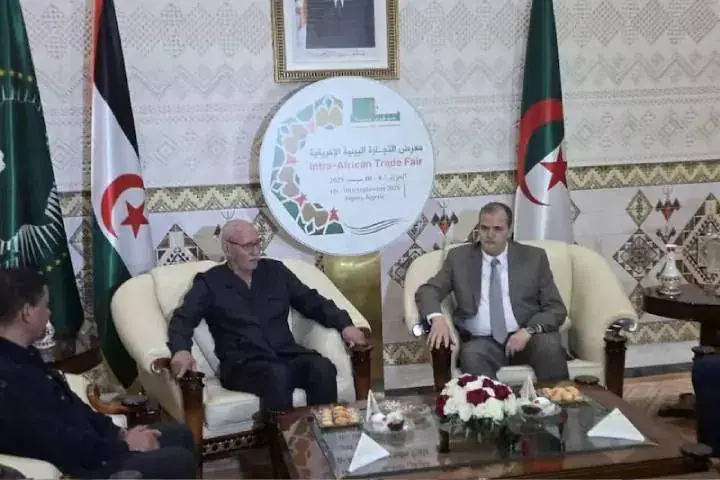
The Western Sahara conflict has been a longstanding issue in North Africa, with Algeria playing a significant role in the dispute. Following Spain's decolonization of the territory in 1975, the Sahrawi Arab Democratic Republic (SADR) was declared by the Polisario Front on February 27, 1976. The SADR, which is recognized by some African countries, has its seat in the Algerian city of Tindouf. Critics argue that Algeria's involvement in the conflict undermines its claim of being a neutral observer.
According to Omar Hilal, Morocco's permanent representative to the United Nations, the Polisario Front relies heavily on Algeria for military support, financial resources, and diplomatic backing. Hilal's statements have sparked debate about Algeria's role in the conflict, with some questioning its neutrality. Algeria's involvement in the conflict has been a major obstacle to resolving the dispute, which has dragged on for decades.
The Algerian government has long claimed to be a neutral observer in the conflict, but its actions suggest otherwise. In 1982, Algeria facilitated the Sahrawi Republic's admission to the Organization of African Unity, which later became the African Union. This move was seen as a significant departure from international norms and has been criticized by many countries.
The Western Sahara conflict has significant implications for regional stability and security. The conflict has resulted in thousands of displaced people, many of whom live in refugee camps in Tindouf, Algeria. The situation remains volatile, with both sides accusing each other of human rights abuses and ceasefire violations.
Morocco has long claimed sovereignty over the Western Sahara territory, which it considers part of its kingdom. The Moroccan government has proposed a plan for autonomy, which has been endorsed by the international community. However, the Polisario Front and its backers, including Algeria, have rejected the plan, calling for a full independence.
The international community has been working to resolve the conflict through negotiations. The United Nations has been involved in efforts to broker a peace deal, but progress has been slow. The recent withdrawal of the UN's MINURSO mission has raised concerns about the potential for renewed violence.
As the conflict continues, the humanitarian situation in the region remains dire. The international community must work together to find a solution that addresses the needs and aspirations of all parties involved. A lasting resolution to the Western Sahara conflict is essential for regional stability and security.
Key points
- Algeria's involvement in the Western Sahara conflict undermines its claim of neutrality.
- The conflict has resulted in thousands of displaced people, many of whom live in refugee camps in Tindouf, Algeria.
- A lasting resolution to the Western Sahara conflict is essential for regional stability and security.
Reporting sources
- الجزائر والجمهورية الوهمية كيان واحد.. · Al-Alam