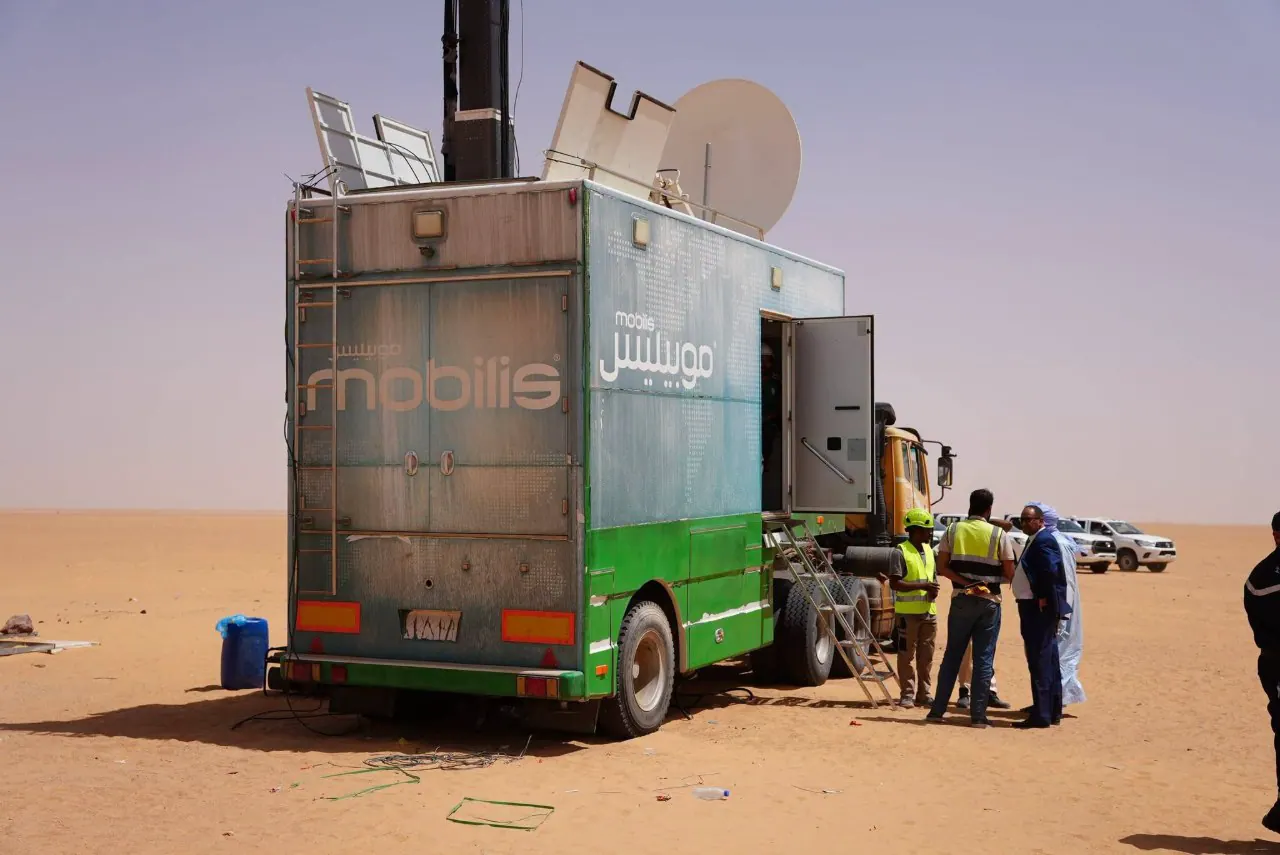
The launch of the fiber-optic cable project between Algeria and Niger has been hailed as a "strategic turning point" that will redefine the digital map of the Sahel region. The project, which was overseen by Algerian Minister of Post and Telecommunications, Ali Zrouqui, and his Nigerien counterpart, Hamanie Carnei, in the border town of Assamaka, marks a new path for high-speed internet flow between the two countries.
The project is expected to have a significant impact on the region, with analysts describing it as a "geo-digital corridor" that will reduce Niger's dependence on traditional routes and provide a reliable connection to international internet bandwidth. The fiber-optic cable will have an initial operating capacity of 100 gigabits, with plans to extend the network to cover the depth of the African Sahel region.
The project is a significant step towards integrating the Sahel region into the global digital economy, with experts hailing it as a major milestone in the development of the region's digital infrastructure. The launch of the project has been widely covered in regional media, with outlets such as "Sahel Voice" and "The African Tribune" highlighting its potential to transform the region's digital landscape.
The fiber-optic cable project is a key component of Algeria's efforts to establish itself as a major player in the region's digital economy. The country has been actively investing in its digital infrastructure, with a focus on expanding its fiber-optic network and improving internet connectivity across the region.
The project was made possible through an agreement between Algerian telecommunications company, "Algérie Télécom", and Nigerien telecommunications company, "Niger Telecom". The two companies have worked together to equip the fiber-optic cable with a high-capacity connection, which will enable the transmission of large amounts of data at high speeds.
The launch of the fiber-optic cable project has significant implications for the region, with experts predicting that it will have a major impact on the local economy and help to drive growth and development in the region. The project is also expected to improve internet connectivity for millions of people in the region, enabling them to access a wide range of digital services and applications.
The project is a major achievement for Algeria and Niger, and is seen as a key step towards achieving the region's digital development goals. The launch of the fiber-optic cable project marks a new era in the region's digital development, and is expected to have a lasting impact on the lives of people across the Sahel region.
Key points
- The fiber-optic cable project between Algeria and Niger has been launched, creating a digital corridor towards the coast and transforming the region's digital landscape.
- The project is expected to reduce Niger's dependence on traditional routes and provide a reliable connection to international internet bandwidth.
- The fiber-optic cable will have an initial operating capacity of 100 gigabits, with plans to extend the network to cover the depth of the African Sahel region.