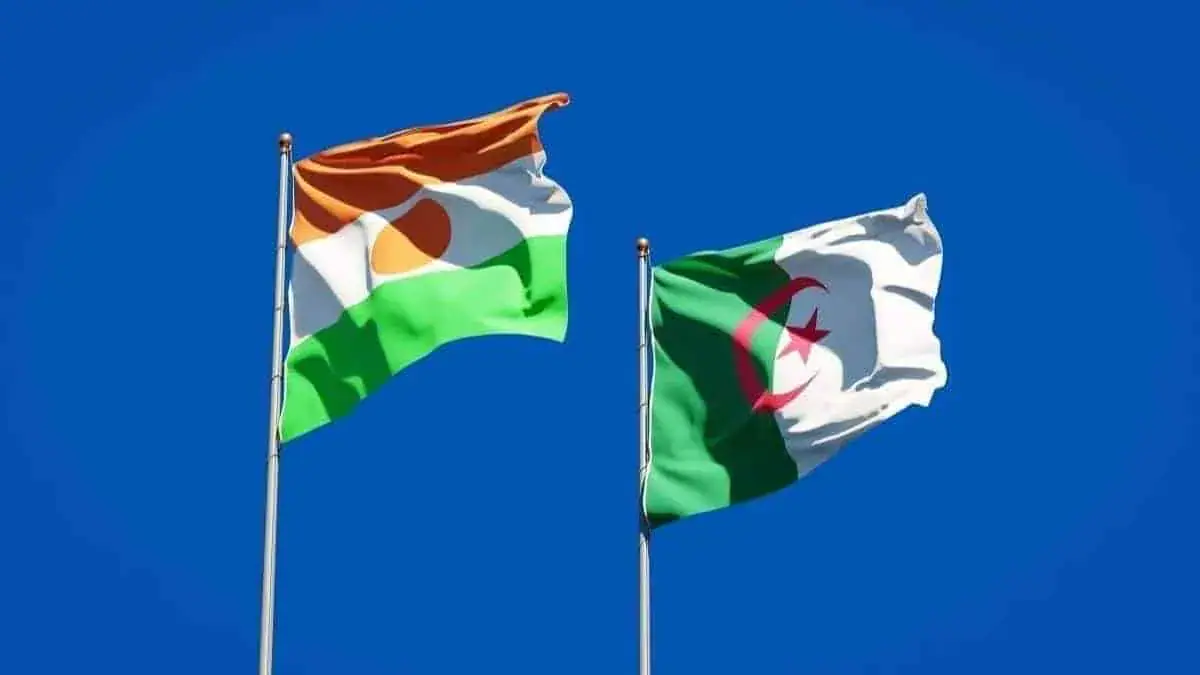
A recent program launched in Algeria to train 500 Nigerien youths has sparked a call for the Algerian and Nigerien governments to provide support for partnerships between small and medium-sized enterprises (SMEs) in both countries. The program, which was officially launched on October 3 in Boumerdès, aims to equip Nigerien youths with skills that can be used to develop their country's economy.
The training program offers an opportunity for Algerian SMEs to expand their business into Niger, but they require government support to overcome challenges such as organizing partnerships, addressing banking difficulties, and coordinating with administrations in both countries. Algerian SMEs can provide machines, training, and spare parts, but they need help to establish a local partner, maintain equipment, and ensure smooth payment processes.
The Nigerien authorities have announced plans to support the integration of trainees upon their return, but it is suggested that a more comprehensive approach be taken to associate Algerian SMEs with the professional projects of beneficiaries who wish to pursue them, with organized support from both governments. This could give the training program a broader impact and provide Algerian enterprises with a more solid framework for establishing partnerships.
To encourage Algerian SMEs to engage with the Nigerien market, the governments of both countries need to provide support for activities such as preparing partnerships, technical maintenance, and ensuring clear payment processes. A proposed pilot program could bring together training institutions, voluntary enterprises, and concerned financial institutions to support a few select projects.
The pilot program would require the designation of a responsible person from each side, a set calendar, and specific obligations for stakeholders. The Algerian government would focus on mobilizing SMEs, preparing technical partnerships, and examining export conditions, while the Nigerien government would concentrate on evaluating market opportunities, installation procedures, and authorizations.
Ensuring financing is also crucial before making commitments, and each project should specify start-up costs, partner contributions, and conditions for renewing supplies. Any potential public aid must be identified and authorized, and it is essential to distinguish between expenses related to cooperation and commercial activities.
The goal of such partnerships is to establish sustainable businesses that can generate revenue, rather than relying on artificial support. The regulations governing payment, such as the Banque d'Algérie's ruling on export earnings repatriation, also require attention to ensure smooth transactions between Algerian SMEs and their Nigerien partners.
Key points
- Algerian SMEs require government support to partner with Nigerien businesses and benefit from a program training 500 Nigerien youths.
Reporting sources
- Algérie – Niger : les PME ne peuvent pas avancer seules · tsa-algerie.com