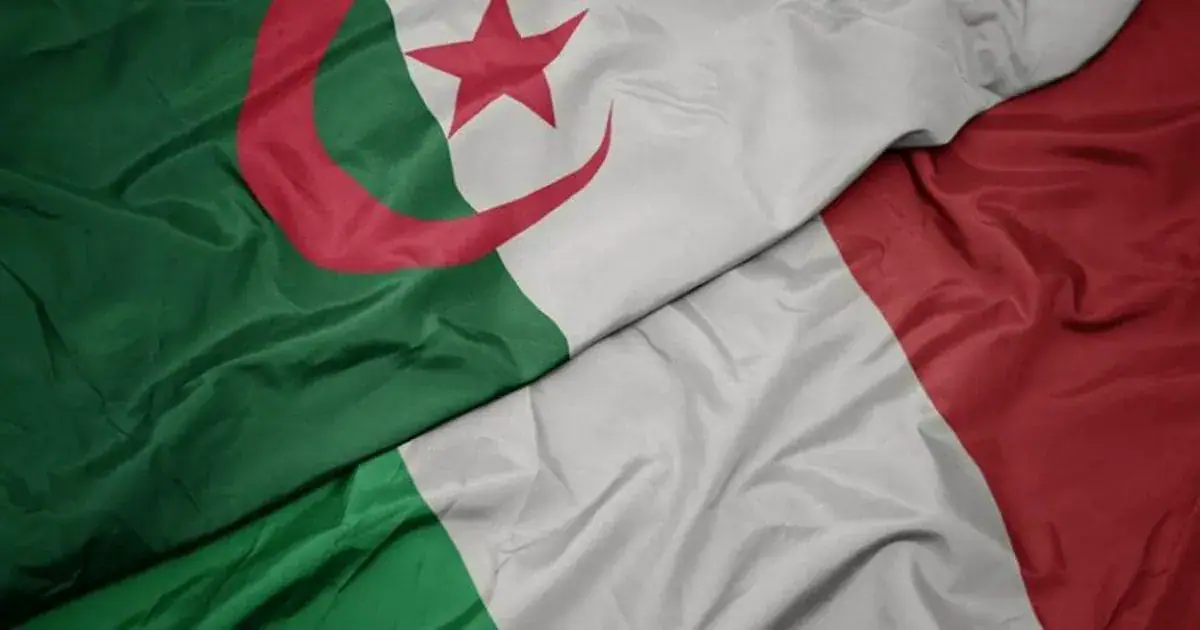
The Algerian and Italian governments are strengthening their economic partnership with a significant agro-industrial project in Timimoun, Algeria. The project, led by Italian group BF International, will span 36,000 hectares and focus on producing cereals and legumes, as well as establishing an integrated agri-food chain, including pasta production. This initiative marks a major milestone in the implementation of the Mattei Plan, a strategic framework for cooperation between Algeria and Italy.
The project has been hailed as the "first concrete initiative" of the Mattei Plan in Algeria by Algerian Ambassador to Italy, Mohamed Khelifi. Speaking at the "Approche Mattei 2026" forum in Rome, Khelifi emphasized the need for a more ambitious and effective cooperation between Algeria and Italy. He advocated for a partnership approach that fully involves African countries in defining and executing development priorities, rather than simply providing assistance.
The agro-industrial project in Timimoun is part of a broader effort to enhance economic cooperation between Algeria and Italy. The two countries are exploring opportunities for collaboration in various sectors, including energy, industry, agriculture, technology, and vocational training. Algerian companies, such as Sider, ENCC, and Alfapipe, will participate in a session dedicated to Algeria at the forum, aiming to identify new avenues for cooperation with Italian counterparts.
In the energy sector, Algeria and Italy are working on innovative projects, including the development of a green hydrogen corridor, known as "SoutH2," which will connect Algeria to European markets via Tunisia, Italy, Austria, and Germany. The two countries are also studying an electrical interconnection project across the Mediterranean. These initiatives aim to diversify energy cooperation beyond traditional natural gas exchanges.
The Centre d'excellence Enrico Mattei, currently under development in Sidi Bel Abbès, Algeria, will serve as a hub for training, research, and agricultural innovation with an African focus. The center will host students and professionals from Algeria and other African countries, promoting the transfer of skills and expertise. Algerian Ambassador Mohamed Khelifi stressed that the transfer of competencies and the valorization of human capital are essential for ensuring the sustainability of development projects.
Italian officials have emphasized the need to translate political dialogue into concrete actions. Fabrizio Lobasso, Italian Deputy Director-General for Economic Promotion and Internationalization, encouraged Italian companies to understand the priorities of their African partners and design projects tailored to local needs, supported by technology, expertise, and adequate financing. He highlighted the importance of moving from agreements and memoranda of understanding to tangible projects with measurable results.
The Algerian company SOMIZ, a subsidiary of Sonatrach, is seeking to consolidate its presence on the Italian market by targeting the Augusta refinery in Sicily, with the aim of becoming an approved supplier. This move is part of Sonatrach's efforts to expand its investments in Italy, including a €70 million environmental plan to reduce CO2 emissions and water consumption at the Augusta refinery.
Key points
- The $420 million agro-industrial project in Timimoun marks a significant milestone in Algeria-Italy economic cooperation under the Mattei Plan.