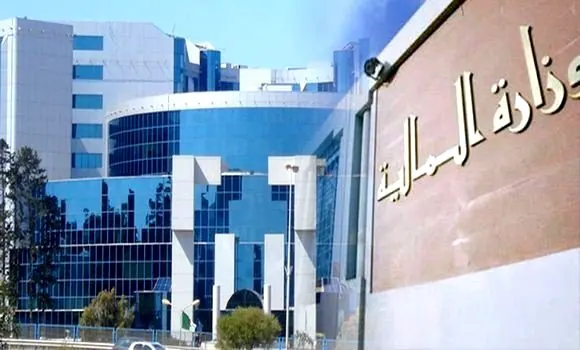
The Algerian government has announced plans to allocate 717.7 billion dinars in the 2027 budget to subsidize essential goods and services. This move aims to support the purchasing power of citizens and finance economic and social interventions. The subsidies will cover various products, including cereals, milk, desalinated water, and energy. The Office algérien interprofessionnel des céréales (OAIC) will receive the largest allocation, at 355.84 billion dinars.
The 2027 budget also includes measures to balance state finances, such as increasing taxes on several products. The government plans to raise taxes on cigarettes, alcoholic beverages, and potentially fuel. The vignette automobile will also be increased for certain categories of vehicles. For example, vehicles under three years old with a power output of 10 CV or more will be subject to a vignette of up to 40,000 DA.
The government aims to limit the consumption of products considered harmful to health through tax increases. The tax on cigarettes will rise from 75 to 85 DA per pack, generating an additional 16.5 billion DA in revenue. The increased tax revenue will be distributed among several beneficiaries, including the Fonds d'urgence et des activités de soins médicaux and the Fonds de lutte contre le cancer.
In addition to subsidy allocations and tax increases, the 2027 budget includes plans to create over 125,000 jobs. This will include filling 42,727 vacant positions and creating new jobs. The government also plans to increase the state's workforce by nearly 83,000 positions, from 2,898,814 in 2026 to 2,981,762 in 2027.
The budget also allocates significant funds for personnel expenses, with a projected 6,087 billion DA in 2027, representing 34% of the state's budget. This marks a 2.7% increase from 2026. The government has emphasized its commitment to supporting social welfare and economic development through its budget allocations.
The 2027 budget reflects the government's efforts to balance economic and social priorities. The state will maintain its intervention in setting prices for essential goods and services while pursuing a policy of social support. The budget also highlights the challenges facing the country's economy, including rising production costs and the need to adjust fuel prices.
Overall, the 2027 budget aims to support economic growth and social welfare in Algeria. The government's allocations for subsidies, job creation, and personnel expenses demonstrate its commitment to addressing the needs of citizens and promoting economic development. The budget's impact will depend on effective implementation and management of these initiatives.
Key points
- Algeria's 2027 budget allocates 717.7 billion dinars to subsidize essential goods and services.
- The government plans to create over 125,000 jobs in 2027.
- The budget includes measures to increase taxes on several products, including cigarettes and fuel.