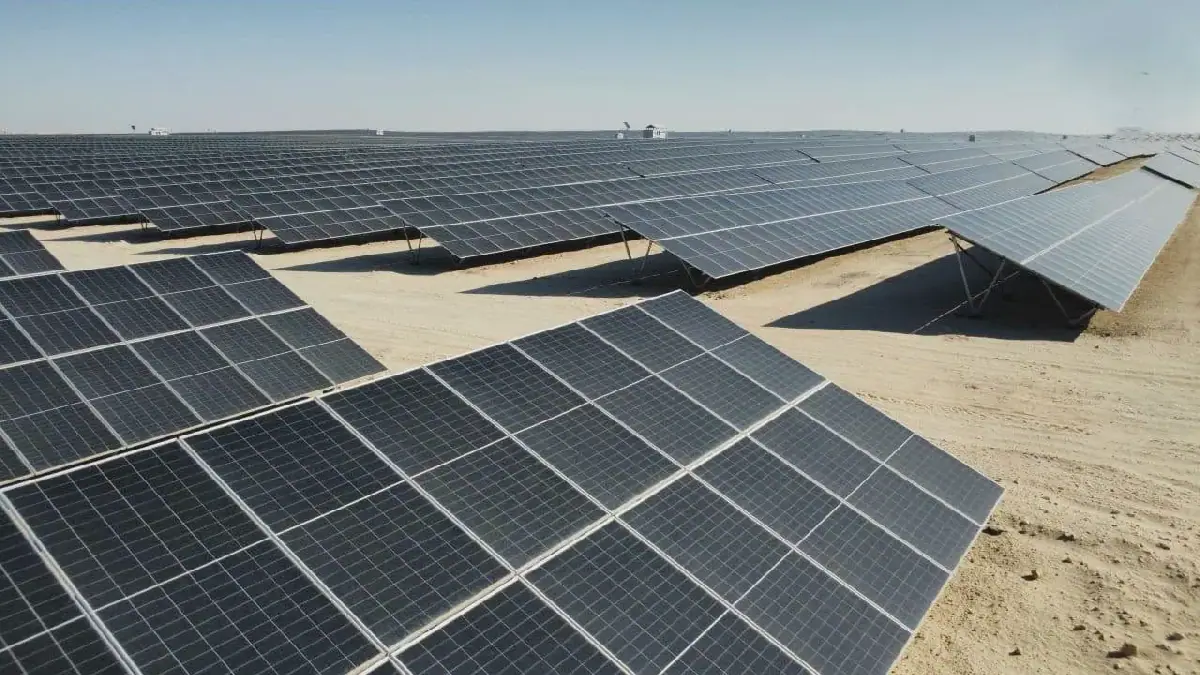
Algerian President Abdelmadjid Tebboune has announced a significant investment in the country's renewable energy sector. On October 27, 2026, during his address at the 8th Summit of Heads of State and Government of the Gas Exporting Countries Forum (GECF) in Moscow, Russia, Tebboune revealed that Algeria will allocate nearly $22 billion to its national renewable energy program. The program aims to produce 15,000 megawatts of renewable energy by 2035.
The investment is part of Algeria's efforts to transition to a more sustainable energy mix and reduce its carbon footprint. Tebboune emphasized that the country is committed to a just and orderly energy transition, balancing climate imperatives, national sovereignty, and energy security. He highlighted Algeria's ambition to become a major player in the hydrogen market, with the SoutH2 Corridor project being developed in partnership with European countries and Tunisia.
The renewable energy program is expected to play a crucial role in Algeria's economic development and energy security. Tebboune noted that the country has a long history of involvement in the energy sector, having built the world's first natural gas liquefaction complex in Arzew in 1964. Today, Algeria is among the top ten global producers of natural gas and the second-largest supplier of gas to the European Union via pipelines.
The Algerian president also emphasized the importance of natural gas in the energy transition, highlighting its role as a partner to renewable energy sources. He argued that natural gas can guarantee the stability of electrical systems, contribute to emission reductions, and prevent a return to more polluting energy sources. Tebboune called for a constructive dialogue to establish a consensual regulatory framework that ensures investment security and promotes sustainable development.
Tebboune also stressed the need for international cooperation to address the challenges facing the global energy market. He urged the GECF to play a more significant role in promoting the development and dissemination of technologies that reduce emissions, capture and utilize carbon, and improve energy efficiency. The Algerian president also highlighted the importance of stable regulatory frameworks and fair valuation of natural gas in long-term contracts.
Algeria's commitment to renewable energy is part of a broader strategy to diversify its economy and promote sustainable development. The country has launched several major projects, including the Gara Djebilet iron ore project and the integrated phosphate project, which aim to valorize Algeria's natural resources and strengthen its export capabilities. The trans-Saharan gas pipeline project, with an estimated annual export capacity of 30 billion cubic meters, is another significant initiative.
Algeria's efforts to transition to renewable energy and promote sustainable development have been recognized internationally. The country has reiterated its commitment to being a reliable and secure energy supplier, while also emphasizing the importance of cooperation and dialogue in addressing global energy challenges. With its significant investment in renewable energy, Algeria is poised to play a major role in shaping the future of the energy sector in Africa and beyond.
Key points
- Algeria commits $22 billion to renewable energy program aiming to produce 15,000 MW by 2035.
- The program aims to reduce Algeria's carbon footprint and promote sustainable development.
- Algeria aims to become a major player in the hydrogen market with the SoutH2 Corridor project.