Algerian Minister of Water Resources, Lounas Bouzegza, emphasized the need to increase the recovery and reuse of treated wastewater to provide an additional water source for development, particularly in the agricultural sector. The goal is to recover 60% of used water, in line with President Abdelmadjid Tebboune's instructions. This initiative aims to support the country's development needs.
During a meeting at the ministry, Bouzegza reviewed the current state of wastewater treatment systems, their exploitation, and efficiency. He also examined the quantities of treated and recovered water, ongoing projects, and new programs. Algeria currently has 237 wastewater treatment systems in operation, with 76 new systems under construction. This expansion will increase the country's wastewater treatment capacity.
The new systems will raise Algeria's total wastewater treatment capacity to 1.514 billion cubic meters per year, a 35% increase from current levels. Bouzegza stressed the importance of improving the efficiency of existing treatment systems, completing ongoing projects, and accelerating the launch of new ones. He also emphasized the need to ensure that treatment plants operate according to required standards.
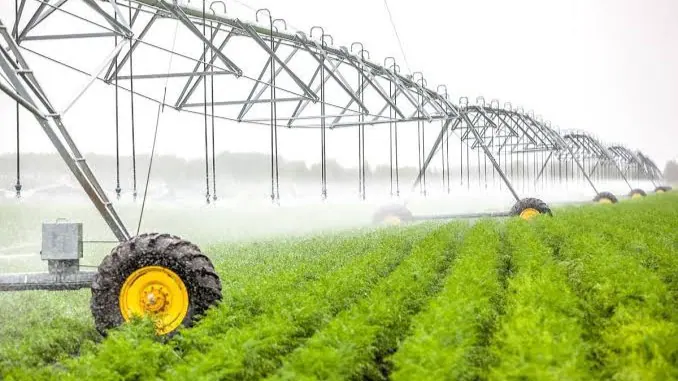
The minister instructed officials to improve the quality of treated water and enhance treatment levels, particularly through the widespread adoption of tertiary treatment. This will enable the reuse of treated water in agricultural irrigation, in line with international standards. Bouzegza also called for better coordination among stakeholders to identify needs and develop the use of treated water.
The meeting reflected on the outcomes of a recent Council of Ministers meeting, which focused on valorizing treated wastewater and expanding its reuse. The initiative aims to optimize this water resource, diversify water sources, and support sustainable development and water security. Algeria's agricultural sector is expected to benefit significantly from this effort.
By recovering and reusing treated wastewater, Algeria aims to reduce its reliance on conventional water sources and promote sustainable water management practices. The country's water resources are under pressure due to factors such as climate change, population growth, and urbanization. The government's efforts to invest in wastewater treatment and reuse are seen as crucial to addressing these challenges.
The successful implementation of this strategy will require effective coordination among various stakeholders, including government agencies, farmers, and local communities. Algeria's experience in wastewater treatment and reuse will be closely watched by other countries in the region, which face similar water management challenges. The project's progress will be monitored closely by the government and other stakeholders.
Key points
- Algeria aims to recover 60% of its used water for agricultural needs by 2026.
- The country is investing in new wastewater treatment systems to increase its capacity.
- The initiative aims to support sustainable development and water security in Algeria.