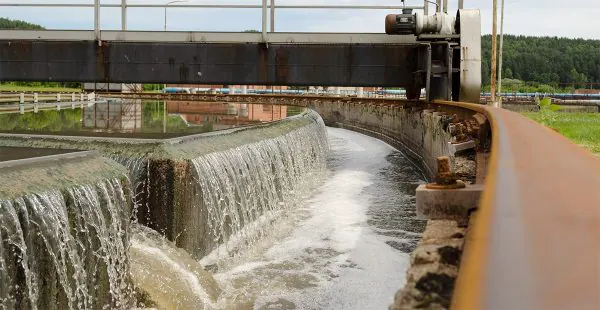
Algeria is reorienting its water policy to utilize treated wastewater as a valuable resource, particularly for agriculture and other high-consumption sectors. The country's Minister of Hydraulics, Lounès Bouzegza, recently convened a meeting with central administration officials to discuss this strategic shift. The goal is to boost treated wastewater volumes and diversify its uses, helping to alleviate pressure on conventional water resources.
Currently, Algeria operates 237 wastewater treatment systems, with 76 new systems under development. These additions are expected to increase the country's overall wastewater treatment capacity to 1.514 billion cubic meters per year, a 35% rise from current levels. This expansion will provide more opportunities for wastewater reuse, supporting sectors like agriculture.
During the meeting, Minister Bouzegza reviewed the status of existing installations, their operational efficiency, and the volumes of treated wastewater being recovered. The discussion also covered ongoing and new projects, focusing on identified shortcomings and measures to enhance infrastructure performance. Improving the efficiency of wastewater treatment plants is a central concern.
To achieve its objectives, the Algerian government emphasizes the need for regular monitoring of wastewater treatment plants and ensuring they operate under optimal conditions. Improving efficiency, completing ongoing projects, and launching new initiatives will help increase the volume of treated wastewater available for reuse. The quality of treated wastewater is also a priority.
Modernizing treatment processes and adopting tertiary treatment will enable broader reuse of treated wastewater, particularly in agricultural irrigation. Better coordination among stakeholders will help identify needs and develop new reuse opportunities. This multi-faceted approach aims to maximize the benefits of treated wastewater.
Algeria's strategy involves not only expanding wastewater treatment capacity but also enhancing the performance of existing plants. By doing so, the country hopes to make significant strides in wastewater recovery and reuse. The goal of recovering 60% of treated wastewater is ambitious, but necessary given the growing pressure on conventional water resources.
The successful implementation of this strategy will depend on effective coordination, investment in infrastructure, and a commitment to optimizing wastewater treatment and reuse. If achieved, Algeria's approach could serve as a model for other countries facing similar water management challenges. The country's efforts to harness treated wastewater as a valuable resource are set to continue.
Key points
- Algeria aims to recover 60% of its treated wastewater for reuse.