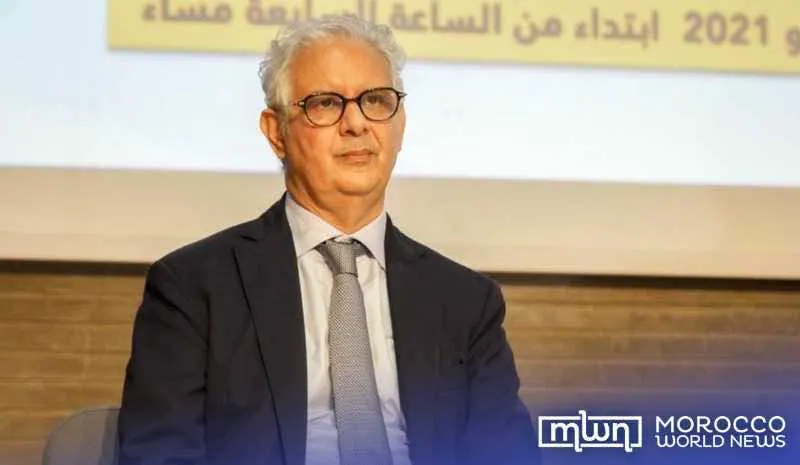
Al Istiqlal party leader Nizar Baraka has identified strengthening trust in institutions and public policies as a key challenge for Morocco's next government. He emphasized the importance of addressing this challenge alongside others, such as creating new opportunities for youth and achieving development that has a tangible impact on citizens. These challenges are particularly pressing given the current international, geopolitical, and geostrategic changes affecting Morocco's economy.
The Al Istiqlal party, which forms part of the current governing coalition alongside the Rally of Independents (RNI) and the Authenticity and Modernity Party (PAM), has been actively campaigning on several key issues. These include employment, purchasing power, and trust among youth. The party's slogan, "My Country, My Future," reflects its ambition to see Morocco succeed and develop as an emerging power. Baraka highlighted the party's commitment to ensuring that no young person remains outside the education and training system or is unemployed.
The Al Istiqlal party proposes providing support to facilitate youth integration into the labor market, allowing them to benefit from a second chance in education or vocational training. This initiative aims to address the significant challenge of unemployment, which has been a major concern for Morocco. The current government's track record on job creation has faced criticism, with the opposition party, the Justice and Development Party (PJD), accusing the government of being responsible for "many disasters," including high levels of unemployment.
According to the latest report from the High Commission for Planning (HCP), unemployment in Morocco declined during the second quarter of 2026. The number of unemployed people is estimated at more than 1.121 million, down by 132,000 compared with the first quarter. The decline is attributed to a reduction of 108,000 unemployed people in urban areas and 24,000 in rural areas. Women represented 33.3% of the unemployed population, while 79.3% of unemployed people resided in urban areas.
Education is another sector facing significant challenges, including high dropout rates. Education Minister Mohamed Saad Berrada reported that nearly 280,000 students abandon school annually, with 160,000 dropping out at the middle school level. These challenges are more pronounced in rural areas. To address purchasing power issues, Baraka proposed creating companies responsible for distributing essential food products, which would help lower prices by reducing the number of intermediaries.
The proposed companies would aim to lower prices rather than merely keeping them stable. This measure would be accompanied by increases in wages and the minimum wage, as well as a reduction in income tax. All parties competing in the ongoing elections have pledged to tackle similar challenges, including unemployment, purchasing power, healthcare, and education. The implementation of these reforms will be crucial in addressing the concerns of the population, particularly the youth.
With ballot polls set to open, parties are aware of the public's concerns about the future. The Al Istiqlal party's proposals and campaign promises reflect its commitment to addressing these challenges and improving the lives of Moroccan citizens. The party's focus on trust in institutions, job creation, and purchasing power resonates with the public's aspirations for a more stable and prosperous future.
Key points
- Strengthening trust in institutions is a main challenge for Morocco's next government.
- The Al Istiqlal party proposes creating companies to distribute essential food products and lower prices.
- Unemployment in Morocco declined during the second quarter of 2026, with 1.121 million people unemployed.