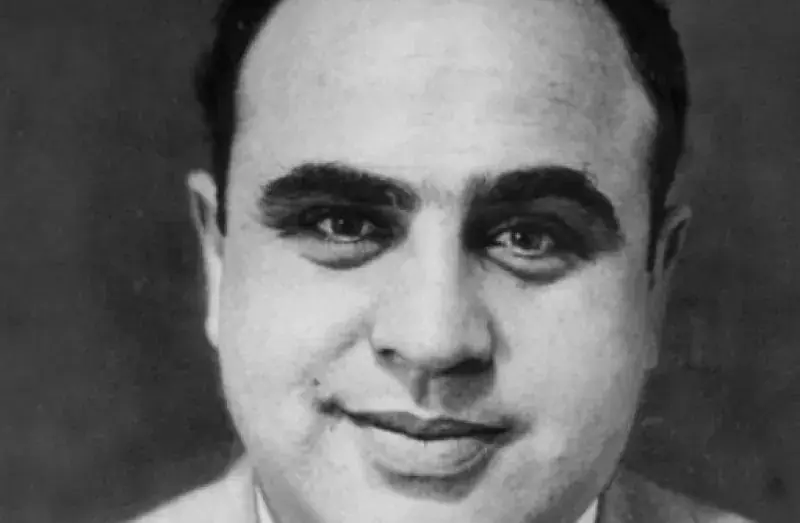
Alphonse Gabriel Capone, known as Al Capone, remains the most infamous American gangster, even seven decades after his death. Born in 1899, Capone rose to fame in the 1930s for his involvement in organized crime, particularly during the Prohibition era. His notorious reputation was fueled by sensationalized media coverage, which often portrayed him as a charismatic and cunning figure.
French newspapers, including L'Ère nouvelle and Le Journal, extensively covered Capone's activities, often with a complacent tone. In May 1930, L'Ère nouvelle published a portrait of Capone, describing him as a "famous gangster" with a distinctive scar on his cheek. The article highlighted his arrest in Florida, where he was charged with vagrancy, and his attempts to have the scar surgically removed to improve his public image.
The French media was fascinated by Capone's perceived impunity, with many publications criticizing the leniency of American law enforcement. L'Écho de Paris questioned the state of American justice, citing Capone's close ties to corrupt politicians, including Chicago's Mayor Bill Thompson. The article condemned the "outrecuidance and infirmity of the laws" that allowed Capone to operate with relative freedom.
Geo London, a journalist for Le Journal, secured an exclusive interview with Capone in September 1930, further cementing his notoriety. During the interview, Capone presented himself as a charming and affable individual, which contrasted with his reputation as a ruthless gangster. He discussed his business ventures, including his involvement in bootlegging, and dismissed allegations of involvement in several murders.
Capone's responses to London's questions revealed a calculating and shrewd individual who was aware of his public image. He laughed off accusations of murder, stating that he had "other things to do" than kill people, and that he was often asked to commit crimes on behalf of others. The interview provided a unique glimpse into Capone's personality and helped to fuel his legendary status.
The media frenzy surrounding Capone's activities highlights the public's fascination with organized crime during the Prohibition era. French newspapers played a significant role in shaping the public's perception of Capone, often portraying him as a larger-than-life figure. The sensationalized coverage of his crimes and exploits helped to cement his place in American folklore.
The legacy of Al Capone continues to captivate audiences, with his name remaining synonymous with organized crime. The media coverage of his activities in the 1930s, particularly in France, played a significant role in shaping his notorious reputation. Today, Capone remains an enduring figure in popular culture, symbolizing the excesses and violence of the Prohibition era.
Key points
- French media extensively covered Al Capone's activities during the 1930s, often with a complacent tone.