Akwa Ibom State has secured regulatory control of its electricity market, becoming the 17th state in Nigeria to do so. This development marks a major milestone in the state's efforts to overhaul the power sector and guarantee reliable electricity supply to households and businesses by 2034. The Nigerian Electricity Regulatory Commission (NERC) issued Order No. NERC/2026/087 on August 18, 2026, initiating the transfer of regulatory oversight to the Akwa Ibom State Electricity Regulatory Commission (AKSERC).
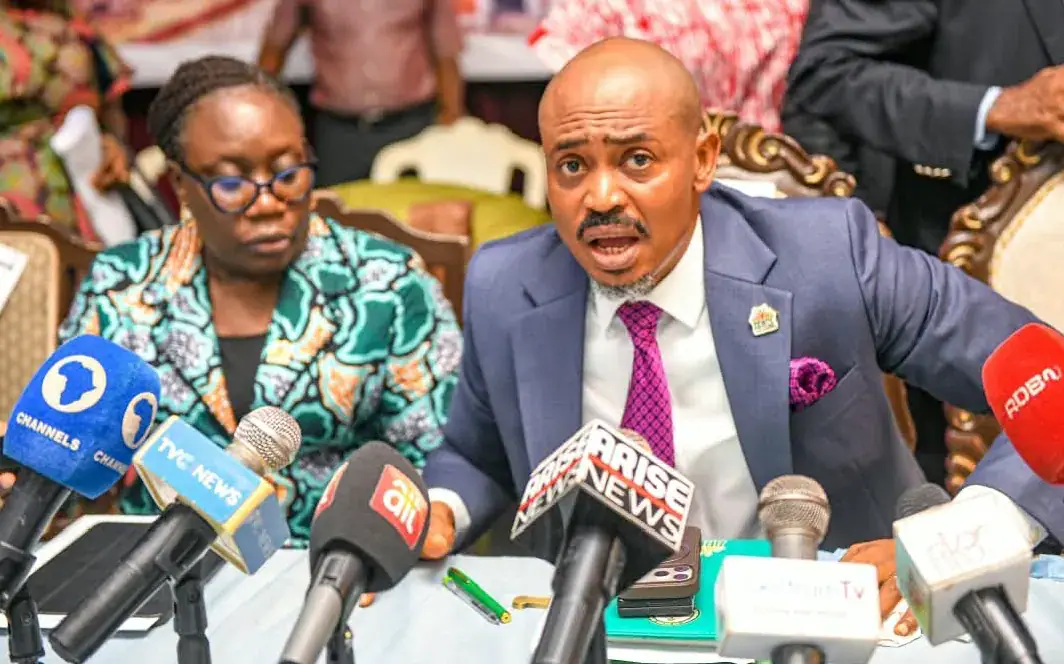
The Akwa Ibom State Commissioner for Power, Iniobong Robson, disclosed that the order requires Port Harcourt Electricity Distribution Company (PHED) to establish a subsidiary responsible for electricity distribution and supply within the state within 60 days. The transition is expected to be completed by February 17, 2027. Robson explained that the reform was designed to establish an independent state electricity market, attract private investment, rehabilitate the Ibom Power Company, and extend reliable electricity services to communities across the state's 31 local government areas.
The government has established Ibom Electricity Holding Limited (IEHL) to manage its investments in the electricity sector and regularise its shareholding in strategic assets, including Fourth Power Consulting Limited and PHED. The Commissioner stressed that the government had no intention of selling its investments in Ibom Power or relinquishing its equity interests in the electricity assets. Proposals from prospective private-sector partners for the rehabilitation and concession of Ibom Power and the proposed state distribution utility are being evaluated.
According to Robson, the proposed partnerships would provide the technical expertise and financing required to rehabilitate, operate, and expand the facilities without transferring ownership of the state's investments. The government plans to train young people in solar installation, operation, and maintenance to create employment opportunities and develop local expertise in the renewable energy sector. A solar home system programme is also proposed to provide alternative power solutions for households and small businesses in communities with inadequate grid access.
Governor Umo Eno has inaugurated the pioneer five-member board of AKSERC, chaired by Arit-Okon Uya. The operational framework for the Akwa Ibom State Electrification Agency has been completed and submitted for approval. The electrification agency will coordinate electricity projects in underserved towns and villages. Robson assured consumers that the transition to state regulation would not disrupt electricity supply, billing, or customer services, and that necessary changes would be communicated ahead of implementation.
The AKSERC Chairman, Arit-Okon Uya, said the commission is developing regulatory instruments to ensure accountability, enforce industry standards, and establish a financially sustainable electricity market capable of attracting investors. The electricity reforms are anchored on the Electricity Act 2023, the Akwa Ibom State Electricity Policy, and the Akwa Ibom State Electricity Law 2025, which empower the state to regulate its electricity market and license operators.
The government has set 2034 as the target for ensuring that every household in Akwa Ibom has access to quality and reliable electricity. The success of the electricity reforms should ultimately be measured by improved power supply to residents, businesses, and public institutions. Reliable power supply will strengthen businesses, create jobs, and accelerate economic development across the state.
Key points
- Akwa Ibom State targets 2034 to provide reliable electricity to all households and businesses.
- The state has become the 17th to secure NERC approval for independent regulation of its electricity market.
- The government plans to rehabilitate Ibom Power and extend electricity services to all 31 local government areas.