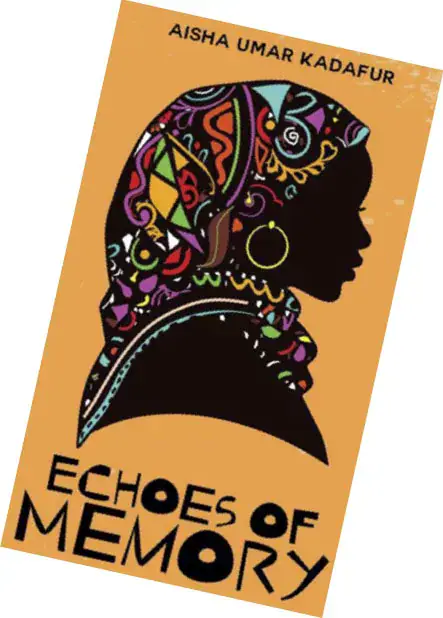
Aisha Umar Kadafur, a young law graduate, has published her debut poetry collection, Echoes of Memory, which explores themes of family, identity, mental health, and social justice. The collection comprises 20 poems that give voice to the unspoken and find strength in vulnerability. According to the book, it is "a heartfelt journey through emotion, reflection, and resilience." The author uses poetry as a medium for self-expression and advocacy, making the collection a personal reflection shared with the world.
The collection is divided into four major themes, including Family and Roots, Mental Health and Inner Struggles, Social Justice and Advocacy, and Love and Loss. Poems such as "My Father," "Dearest Parent," and "Arewa" reflect the importance of family values, cultural heritage, and Northern Nigerian identity. These poems suggest a strong connection to the author's roots and a sense of pride in her background. The themes are explored through titles of the poems, providing a clear structure to the collection.
The collection also explores Mental Health and Inner Struggles through poems such as "My Depression," "Unspoken," "Addiction," "Alone," and "I Am Fine." These poems address emotional distress, loneliness, personal struggles, and self-harm, making the collection relevant to discussions about mental health among young people in Arewa. The placement of "I Am Fine" after "The Language of Blades" is particularly thought-provoking, inviting readers to reflect on the difference between outward appearances and inner struggles.
Social Justice and Advocacy are also significant themes in the collection, with poems such as "My Voice," "Our Equal Future," "COVID-19: A Chronicle of Sorrow," and "Rape." These poems address gender equality, sexual violence, the impact of the COVID-19 pandemic, and the role of poetry in self-expression and advocacy. The collection highlights the potential of literature to raise awareness, challenge social silence, and encourage conversations about justice and the protection of vulnerable people.
The author demonstrates courage and authenticity by addressing sensitive subjects such as depression, addiction, and sexual violence. The themes of loneliness, emotional pain, and unspoken struggles may resonate with secondary school students and university undergraduates facing personal, social, and emotional challenges. The collection appears to extend beyond personal expression by engaging with broader social concerns, making it a purpose-driven expression.
However, the collection would benefit from further editorial refinement, including correcting errors in titles and organizing the poems into thematic sections. Possible sections include Part One: Home and Identity; Part Two: Pain and Reflection, and Part Three: Hope and Healing. Such an arrangement could help readers follow the emotional and thematic progression of the collection more clearly.
Echoes of Memory is a promising debut collection that prioritizes emotional honesty, personal reflection, and social awareness. Aisha Umar Kadafur demonstrates promise as a young writer whose work engages with important personal and societal issues. The collection may particularly appeal to students and young people, especially girls in northern Nigeria, by encouraging conversations about mental health, identity, resilience, and the importance of expressing one's feelings.
Key points
- The collection explores four major themes: Family and Roots, Mental Health and Inner Struggles, Social Justice and Advocacy, and Love and Loss.
- The author's courage and authenticity in addressing sensitive subjects make the collection a significant contribution to contemporary literature.
- The collection offers a promising literary voice from Arewa and deserves consideration for wider readership and discussion.