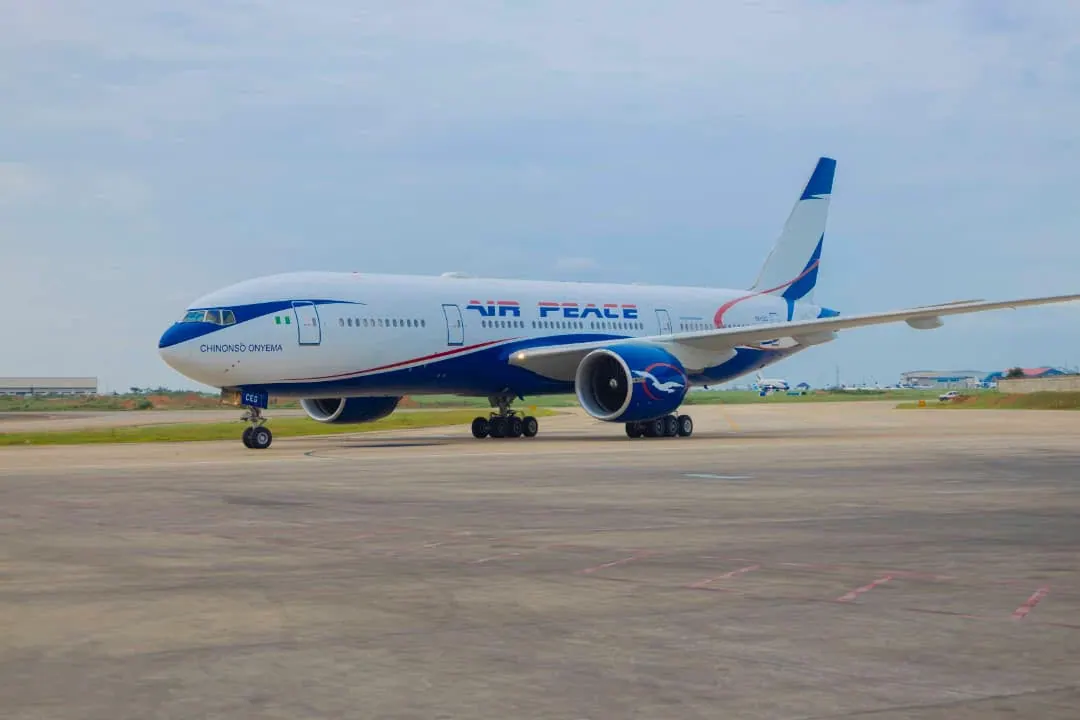
Air Peace Limited has explained that the recent flight disruptions at the Nnamdi Azikiwe International Airport in Abuja were caused by a combination of factors, including a shortage of Jet A1 aviation fuel and operational limitations due to prevailing visual flight rules conditions and sunset restrictions. According to the airline, the initial disruption was caused by the unavailability of Jet A1 fuel, which affected not only Air Peace but also other airlines operating from the airport.
The airline stated that flight operations resumed after Jet A1 fuel became available, and affected flights commenced operations accordingly. However, the Abuja-Maiduguri service could not operate as scheduled despite an initial extension granted for the flight. This was due to the prevailing visual flight rules conditions, which meant that the operational extension could no longer be sustained as the flight could not continue beyond sunset.
As a result of the cancellation, Air Peace provided affected passengers with hotel accommodation and made arrangements to operate the Abuja-Maiduguri service the following day. The airline maintained communication with affected passengers throughout the disruption, informing them of the delays and providing refreshments while efforts were made to resolve the operational constraints.
Air Peace's explanation highlights two distinct operational constraints that led to the disruption: the initial availability of Jet A1 fuel and the subsequent interaction between prevailing visual flight rules conditions and the sunset limitation applicable to the affected flight. The airline expressed regret over the inconvenience caused to passengers and emphasized that safety considerations remained paramount in its operational decisions.
The airline's management stated that it prioritizes the safety and wellbeing of passengers across its operations. Throughout the disruption, passengers were duly informed of the delays and provided with refreshments. Hotel accommodation was provided after the cancellation, and arrangements were made to operate the flight the following day.
The incident occurred on September 27, 2026, and Air Peace's Abuja operations were affected. The airline's statement was issued by its management, and it assured passengers that it would continue to prioritize their safety and wellbeing. The airline's operations were disrupted due to factors beyond its control, and it took steps to mitigate the effects on passengers.
The disruptions at the Nnamdi Azikiwe International Airport in Abuja are a reminder of the complexities of airline operations and the need for contingency planning. Air Peace's experience highlights the importance of effective communication with passengers during disruptions and the need for airlines to prioritize safety above all else. The incident has also underscored the challenges faced by airlines in Nigeria, including the availability of Jet A1 fuel.
Key points
- Air Peace cites Jet A1 shortage and VFR conditions for Abuja flight disruptions
- Airline provides hotel accommodation and refreshments to affected passengers
- Safety considerations remain paramount in Air Peace's operational decisions