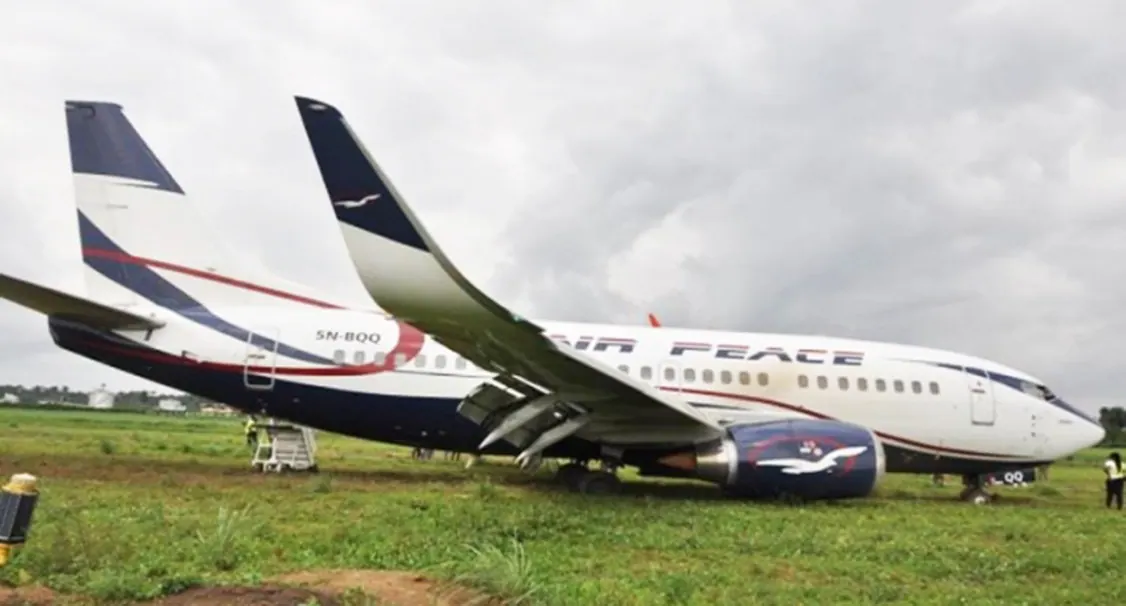
Air Peace, a Nigerian airline, has attributed recent flight disruptions at the Nnamdi Azikiwe International Airport in Abuja to a shortage of Jet A1 aviation fuel and adverse weather conditions. The disruptions affected the airline's operations, causing inconvenience to passengers. According to the airline, the initial delays to its Abuja operations were caused by the unavailability of Jet A1 aviation fuel, which affected not only Air Peace but also other airlines operating from the airport.
The airline issued a statement explaining the cause of the disruptions after reports and videos circulating on social media showed passengers expressing concerns. Air Peace stated that upon the availability of fuel, its affected flights commenced operations accordingly. However, the airline's Abuja-Maiduguri service could not operate as planned due to the unavailability of fuel and subsequent weather conditions.
Air Peace explained that an extension had initially been granted for the Abuja-Maiduguri flight, but by the time the aircraft was ready for boarding, prevailing Visual Flight Rules (VFR) conditions meant that the extension was no longer viable. The flight could not operate beyond sunset, leading to its cancellation. The airline apologized to passengers affected by the disruptions and appreciated their patience and understanding.
Following the cancellation of the flight, Air Peace provided affected passengers with hotel accommodation and made arrangements to operate the service the following day. The airline prioritizes safety considerations in its operations and assured passengers that it would continue to do so. The disruptions highlight the challenges faced by airlines operating in Nigeria, including fuel shortages and weather conditions.
The incident occurred at the Nnamdi Azikiwe International Airport in Abuja, one of Nigeria's major airports. Air Peace is a significant player in Nigeria's aviation industry, offering flights to various domestic and international destinations. The airline's operations were disrupted due to factors beyond its control, according to the statement.
The airline industry in Nigeria faces several challenges, including fuel shortages, infrastructure deficiencies, and weather conditions. Air Peace's experience highlights the need for airlines to prioritize safety and contingency planning to minimize disruptions. The airline's response to the disruptions, including providing accommodation to affected passengers, demonstrates its commitment to customer satisfaction.
Air Peace's statement did not provide further details on the fuel shortage or the measures being taken to prevent similar disruptions in the future. The airline's operations are expected to continue, with a focus on safety and reliability. Passengers affected by the disruptions have been accommodated, and the airline is working to maintain its schedule.
Key points
- Air Peace blames fuel shortage and weather conditions for recent flight disruptions at Abuja's Nnamdi Azikiwe International Airport.
- The airline provided affected passengers with hotel accommodation and operated the service the following day.
- The disruptions highlight the challenges faced by airlines operating in Nigeria, including fuel shortages and weather conditions.